
 +86 14769960951
RICHI MACHINERY
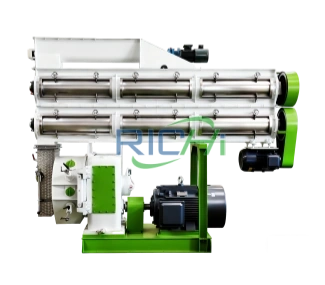
Fish Feed Pellet Making Machine
The fish feed pellet making machine produces feed with high water resistance, meeting the nutritional needs of freshwater fish, bottom-dwelling fish, shrimp, crabs, and other aquatic species. With a production capacity ranging from 0.6-30 T/H, it provides high-quality production services for aquaculture farms, aquatic feed plants, and other facilities. In addition, we offer customized machines and complete production line solutions.
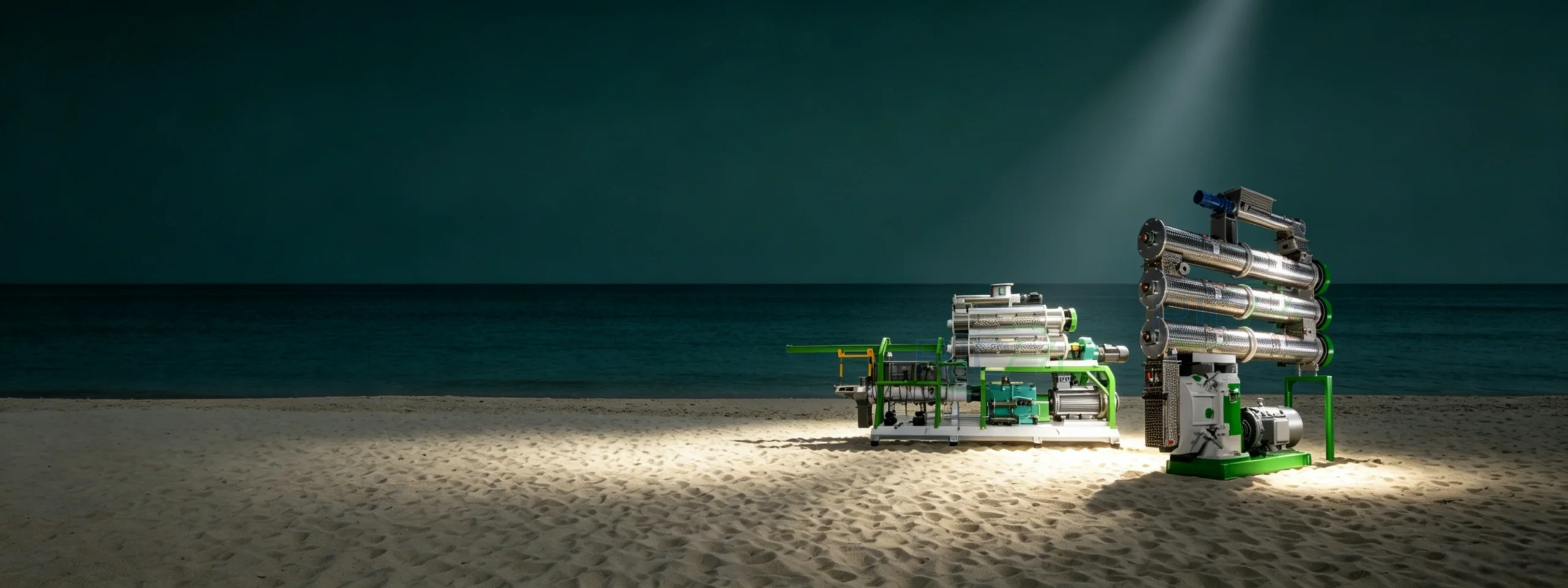

High-Quality fish Feed Processing
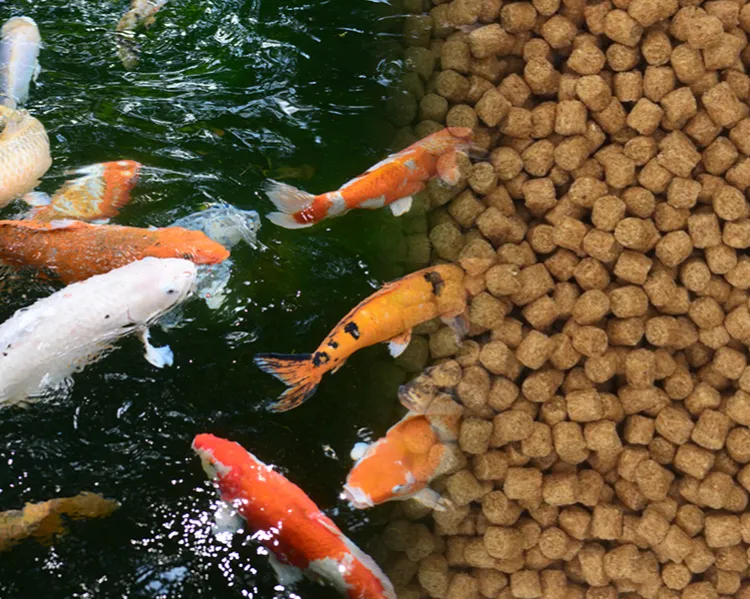
Our fish feed pellet making machine is equipped with a 2-3-layer conditioner. Through high-temperature conditioning, it ensures thorough starch gelatinization and provides a sterilizing effect, thereby promoting digestion and nutrient absorption in fish. Additionally, this extrusion process does not destroy the crude protein in the raw materials. Pelleted feed ensures a balanced nutritional profile for fish and optimizes feeding performance.
The feed produced by this machine has a stable structure and high water resistance, helping to prevent water pollution. This equipment can meet the feeding needs of most bottom-feeding fish, shrimp, and crabs. We also offer fish feed extruders capable of producing floating, sinking, and slow-sinking fish feeds with various formulations.
This pellet mill provides aquatic feed pellet plants with production services that deliver a high return on investment. It also helps fish farms reduce costs and ensures a stable feed supply. Please feel free to contact us for a free consultation.
Types of fish feed machine for sale
There are two main types of core equipment used in fish feed processing: fish pellet making machine and fish feed extruder. They employ different production processes and are suitable for various production needs and applications. This page focuses on pelletizers. You can click the button below the equipment to learn more.

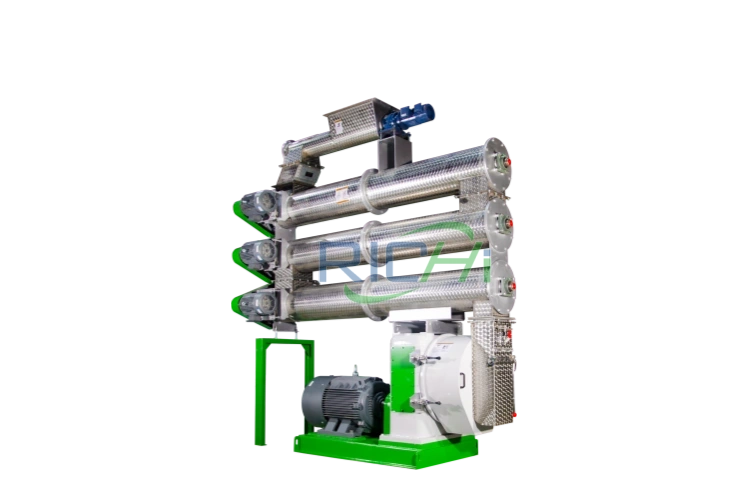
fish feed pellet making machine
Its pelletizing process involves high-temperature steam conditioning and mechanical compression. The device is easy to operate and has low production costs, making it an economical and practical choice. The resulting pellets exhibit good stability in water and can remain intact for several hours. These feeds are suitable for fish in the middle and lower water layers, such as carp, crucian carp, and grass carp.
Production Capacity: 0.6-30 T/H
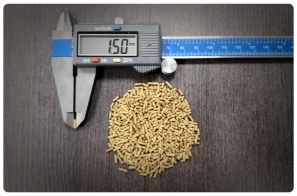
Pellet Diameter: 1-6 mm
fish feed pellet extruder machine
This category is divided into floating fish feed extruder machines and sinking fish feed extruder machines. Using high temperature and high pressure, they transform powdered raw materials into nutritionally balanced feed pellets with excellent water resistance. They can produce feed for fish such as bass, trout, catfish, and ornamental fish, while also capable of producing high-quality sinking feed and slow-sinking feed.
Production Capacity: 0.2–12 T/H
Pellet Diameter: 0.6–12 mm
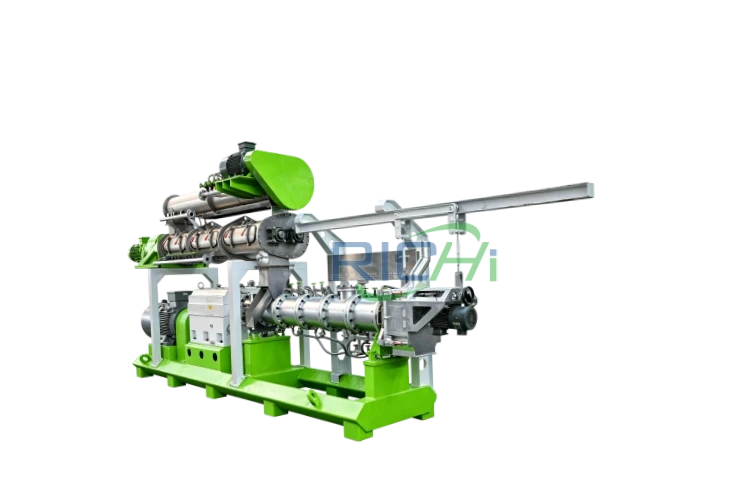
woking Video Of fish feed pellet production machine
The following demonstrates the operational performance of fish feed pelletizer machines in actual projects. Aside from differences in structure and production capacity, they all deliver highly efficient and energy-saving performance. In actual projects, equipment configuration will be determined by production objectives and specific conditions. Please feel free to share your production needs.
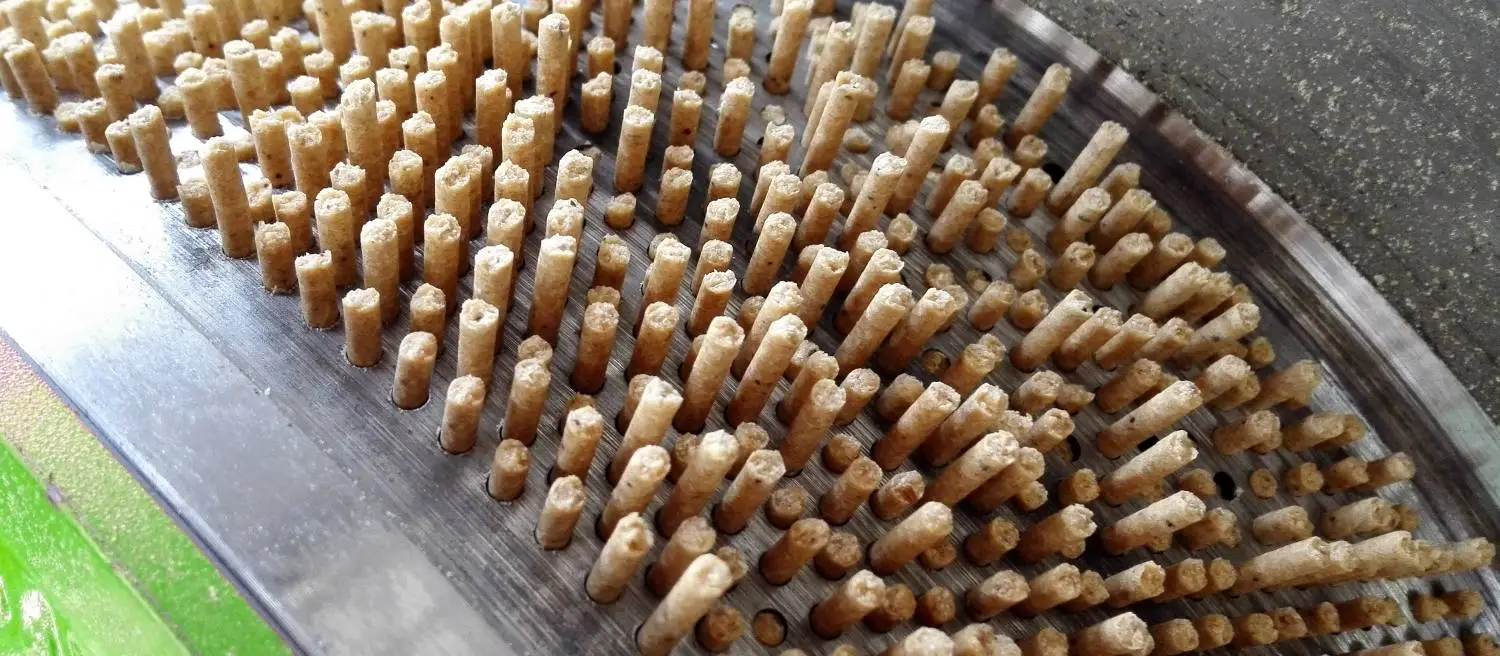
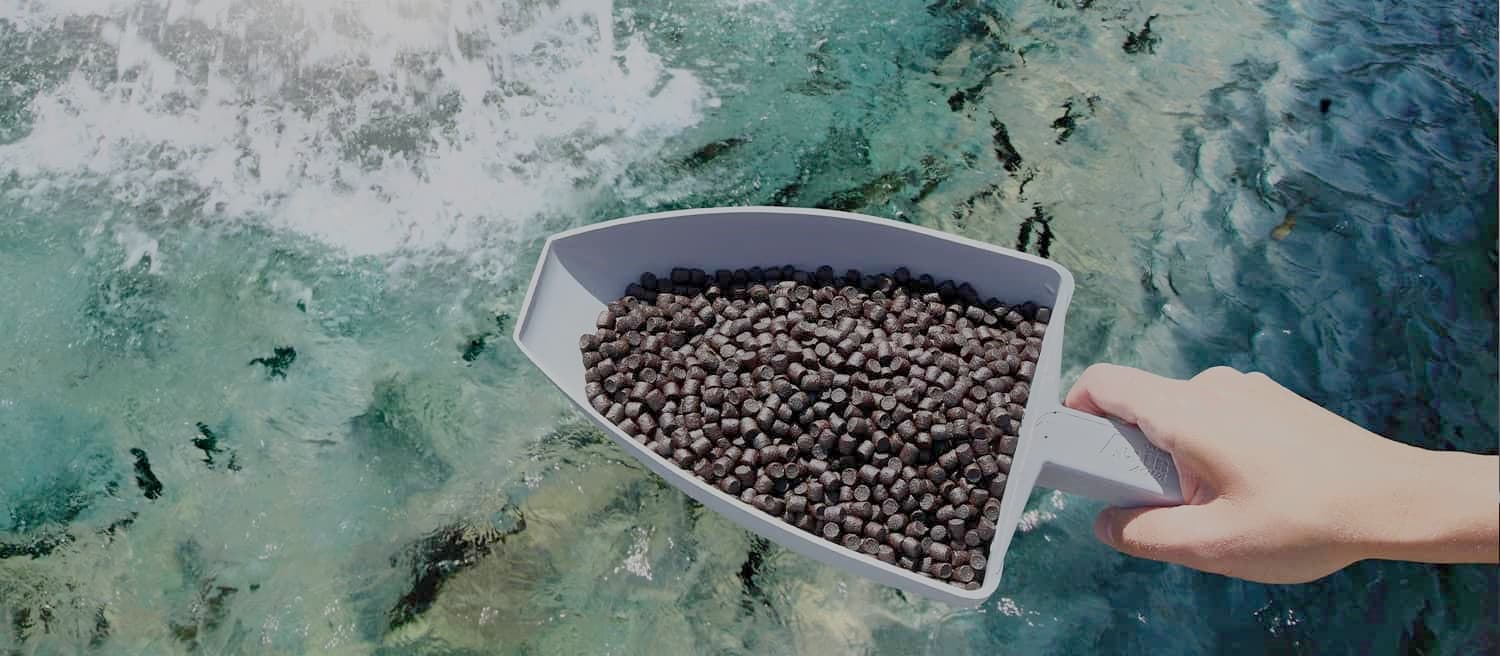
Fish Feed pellet making Machine Capacity Options
Below are the specifications for various models of fish feed pellet machine. It allows for the configuration of ring dies of different sizes and the adjustment of the cutting device. This enables the production of feed pellets in various sizes to suit the feeding habits of different fishes. As RICHI’s technology continues to advance, these specifications will be continuously updated. Please feel free to contact us with your production requirements.
| Model | SZLH250 | SZLH320 | SZLH350 | SZLH420 | SZLH508 | SZLH558 | SZLH678 | SZLH768 |
| Main Motor Power (kW) | 22 | 37 | 55 | 110 | 160 | 185 | 250 | 315 |
| Feeder Power (kW) | 1.1 | 1.5 | 1.5 | 1.5 | 1.5 | 1.5 | 1.5 | 2.2 |
| Conditioner Power (kW) | 1.5 | 4 | 4 | 7.5 | 7.5 | 11 | 11 | 11 |
| Ring Die Inner Diameter (mm) | 250 | 320 | 350 | 420 | 508 | 558 | 673 | 762 |
| Final Pellet Diameter (mm) | 1-6 | |||||||
| Capacity (T/H) | 0.6-1.4 | 1.8-2.8 | 3-5 | 4.8-8.5 | 6-12.5 | 9-17.5 | 12-21 | 15-28 |
fish pellet making machine Structure Overview
The following primarily showcases the key components of the fish feed pellet making machine. Each pelletizer is equipped with a Siemens motor and high-strength bearings to ensure stable and continuous operation. Please feel free to contact us at any time for detailed equipment information.
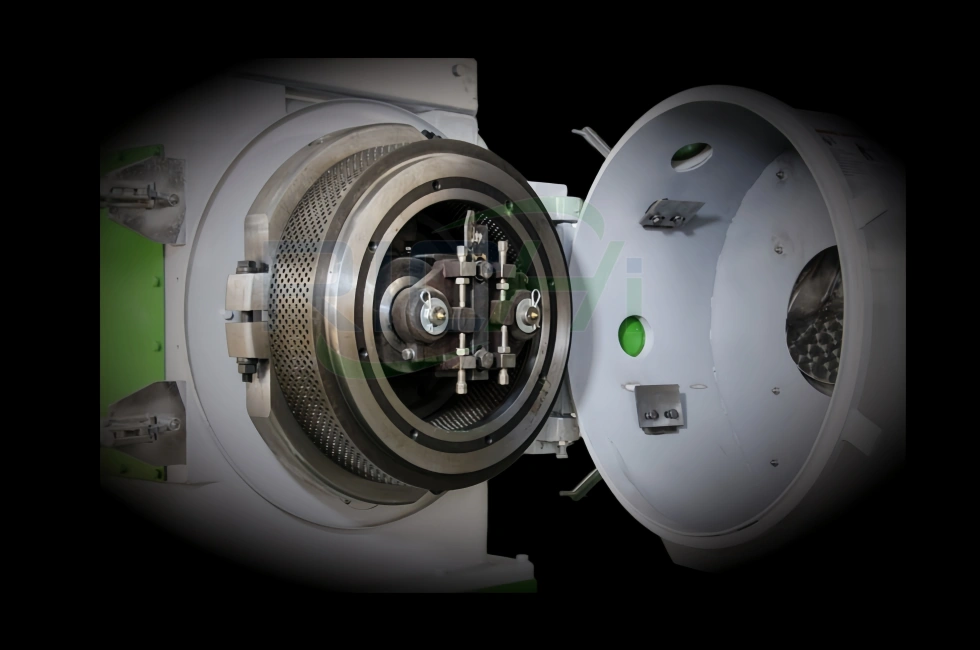
Pelletizing Chamber Structure
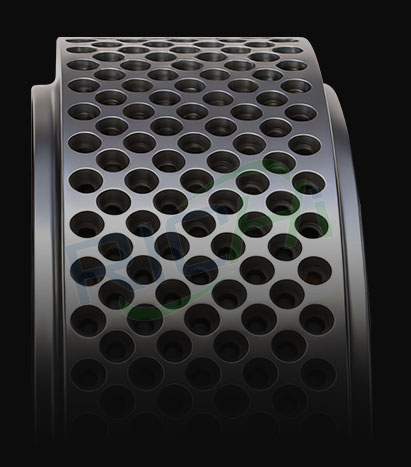
Ring die
The ring die is made of a highly wear-resistant alloy, making it more durable. The optimal arrangement of the die holes increases output per unit. The clamp-style installation makes it easy to disassemble.
Double rollers
The dual-roll structure generates a more powerful compression effect, thereby significantly improving the feed formation rate. The roll shells are also made of alloy materials, making them more durable.
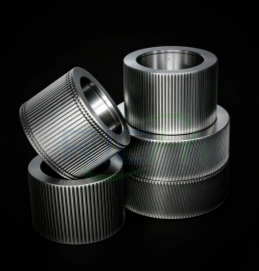
conditioner
The three-layer conditioner enhances the conditioning of the fish feed. Combined with high-temperature sterilization, it ensures the feed is clean and promotes better digestion and absorption.
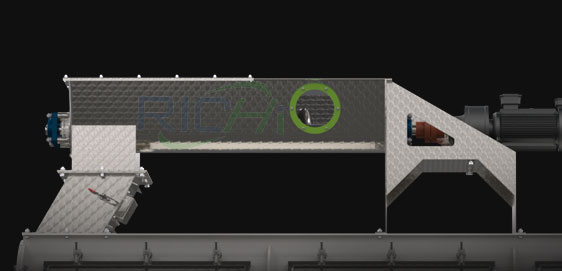
feed inlet
It is equipped with a variable-frequency motor and an overload protection device. It controls the feeding speed, thereby optimizing production scheduling and improving production efficiency.
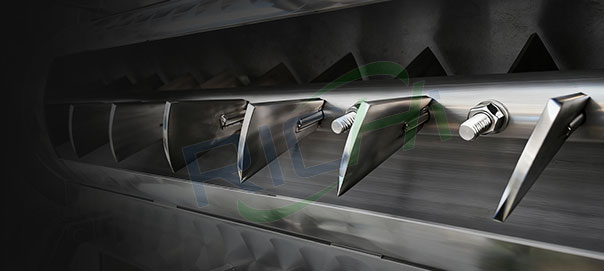
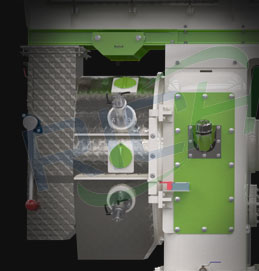
Cutter adjusting handle
There are two cutting blades and adjustment handles. By using the handles, you can adjust the distance between the cutting blades and the ring die, thereby producing fish feed pellets of different lengths.
Applicable raw materials
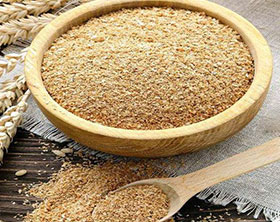
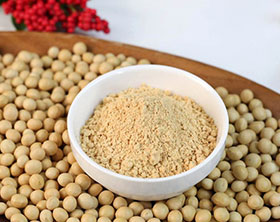
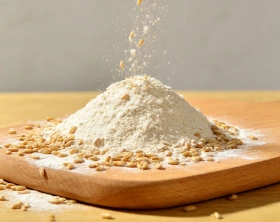
With its powerful conditioning and pelletizing systems, this fish feed pellet making machine can process a wide variety of raw materials. The following are common types of fish feed ingredients. Our equipment can be adapted to different feed formulations to produce highly palatable fish feed pellets.

Rice Bran

Corn Meal
Wheat Bran
Soybean Meal
Wheat Flour
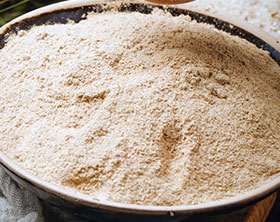
Peanut Meal
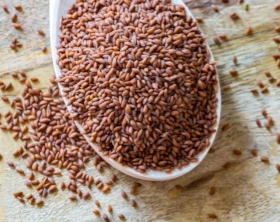
Rapeseed Meal
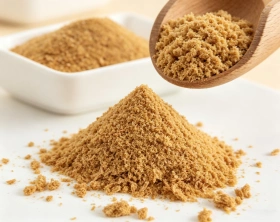
Fish Meal
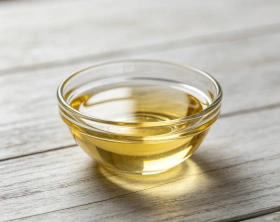
Fish Oil
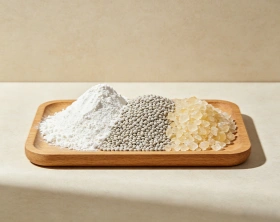
Vitamin & Mineral Premix
fish Feed Pellet Production Line
We offer a complete set of equipment for fish feed production line. These lines can be configured for various feed production processes, including pelletizing and extrusion. The capacity of pelletizing lines ranges from 0.6 to 30 T/H and above, while extrusion lines can accommodate capacities from 0.2 to 10 T/H and above. We provide customized process flows and turnkey project services.
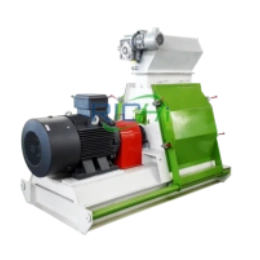
Crush raw materials to a size of 3–5 mm to facilitate pelletization and digestion.
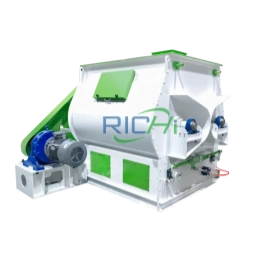
The raw materials are mixed evenly to ensure the nutritional value of each pellet.
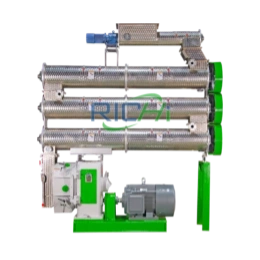
Use a ring die pelletizer to condition and extrude the raw materials into pellets.
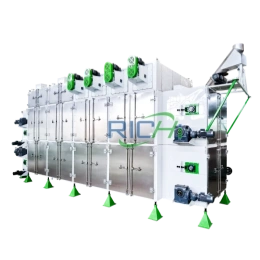
A belt dryer machine uses hot air to reduce the moisture content of the feed to about 13%.
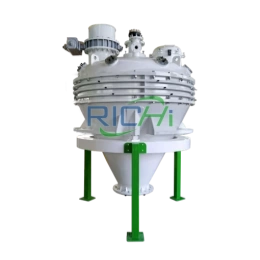
Liquid nutrients are sprayed onto the feed to enhance its nutritional value and palatability.
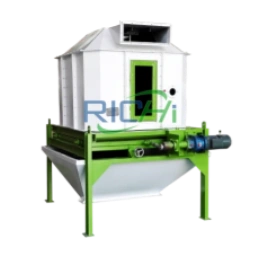
Gently cool and set the fish feed pellets; can be paired with a screening machine.
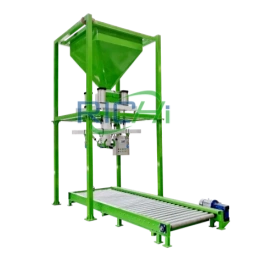
Automated weighing and packing of feed; packaging options are available.
Advantages of fish feed pellets
●
High Water Resistance
Thanks to the powerful extrusion effect of the pelletizer and a scientifically designed auxiliary system, the produced pellet feed features a stable structure and superior water resistance. This significantly extends the feeding window for shrimp and reduces waste.
●
High Digestibility and Absorption
Based on the species, growth stage, and farming model of different fish, all essential nutrients such as protein, fat, carbohydrates, vitamins, and minerals have been scientifically proportioned. This ensures healthy and rapid growth of the fish population.
●
Wide Range of Applications
By adjusting formulations and process parameters, fish feed pellet making machine can produce feed with different sizes to meet the feeding requirements of diverse aquatic species including fish, shrimp, and crabs, which has a broader application scope.
●
High Palatability
High temperature and high pressure environments effectively eliminate harmful substances, such as pathogenic bacteria and parasites in raw materials, which greatly enhances the safety of fish feed and reduces the risk of disease transmission.
●
Uniform Pellet Size
The pellet mill’s ring die is scientifically designed to produce feed pellets with uniform diameters. A dual-set cutting mechanism ensures the pellets are the appropriate length. These pellet specifications can be flexibly adjusted to suit the feeding habits of fish.
●
Reduced Water Pollution
The extruded feed exhibits excellent stability in water, which can maintain its shape for a long time. This has greatly reduced pollution of the water body caused by uneaten feed and fish feces, which maintains a good aquaculture water environment.
Global Cases
Fish feed pellet making machine is a key piece of production equipment for aquafeed plants, and it also provides convenience for aquaculture farmers. Below are some actual projects involving this equipment. We have tailored different production solutions to meet the specific needs of various customers. Please feel free to contact us at any time for more information.

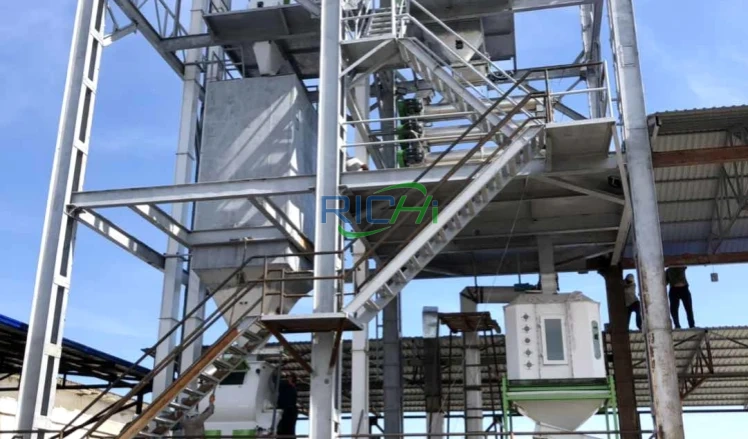
Uzbekistan
5 T/H Fish Feed Pellet Mill for Sale in Uzbekistan
This project provides a stable production line solution for a large-scale fish farm. The client needs to produce fish feed for carp, grass carp, catfish, and other species. The goal is to reduce farming costs and increase profits. We provided equipment such as crusher, pellet machine, and mixer to ensure a reliable supply of feed.

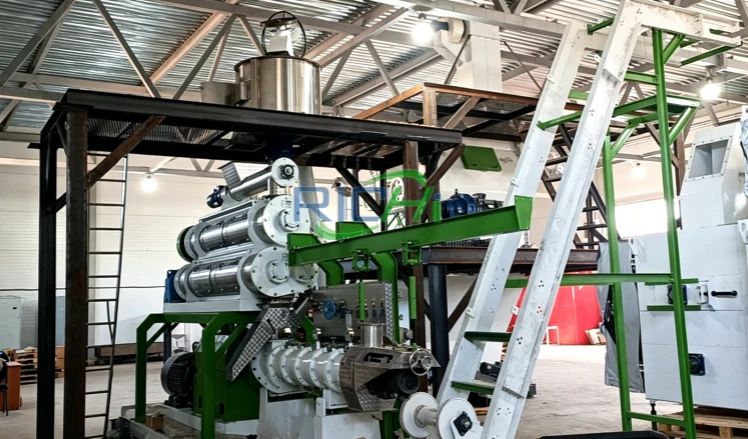
Nigeria
2 T/H fish feed pellet machine for Sale in Nigeria
This project provides catfish feed production equipment for a small-scale aquaculture farm. The raw materials used include corn flour, soybean meal, and fish meal. The equipment produces pellets with a diameter of 4–6 mm. It is also designed to withstand Nigeria’s hot and humid climate as well as unstable grid voltage.
• Algeria
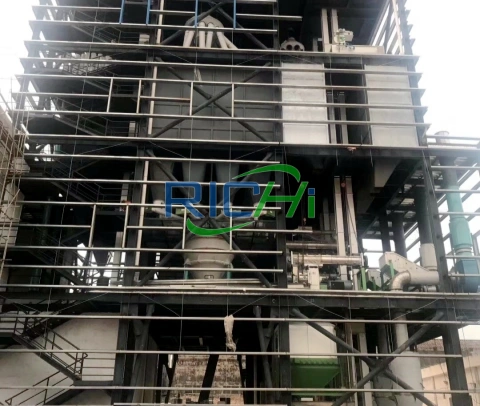
10 T/H Fish Feed machine for Sale in Algeria
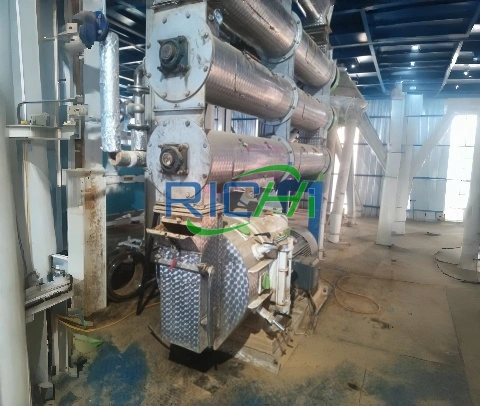
This is a turnkey solution for a large feed plant. We provided the client with end-to-end services, ranging from design and equipment customization to on-site installation and project acceptance. The plant produces high-quality feed for tilapia, carp, and catfish, with pellet diameters ranging from 2 to 8 mm.
• Russia
3-4 T/H fish feed pellet making machine for Sale in Russia
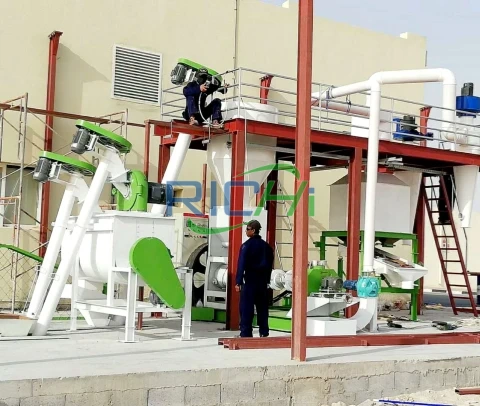
The customer needs to produce high-end aquaculture feed with a diameter of 6 mm, suitable for salmon, trout, and sturgeon farming. The raw materials include high-protein fish meal, soy protein, and fish oil. The pellet mill’s powerful performance effectively meets the customer’s pellet production needs.
• Bangladesh
1-2 T/H fish pellet machine for Sale in Bangladesh
The customer requires a flexible, cost-effective pellet extruder machine. This solution produces sinking feed with a diameter of 2–5 mm to meet the nutritional needs of crucian carp, common carp, and tilapia. The raw materials used contain a large amount of rice by-products, making them suitable for sinking feed production.
Other Types of feed machines
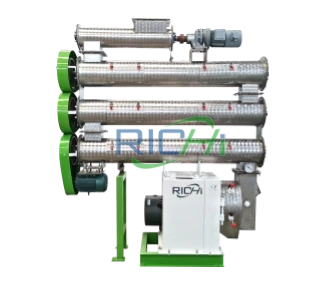
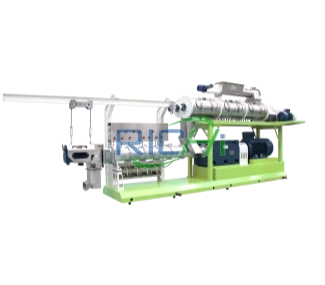
As a professional supplier of pelletizing equipment, we offer a wide range of feed machines to meet the nutritional needs of various animals. These also include high-quality extruders for aquaculture feed. Below are some common models that offer the same high production capacity as the fish feed pellet making machine.
shrimp Feed Pellet Machine
Single screw extruder machine
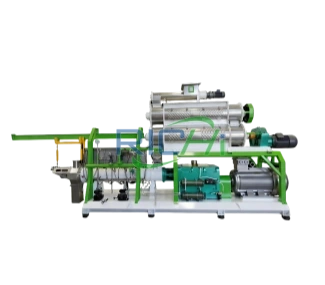
twin screw extrusion machine
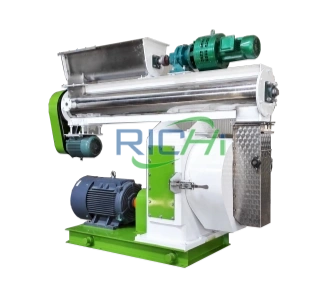
Chicken Feed Pellet Making Machine
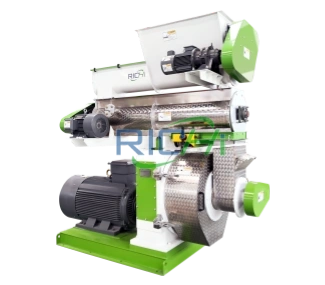
Cattle Feed pellet machine
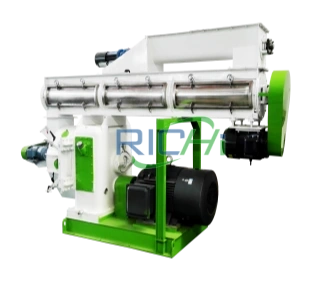
Goat Feed Pellet Making Machine
Rabbit Pellet Making Machine
Why Choose RICHI Machinery?
A Professional and Leading Manufacturer
Since 1995, RICHI Machinery has focused on the feed machinery manufacturing sector, evolving into an international enterprise integrating research, development, production, sales, and service. Over the past three decades, we have accumulated extensive industry experience, with a service network spanning 140+ countries and regions worldwide.
Our products are exported to premium markets across the Middle East, South America, Africa, Southeast Asia, and Europe, and have earned widespread trust and high praise from customers globally. We understand that every piece of equipment is central to our customers’ production systems.
From initial consultation to final production launch, RICHI provides a one-stop, end-to-end, standardized project service system that saves you time and effort throughout the process, ensuring the smooth implementation and stable operation of your pelletizing project.
Customized Solutions

We will discuss with you to gain a detailed understanding of your raw material characteristics, production objectives, and budgetary constraints. Based on this foundation, we will tailor the most suitable solution specifically for your needs.
Complete Turnkey Project

A one-stop solution covering factory layout planning, on-site construction, export customs clearance, end-to-end logistics, safe delivery, equipment installation, commissioning, operator training, and after-sales service.
After-Sales Support

We offer a one-year warranty on the fish feed pellet making machine, genuine spare parts, technical guidance, and lifetime upgrades and maintenance. RICHI’s experienced engineers ensure your long-term, stable production.
Frequently Asked Questions
We offer free consultation services for all production solutions. If you have any questions about this fish feed pellet making machine, please feel free to contact us at any time. We will provide you with the most reasonable fish feed pellet machine price based on your production plan.
–
What are the benefits of using a fish feed pelletizer?
Fish feed offers many advantages over traditional feeding methods. These benefits are not only reflected in aquaculture outcomes but also are critical to economic efficiency and environmental protection.
Nutritious and balanced
Based on the species, growth stage, and farming model of different fish, all essential nutrients such as protein, fat, carbohydrates, vitamins, and minerals have been scientifically proportioned. This prevents nutritional deficiencies that may exist in traditional feed, and ensures healthy and rapid growth of the fish population.
Wide Range of Applications
RICHI fish pellet machine can produce both floating and sinking feed. By adjusting formulations and process parameters, it flexibly produces feed with varying buoyancy characteristics to meet the feeding requirements of diverse aquatic species including fish, shrimp, and crabs, which has a broader application scope.
High safety
High temperature and high pressure environments effectively eliminate harmful substances such as pathogenic bacteria and parasites in raw materials, which greatly enhances the safety of fish feed and reduces the risk of disease transmission.
Reduction of water pollution
Modern fish feed especially extruded feed exhibits excellent stability in water, which can maintain its shape for a long time. This has greatly reduced pollution of the water body caused by uneaten feed and fish feces, which maintains a good aquaculture water environment.
–
What are the differences between floating, slow-sinking, and sinking fish feeds?
The most fundamental difference lies in the density and expansion level of the pellets. The lower the density and the higher the expansion level, the better the feed floats. Therefore, they can meet the feeding needs of different fish species.
Floating fish feed can remain on the water’s surface for an extended period, making it easier to observe fish feeding behavior and reducing waste. It is suitable for fish that live in shallow water and are accustomed to feeding at the surface, such as tilapia and carp.
Slow-sinking fish feed sinks slowly through the water. This allows it to meet the feeding needs of fish in different water layers, achieving optimal feeding results. It is particularly suitable for fish that inhabit the middle water column, such as rainbow trout and salmon.
Sinking fish feed pellets have a higher density. They sink rapidly to the bottom to meet the feeding needs of bottom-dwelling fish such as catfish. These pellets have good water resistance, ensuring more efficient feeding for the fish.
–
What types of aquaculture feed can this fish feed pellet making machine produce?
Our pelletizer is industrial-grade equipment capable of producing most types of sinking feed. The feed it produces meets the nutritional needs of carp, crucian carp, catfish, tilapia, grass carp, and other species. Additionally, its excellent sinking properties and variety of pellet sizes make it suitable for feeding shrimp and crabs.
The pellet machine is the foundational equipment for aquafeed production. If you need to produce floating fish feed, high-quality sinking feed, or slow-sinking feed, we can provide a floating fish feed pellet machine. Using screw extrusion, it can accommodate a wider range of more complex feed formulations.
–
How long can pelleted fish feed remain intact in water?
This equipment uses a dual-roll system, which provides a more powerful extrusion effect on the feed. This results in high-density feed pellets. They have a stable structure and can remain intact in water for 2–6 hours without disintegrating.
The shrimp feed making machine operates stably, safely, and reliably, all interfaces are sanitary and sealed, the failure rate is low, and the working time of the ring molding roller is long. The high degree of automation and convenient maintenance.

