
 +86 14769960951
1.5-2.0 T/H
Floating Fish Feed Plant
This 1.5–2.0 T/H floating fish feed plant solution is suitable for large-scale fish farms and regional fish feed manufacturers. The solution offers flexible process configuration, customized equipment, and turnkey services. It features low capital costs and supports the flexible production of a wide variety of feeds.
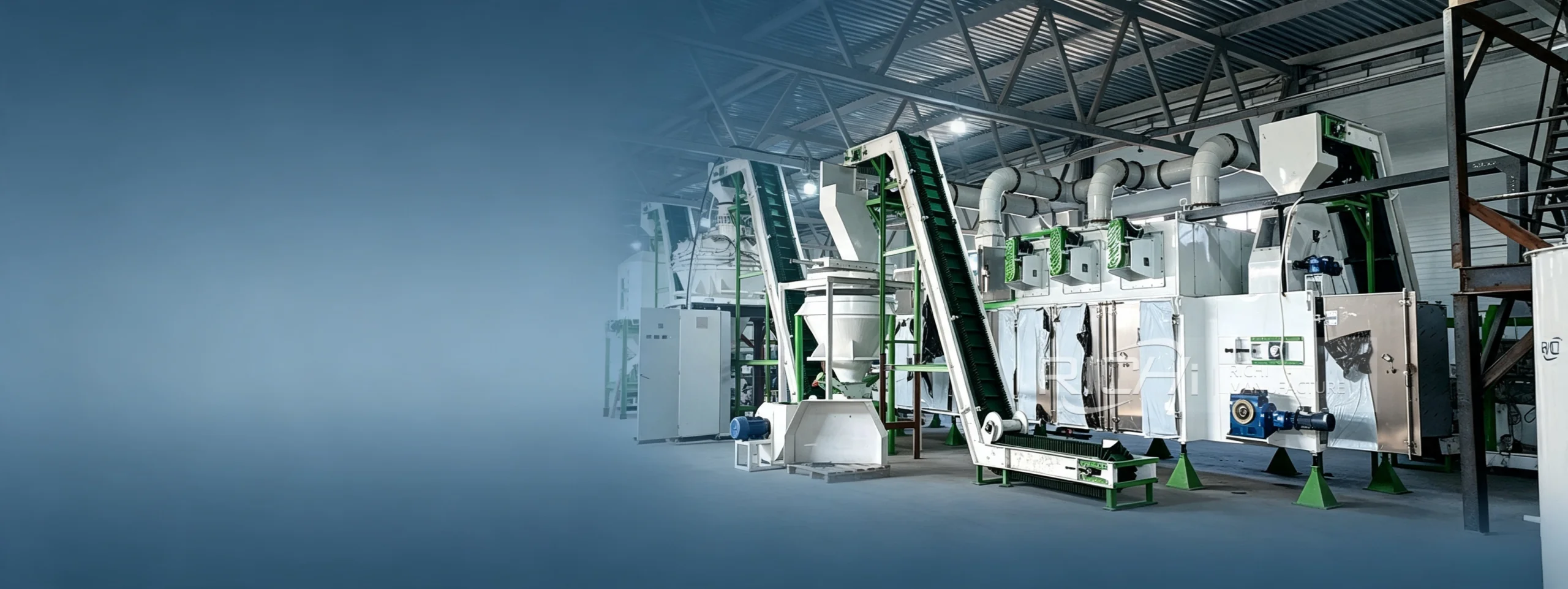
Customize Your Floating Fish Feed Plant Solution
This solution has already successfully provided production services to customers in Russia, Indonesia, Bangladesh, Iraq, and other regions. Based on actual production capacity, this solution typically allows for some room for future upgrades. The system is designed for durability and helps avoid certain redundant investments.
We can configure a twin screw fish feed extruder for you to produce expanded feed. Alternatively, we can include a pelletizer to accommodate the production of sinking feed, shrimp feed, and other animal feeds. By changing the die, you can produce feed pellets with diameters ranging from 0.5 to 10 mm or larger.
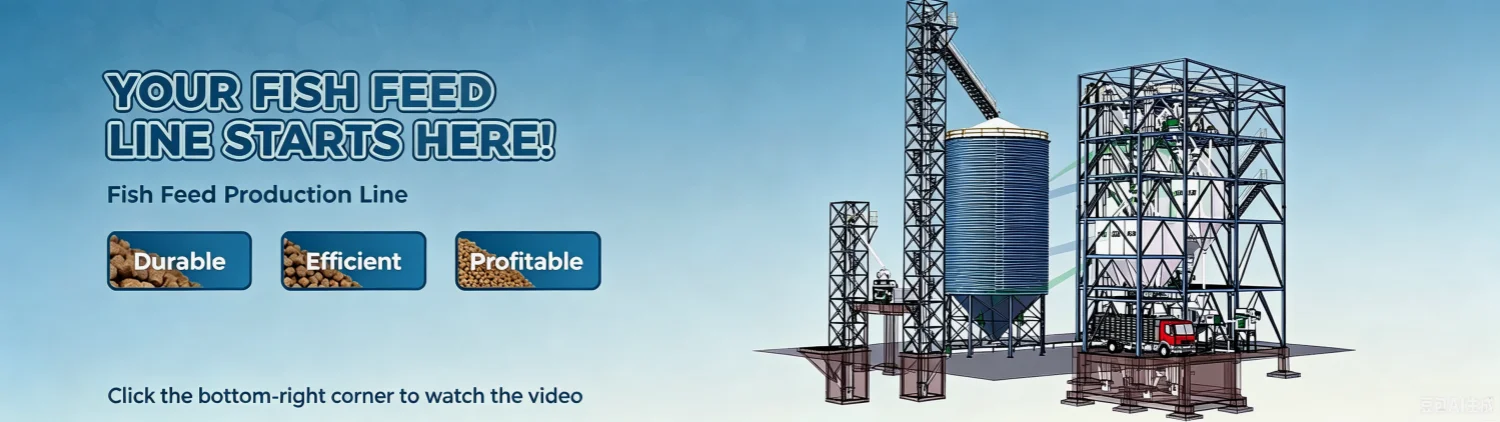

Process Flow
We offer customized processes and flexible equipment configurations, including extrusion processes or a combination of extrusion and pelletizing.

Suitable Raw Materials
You can use raw materials for floating fish feed, such as fish meal, soybean meal, corn, wheat, rice bran, and fish oil, and adjust the formulation as needed.

Feed Type
It is suitable for the production of floating fish feed for tilapia, catfish, carp, trout, and other species, as well as sinking feed, shrimp feed, and extruded pet food.

Feed Specifications
This system can produce fish feed suitable for all growth stages. You can choose to configure multiple extruder dies or pellet mill ring dies to control pellet size.

fish feed manufacturing process
We offer comprehensive process solutions for floating fish feed, along with equipment configurations for each production stage. The following is a basic production process design that meets the requirements for high-quality feed. We will provide the most suitable floating fish feed plant design based on raw material availability, feed requirements, plant layout, budget, and other factors.
floating fish feed machine
Why Choose the Extrusion Process?
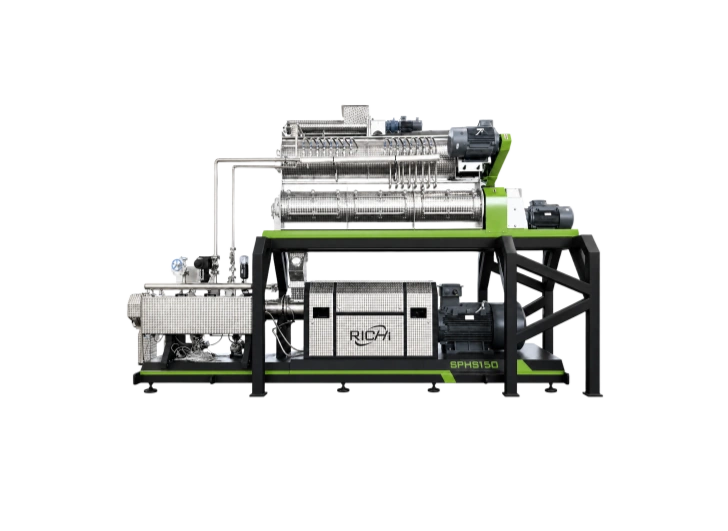
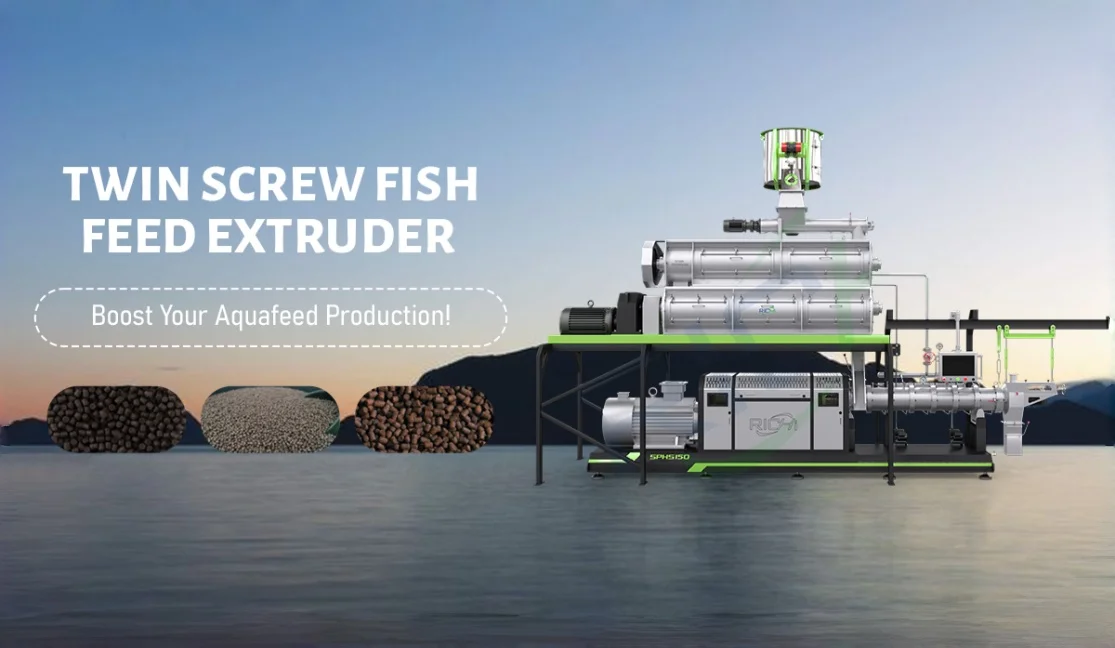
For floating fish feed plant solutions with a capacity of 1.5–2.0 T/H, we offer twin screw extrusion machine. The extrusion process ensures efficient and stable production and offers a wide range of applications. Using an extruder not only allows you to produce fish feed in a variety of formulations, densities, and sizes, but also facilitates long-term production and future upgrades to your system.
Broad application range
Applicable capacity range: 0.5–12 T/H
The extruder can flexibly adjust pellet density to produce floating, slow-sinking, and sinking feeds, meeting the needs of various fish species. It can also produce high-quality shrimp feed, crab feed, and other aquaculture feeds. Additionally, for integrated animal feed plants, it can produce extruded feed for livestock and poultry, pet food, and extruded grains. Therefore, from a long-term production perspective, it offers better value for investment.
Stable production results
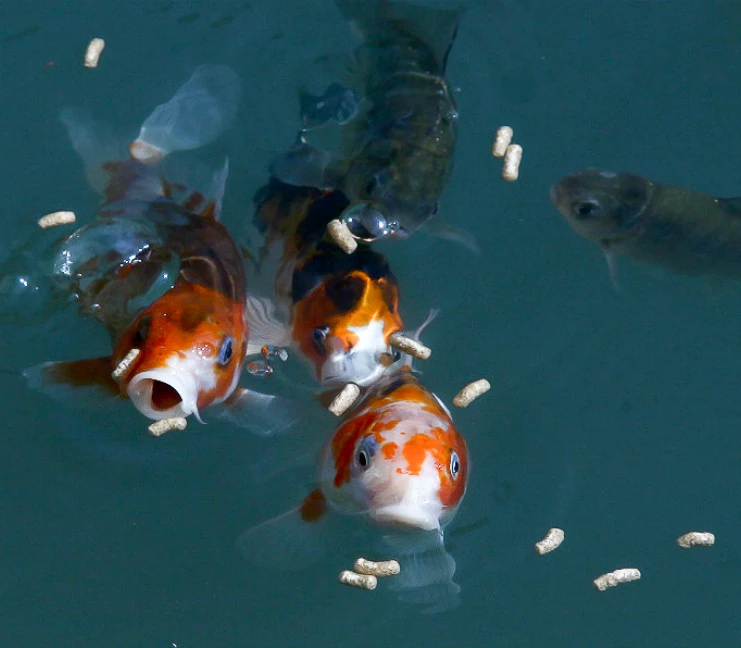
Floating Effect: 12+ Hours Water Stability
The high-temperature extrusion process fully gelatinizes the raw materials, significantly enhancing the floating performance of fish feed. In particular, the twin-screw process provides superior extrusion and cutting performance. The resulting floating feed is uniform, visually appealing, high-quality, and easier to digest and absorb.
other floating feed machine
We have designed a variety of high-efficiency production equipment for our floating fish feed plant solutions. Below are the common models, which are used in various production stages to help you produce high-quality fish feed. These floating fish feed mills also include customization services. You can flexibly configure them according to your needs.
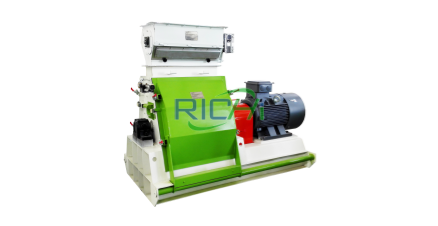
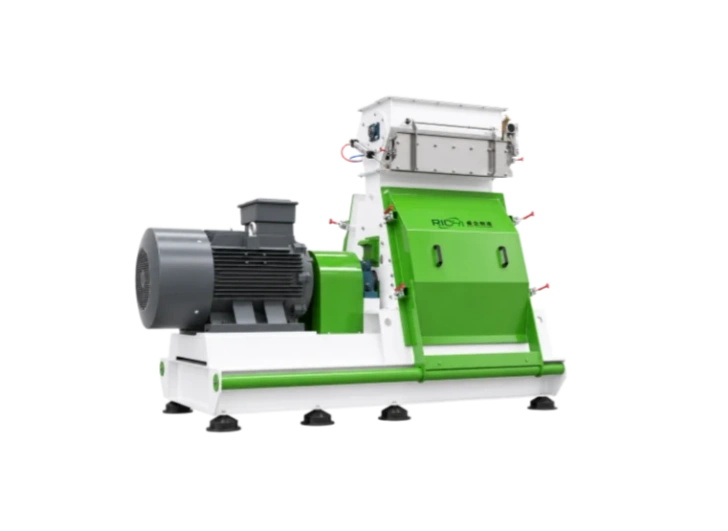
Feed raw materials Crusher
This hammer mill is typically used to grind materials smaller than 5 cm into particles ranging from 0.5 to 20 mm. Its output is 25% higher than that of other models. We can customize the screen mesh size.
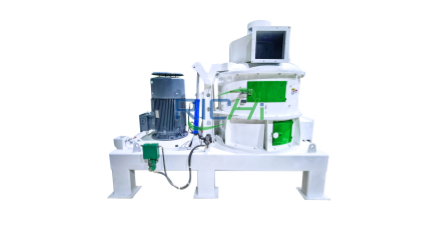
feed Ultra Fine Grinder
This equipment is designed for the ultra fine grinding of specialized aquatic feed, producing a particle size of 60–300 mesh. The finely ground feed is better suited for feeding young aquatic animals.
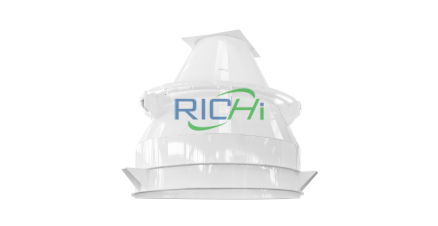
raw material Batching Scale
This equipment can be used upstream of a mixer to weigh and batch different materials. It features a high degree of automation and can be controlled via a PLC. For scaled production, it reduces labor costs.
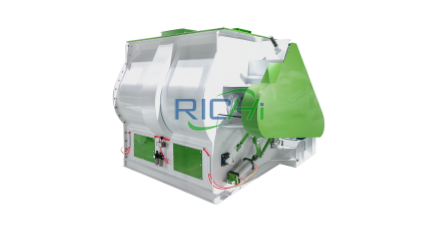
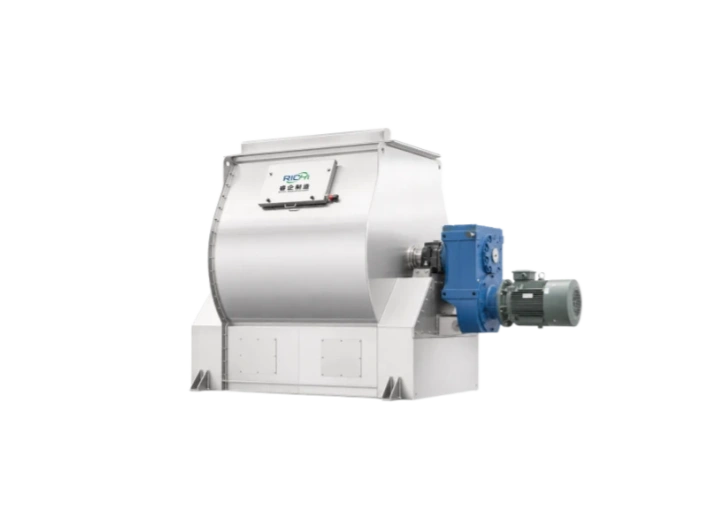
Feed raw material Mixer
This twin-shaft paddle mixer can uniformly blend various raw materials in a short amount of time to ensure consistent nutritional content in every feed pellet. It can mix powdered, viscous materials.
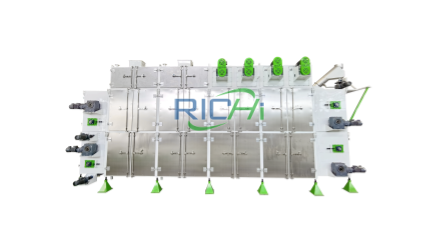
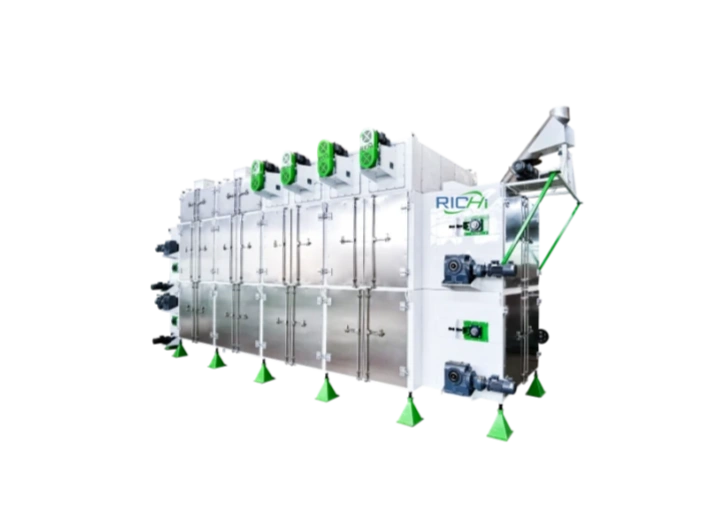
feed pellet mesh belt dryer
This dryer is specifically designed for drying animal feed and aquaculture feed. It uses a hot-air circulation system to gently dry the feed pellets, reducing their moisture content to 2–10%.
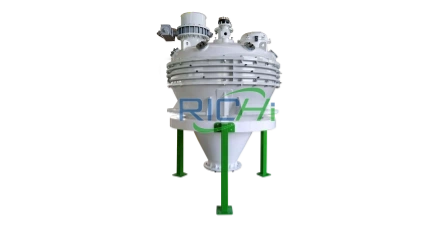
oil spraying machine
It evenly sprays nutritional supplements such as fish oil, phospholipids, and vitamin solutions on the feed pellet surface, significantly increasing the energy content and palatability.
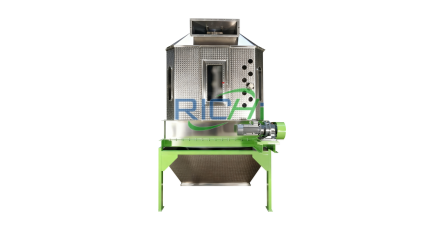
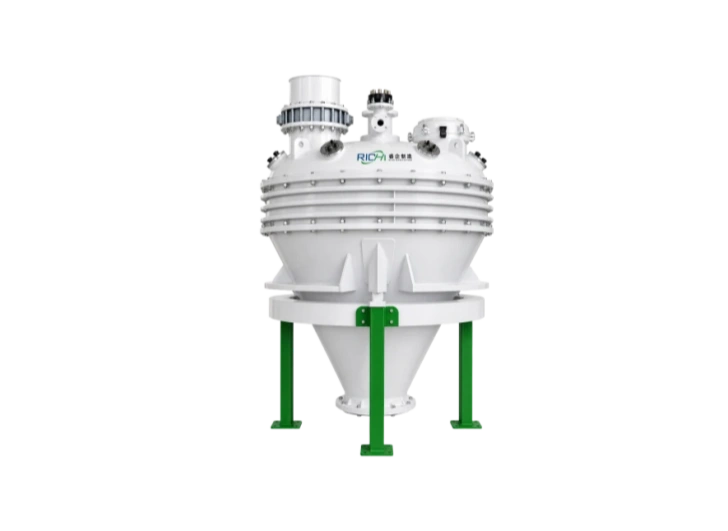
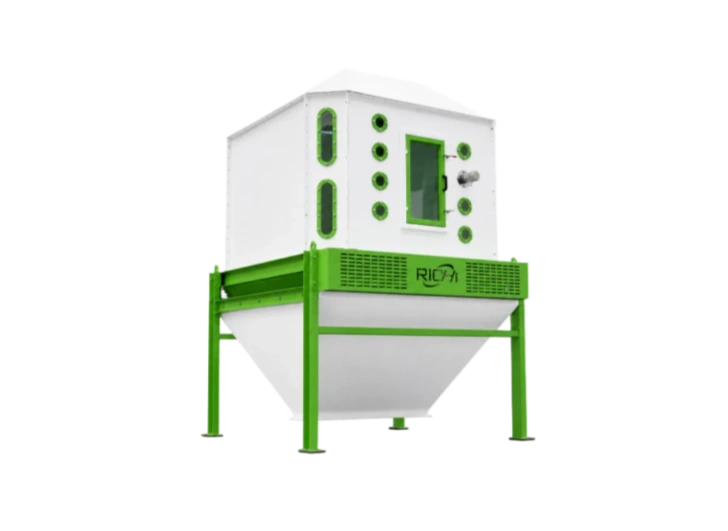
pellet Cooling Machine
It uses air to cool the feed to near room temperature, thereby stabilizing its structure and preventing mold growth. It effectively controls the cooling rate to ensure the pellets’ water resistance.
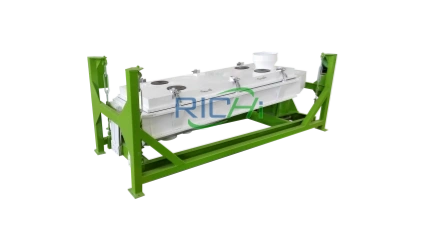
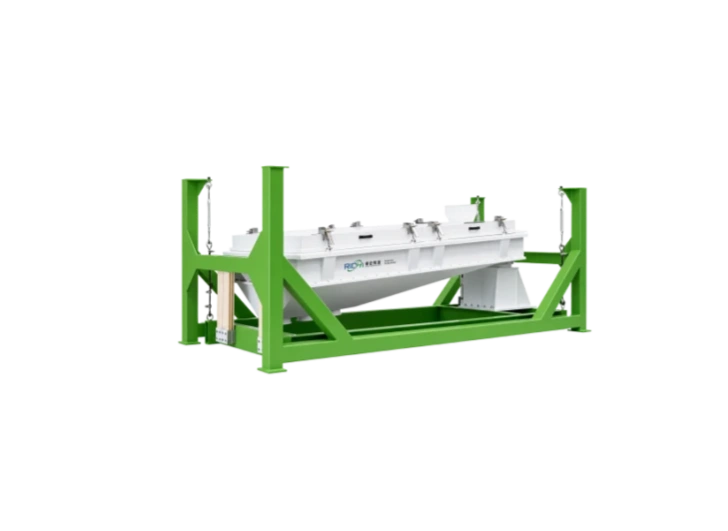
Vibrating Screen Classifier
It screens cooled particles, and utilizes the vibrating screen to classify mixtures of different particle sizes, which separates qualified products from powder and oversized particles.
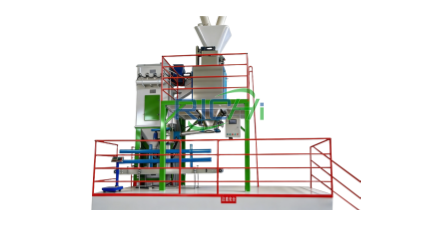
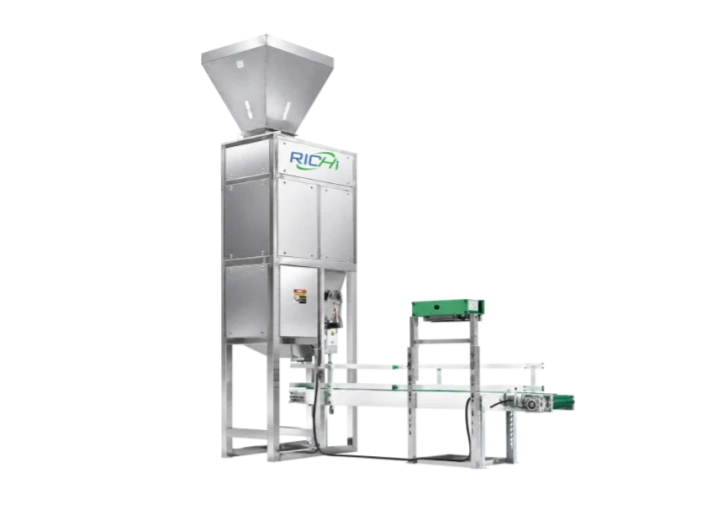
Automatic packaging system
This machine automatically weighs and packages shrimp feed pellets. The feed is packaged in bags weighing 10–50 kg. Sealing methods include heat sealing, stitching, and a combination of both.
Benefits of 1.5-2.0T/H Fish Feed line solution
This production capacity solution combines flexibility with high production efficiency. It consistently produces a wide range of high-quality products, helping you expand your market, and is an ideal choice for a growing floating fish feed plant. We can provide a production solution tailored to your production scale, feed requirements, and specific circumstances.

Stable Output
As a scalable commercial production solution, this production line delivers consistent, high-quality output. We provide you with scientifically optimized process design and advanced equipment—key advantages that ensure the long-term operation of your fish feed plant.

Multiple Feed Types
This production line can process a variety of feed ingredients and formulations. These products meet the nutritional needs of shallow-water fish at all stages of growth. In addition, you can adjust the formulations and parameters to produce sinking and slow-sinking fish feed.

Better Water Stability
Proper raw material processing and extrusion parameters give the fish feed better floating ability and water resistance. Tests have shown that the floating feed produced by this system can remain on the water’s surface for more than 12 hours without disintegrating.

High-Efficiency Production
This solution emphasizes high-efficiency production with low energy consumption. The seamless integration of each production stage significantly improves continuous production efficiency. Automation helps reduce material waste and save on labor costs.

Consistent Product Quality
All floating fish feed production equipment is meticulously designed and rigorously tested. They ensure precise raw material processing, excellent extrusion results, and consistent pellet size. Every batch of product guarantees optimal palatability and visual appeal.

Ready for Business Expansion
The line can meet production capacity needs of 1.5–2.0 T/H. When designing the system, we take into account the fish feed plant’s future upgrade needs. THey are designed to accommodate higher production capacities, thereby reducing future investment costs.
Global Cases
Floating fish feed has promising market prospects in the United States, Russia, Indonesia, Iraq, and other countries. We have provided this 1.5–2.0T/H production solution to numerous fish farms and growing floating fish feed plants. Below is an overview of representative projects. Please feel free to contact us at any time for similar solutions.
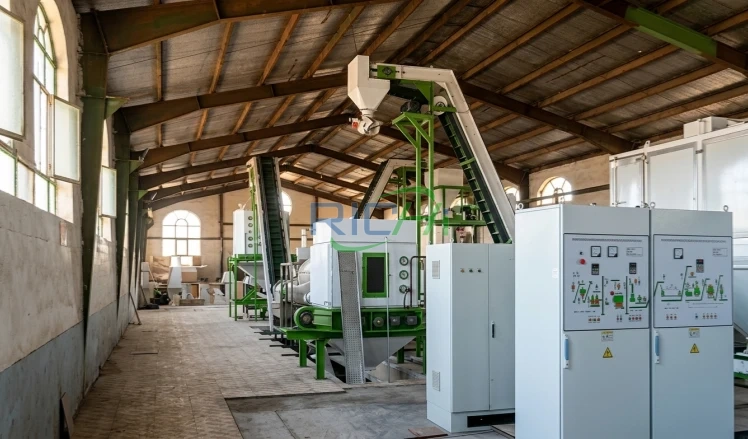
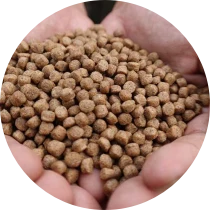
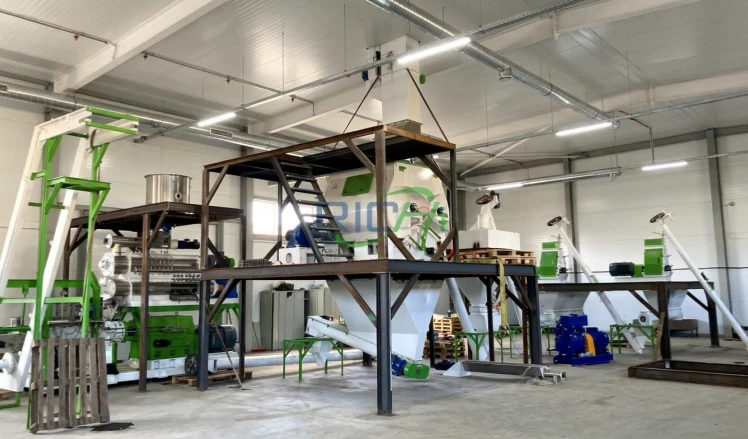
1.5–2.0 T/H Floating Fish Feed Production Line in Vietnam
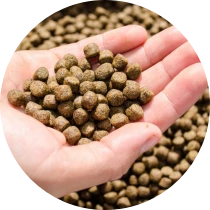
This is a floating fish feed production line provided to a basa fish farming enterprise. The client uses materials such as soybean meal, fish meal, and rice bran to produce 2–5 mm floating pellets. This product is suitable for both juvenile and adult basa fish. By adjusting the feed formula and changing the floating fish feed mill dies and parameters, this production line can also meet the requirements for other aquaculture feeds.
1.5–2.0 T/H Floating Fish Feed Manufacturing Plant in USA
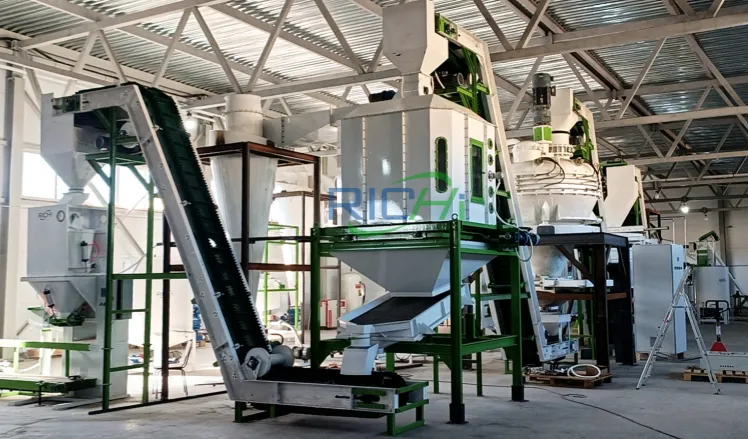
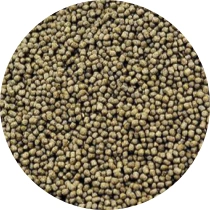
This client is a large catfish farm that needs to produce high-quality feed for its own use. This production system efficiently processes mixed raw materials such as corn, soybean meal, and cottonseed meal, converting them into 3–6 mm floating pellets with various formulation ratios. After a period of production, the client also began using the system to produce tilapia feed to meet commercial demand.
1.5–2.0 T/H Floating Fish Feed Plant in Russia
This is a rainbow trout farming project where the client needed to establish its own production system to ensure a stable feed supply. The project required high-protein and high-energy feed formulations. Our equipment is capable of extruding and pelletizing fish meal, meat-and-bone meal, and other blended raw materials. The resulting feed, with a diameter of 3–6 mm, significantly improves feeding outcomes.
1.5–2.0 T/H Floating Fish Feed Processing Plant in Indonesia
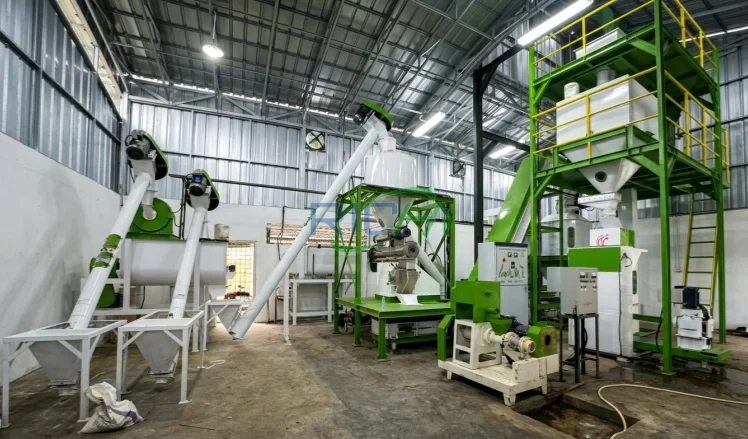
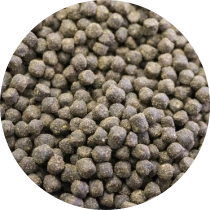
The client is a comprehensive feed manufacturer, and we provided them with a customized floating fish feed production line, including extrusion and pelletizing processes. Equipped with an extruder and an animal feed pelletizer, the line is capable of producing both tilapia feed and other animal feeds. The production line features a single-screw extruder designed to meet the client’s production scale.
We have extensive experience in providing services for global fish feed projects and can offer equipment solutions tailored to your specific needs. Additionally, we offer aqua feed production lines with other capacities. Click the button to learn more about our capacity configurations.
Floating Fish Feed Line Capacity Options
Below are fish feed production line solutions for common production scales, ranging from 0.2 to 10.0 T/H. Each solution is backed by real-world customer cases. To meet a wider range of needs, we offer customized solutions, turnkey services, and configurations with varying levels of automation. In addition, we provide solutions for larger-scale floating fish feed plants. Please feel free to contact us for your fish feed solution.
0.2–0.4 T/H
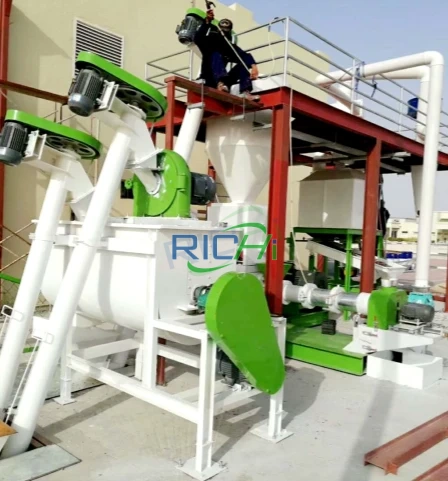
This capacity solution features low investment costs and a small footprint. We can provide you with a fish feed pellet making machine or a single screw extruder machine. This solution offers flexible production of standard small-batch aquaculture and pet food.
Applications: Small Fish Ponds / Shrimp Ponds, Small Fish Feed plants
0.5–1.0 T/H
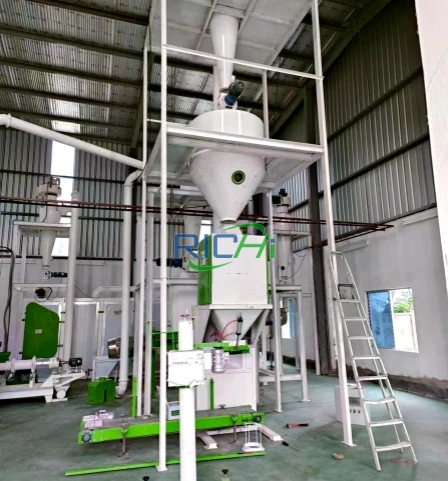
As a common solution for small- to medium-sized aquafeed production, it can accommodate various feed formulations and produce both standard and premium aquafeeds. This includes floating feed, sinking feed, and bottom-dwelling feed.
Applications: Medium-sized aquaculture farms, Start-up aquafeed plants
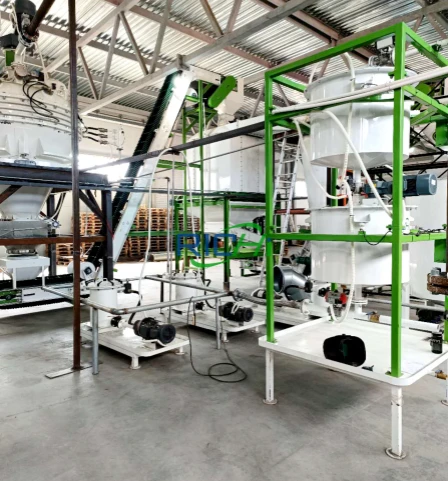
1.5-2.0 T/H
This is a common solution for medium-sized feed plants. It features a high level of automation, enabling stable and efficient production. With robust equipment configuration, it ensures continuous and stable output.
Applications: Large-scale aquaculture farms, Commercial Floating Fish Feed Plant
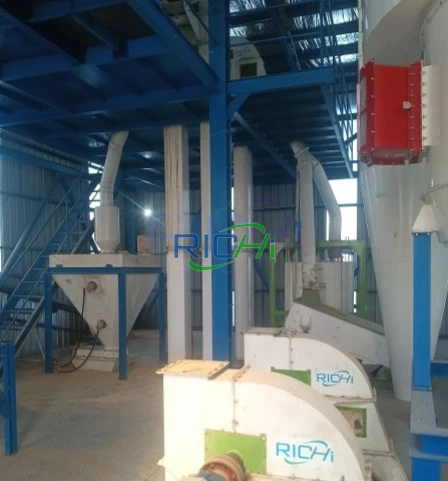
3.0–4.0 T/H
We provide fully automated, high-capacity solutions for commercial aquafeed plants, typically tailored to specific requirements. This solution supports 24-hour continuous operation for the production of premium or commercial feed.
Applications: Commercial feed plants, companies engaged in external sales
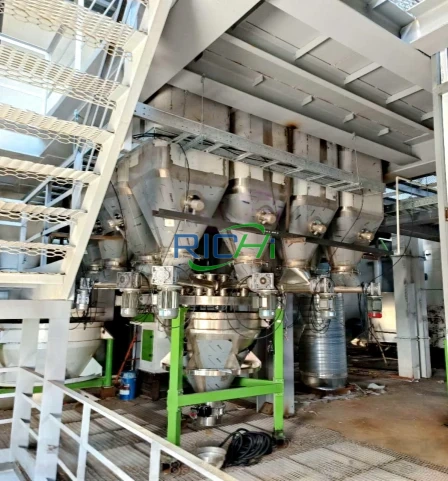
5.0–6.0 T/H
This solution typically employs multiple sets of equipment operating in parallel and is suitable for large-scale feed manufacturers with some experience. As a large-scale production line, it can consistently produce high-quality feed in multiple batches, ensuring high profitability.
Applications: Large feed conglomerates, companies engaged in external sales
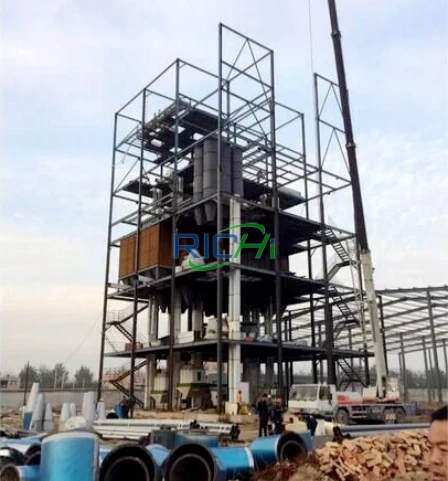
8.0-10.0 T/H
We offer fully customized solutions featuring multiple aqua feed production lines operating in parallel. These systems minimize labor costs and enable fully automated, comprehensive production. The target products are primarily high-end export aquatic feed.
Applications: Comprehensive aquatic feed pellet plant, international feed mills
RICHI MACHINERY
Why choose RICHI?
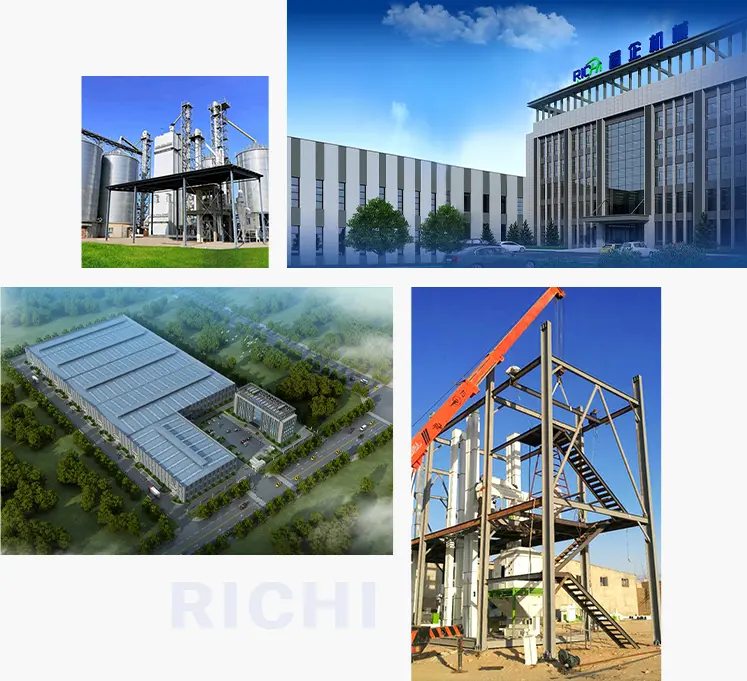
RICHI Machinery was established in 1995 and holds European CE certification, Swiss SGS certification, French BV certification, and ISO 9001 quality management system certification, with a complete international trade system. Up to now, our products have been exported to 140 countries and regions, which has earned the trust and recognition of a wide range of customers.
For equipment manufacturing, we have established a state-of-the-art production facility equipped with advanced technology. Each piece of equipment is designed and manufactured with customer needs in mind. All products undergo rigorous testing before being sold. Whether you operate a small fish farm or a large-scale fish feed production facility, you can find the ideal floating fish feed plant solution at RICHI.
30+
Years Experience
1000+
Serving customers
140+
Exported countries
2000+
Provided devices
Frequently Asked Questions
We offer free consultation services regarding this floating fish feed plant solution. You can send us your production needs and desired production capacity anytime, and we will provide reasonable recommendations and project planning based on that information. Below are common answers based on customer inquiries that can help you better understand this solution.
Can this floating fish feed production plant produce feed for different types of fish?
+
This production system can efficiently process a variety of feed ingredients to produce fish feed with different formulations, densities, and sizes. It meets the feeding needs of fish throughout all growth stages, including common species such as tilapia, carp, catfish, trout, and other high-protein, high-energy fish feeds.
You can freely change the dies, parameter ratios, and feed formulations. Not only can it produce floating fish feed, but it can also produce sinking and slow-sinking feeds. Using this solution will help you explore more product possibilities and achieve a high return on investment.
How to make fish feed float?
+
The key to making fish feed float lies in its formulation, production process, and pellet density. Therefore, you need to ensure proper control of the feed formulation, including starch and moisture content. Properly processed raw materials can enhance the extruder’s expansion effect.
The high-temperature extrusion process allows the material to be fully cooked, thereby increasing pellet density and improving buoyancy. Extruded pellets typically have a high moisture content. After drying, their pellet structure is further stabilized, extending the floating time.
For which production applications is the 1.5–2.0 T/H floating fish feed plant suitable?
+
As a comprehensive fish feed production solution on a moderate scale, this system can meet stable feed production demands. It is suitable for commercial aquaculture farms of a certain size, growing fish feed mills, and regional fish feed suppliers.
This solution supports continuous production, achieving a daily capacity of 12–16 metric tons. You can adjust the unit output as needed. We offer customized services and turnkey plant construction projects for clients requiring this solution.
Can this 1.5–2.0 T/H fish feed production line be upgraded in the future?
+
Taking into account the actual operations of users at this production capacity and future investment plans, all our solutions are designed to meet commercial expansion needs. Our engineers will optimize the process flow based on your facility space to help minimize future retrofitting costs.

