
 +86 14769960951
Shrimp Feed Plant
This shrimp feed plant solution is capable of producing shrimp feed in a variety of formulations and types. It can accommodate multiple raw material formulations to produce high-quality, water-resistant pellets. We offer customized solutions and turnkey services to meet diverse production capacities and needs.
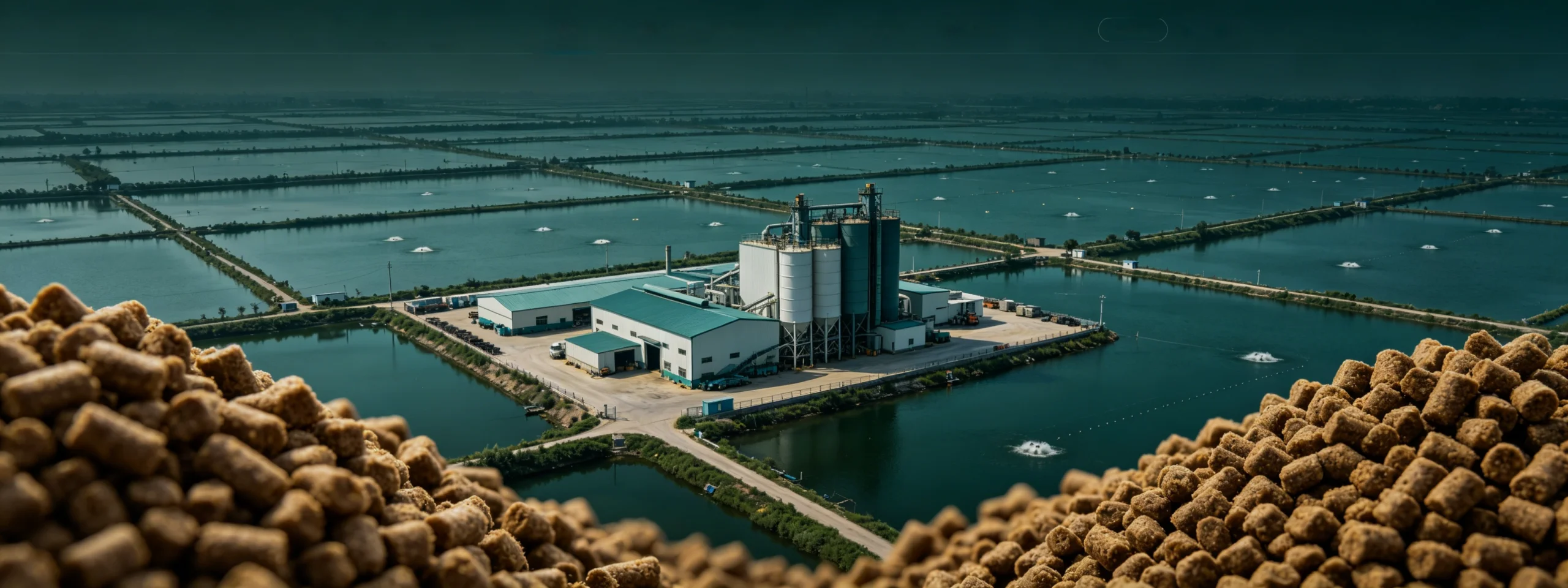
High-Efficiency Shrimp Feed Plant Solution
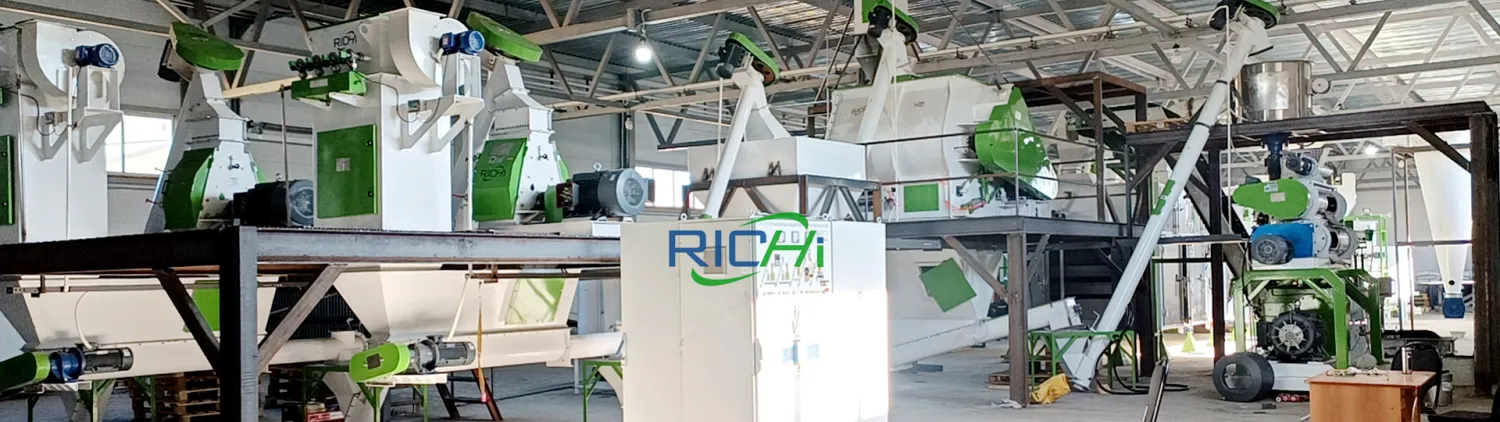
We offer a complete shrimp feed production line capable of meeting production capacity requirements ranging from 0.5 to 40 T/H and above. This solution features high-efficiency, energy-saving production equipment and is organized into scientifically designed process stages. The entire system is equipped with a PLC control system, enabling highly efficient automated shrimp feed production.
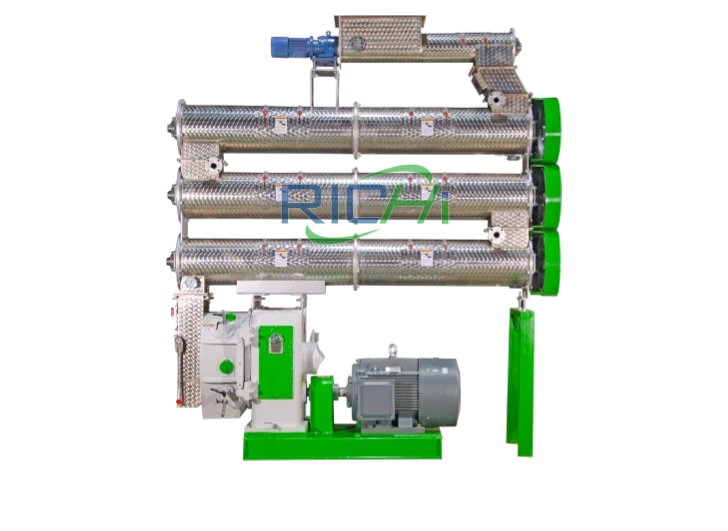
Since shrimp require feed with a high degree of conditioning, our pelletizers are equipped with three-stage conditioners. For high-end shrimp feed applications, we also offer shrimp feed extruders. Through various configuration options, we meet the production needs of shrimp feed processing plants, shrimp farms, and other facilities.

Production Capacity
The standard production capacity of this production line is 0.5–20 T/H. Our industrial-grade configuration can meet production capacity requirements ranging from 0.5–40 T/H and beyond.

Suitable Raw Materials
This solution offers excellent adaptability to raw materials. You can use various shrimp feed ingredients such as fish meal, wheat flour, corn flour, soybean meal, rice bran, etc.

Feed Type
This solution is suitable for producing shrimp feed according to various formulations and standards, such as shrimp starter feed, grower feed, finisher feed, sinking shrimp feed, etc.

Application Scenarios
We offer customized solutions with varying levels of automation. This solution meets the production needs of shrimp farms, shrimp feed factories, aquatic feed plants, and similar facilities.

SHRIMP FEED PRODUCTION PROCESS
A shrimp feed plant refers to a complete set of mechanical equipment that processes various raw materials such as fish meal, soybean meal, wheat flour, vitamins, and minerals through a series of continuous operations like crushing, mixing, tempering, pelleting, cooling, and screening to produce standardized pellet feed. There are many kinds of solutions, which have different production processes, output capacities, and configurations. The following details the standard production process for this system. We also offer customized process configurations.
SHRIMP
FEED PRODUCTION PROCESS
Capacity Options for Shrimp Feed Plant
In order to meet the production needs of more customers, we offer shrimp feed production lines with varying capacities. Below are our standard capacity options, each designed for different production scenarios and requirements. In addition to these, we can customize special capacity solutions for you.
0.5-1.0 T/H Shrimp Feed Production Solution
This solution represents the lowest-capacity option, suitable for small-scale shrimp farms producing feed for their own use, as well as start-up shrimp feed processing plant. It requires a lower investment budget, operates primarily at a semi-automated level, and features a relatively simple production process.
1.5-2.0 T/H Shrimp Feed Production Solution
As a common choice for small- to medium-scale production, this solution can meet the shrimp feed needs for a wider range of formulations. It offers significantly improved production stability. It also provides better value for money, making it suitable for medium-sized farms and shrimp feed plant.
3-4 T/H Shrimp Feed Production System
This system features a higher level of configuration and enables continuous automated production. The feed it produces is of a more consistent quality, meeting the demands of high-end feed production. It is suitable for commercial shrimp feed processing plant, large-scale aquaculture farms, and similar facilities.
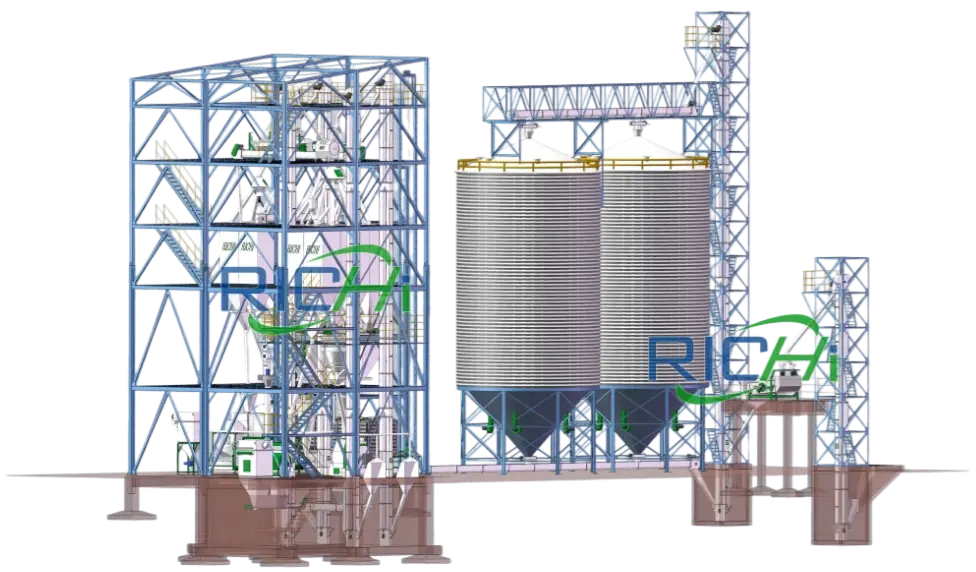
5-6 T/H Shrimp Feed Production System
This production capacity option is generally suitable for high-volume continuous production needs. It features a more comprehensive process configuration, including drying and spray systems. With its high capacity and efficient production, it provides high-quality feed products for established shrimp feed factory.
8-10 T/H Shrimp Feed Production System
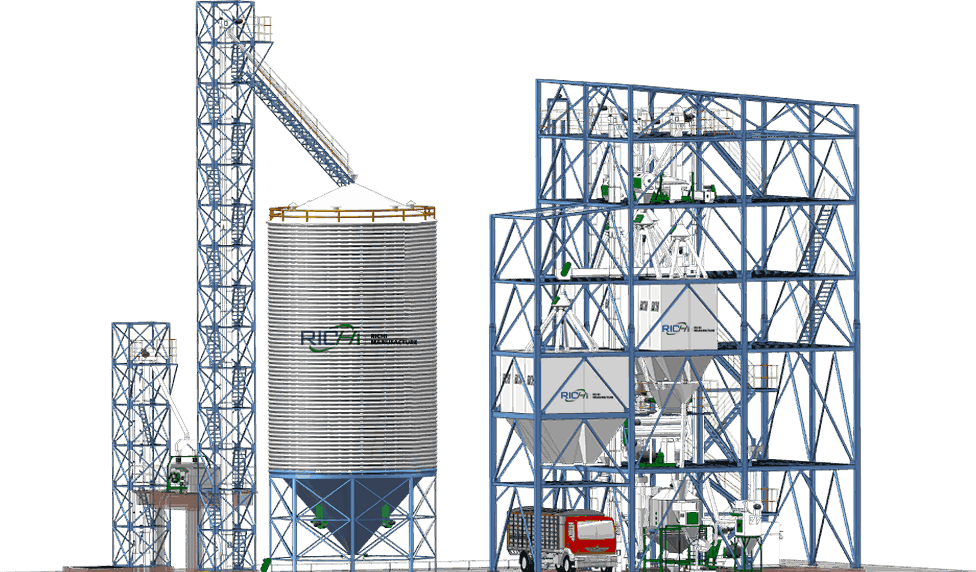
This system offers a higher level of automation and is operated via a centralized integrated control system. It is typically equipped with large storage silos to facilitate continuous, automated production across multiple batches. It is generally used in large-scale industrial aquafeed plants.
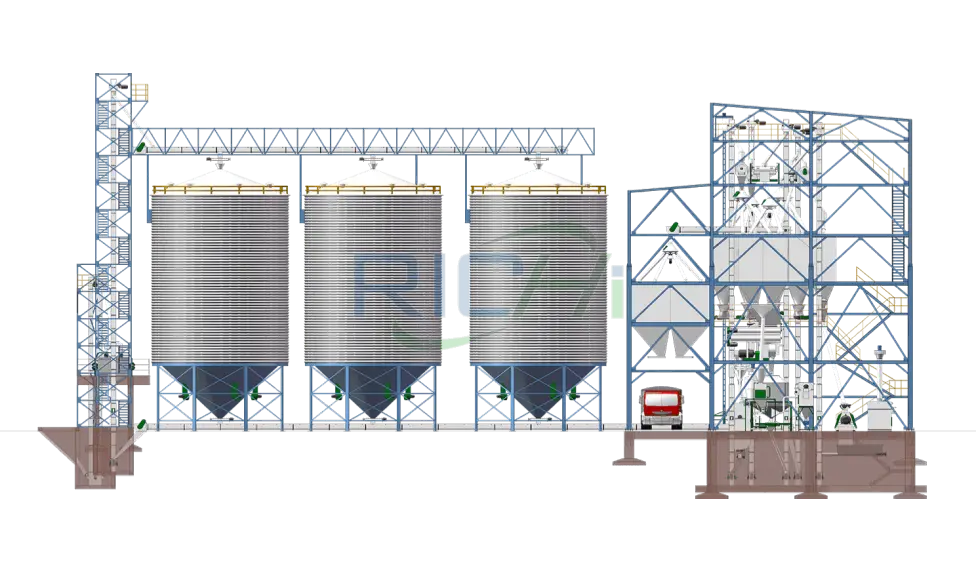
10-15 T/H Shrimp Feed Production System
As a large-scale industrial production line, it is typically tailored to specific customer needs. By configuring different processing equipment and production processes, it enables the integrated production of a wide variety of aquatic feed products. It also offers a broader range of packaging specifications and pellet sizes.
15-20 T/H Shrimp Feed Production System
Due to its high production capacity per unit, this production system offers lower unit production costs. Under normal operating conditions, it achieves a faster return on investment. Given the high initial investment and high return on investment, this solution is better suited for large export-oriented enterprises.
Key Equipment for Shrimp Feed Production
We offer two types of pelletizing equipment: ring die pelletizers and extruders. Although both are used for shrimp feed production, they differ significantly in structure and application. You can make your selection based on the recommendations below, or contact us at any time for a customized equipment solution.
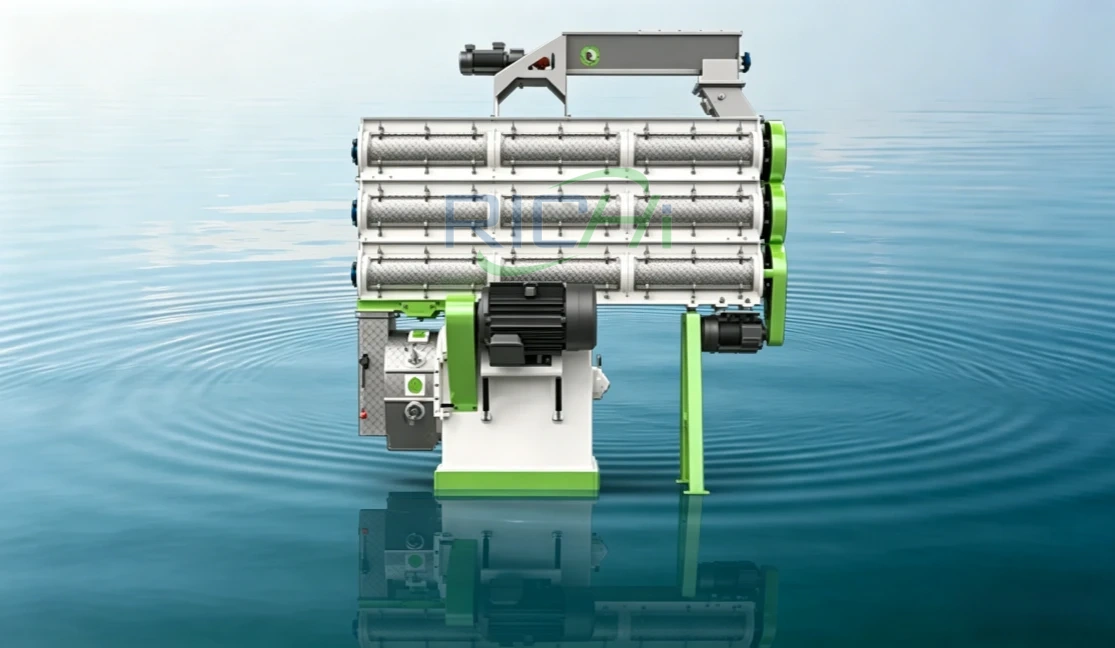
Shrimp Feed Pellet Machine For Sale
Applications: Small to medium-sized shrimp farms, aquatic feed plant
This shrimp feed pellet machine produces conventional sinking pellets through high-temperature conditioning and high-intensity compression. It requires a lower investment budget and is suitable for basic shrimp feed production.

Shrimp Feed extruder Machine For Sale
Applications: Shrimp feed plant, high-end export brands, fish feed production line
This extruder is available in single-screw and twin-screw models to accommodate production capacities of 1 ton per hour or less, and above. It produces higher-quality feed, capable of manufacturing floating, sinking, and settling feeds according to various formulations.
other Shrimp Feed Plant Equipment
We offer a complete range of shrimp feed pellet production equipment. Each piece of equipment that we design is made of premium materials, such as stainless steel construction, Siemens motors, and SKF bearings. The excellent allocation and perfect coordination of these devices ensure the efficient and stable operation of the shrimp feed manufacturing plant.
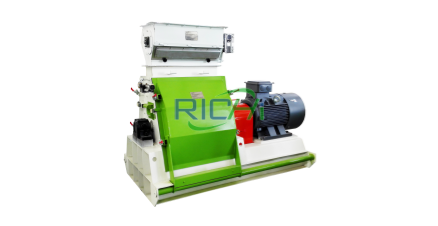
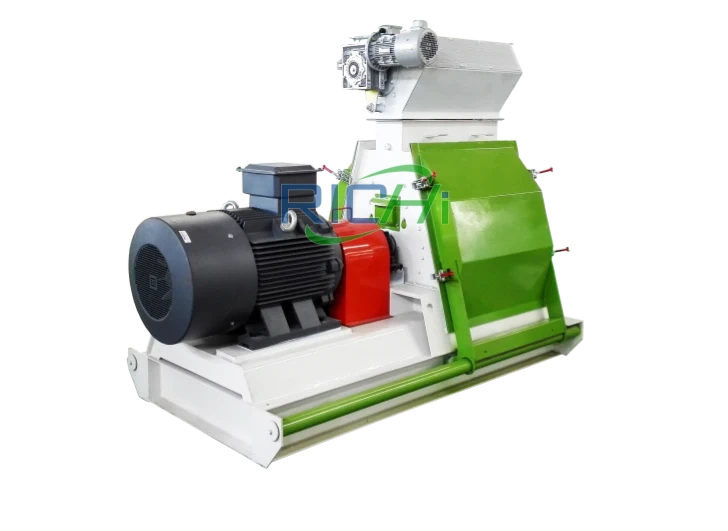
Feed raw materials Crusher
The water-drop hammer mill is famous for its high efficiency and uniform particle size. The finer raw material particle size is required to enhance feed digestibility and pellet formation quality.
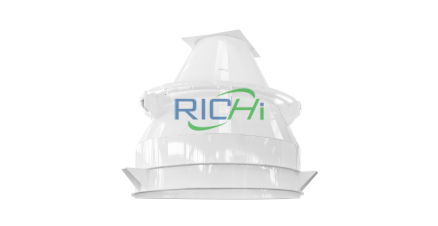
raw material Batching Scale
This highly automated equipment is designed for the precise weighing, batching, and metering of various raw materials. Controlled by a PLC, it minimizes errors and reduces labor costs.
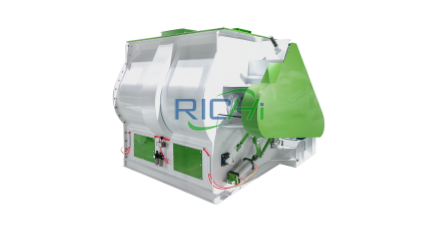
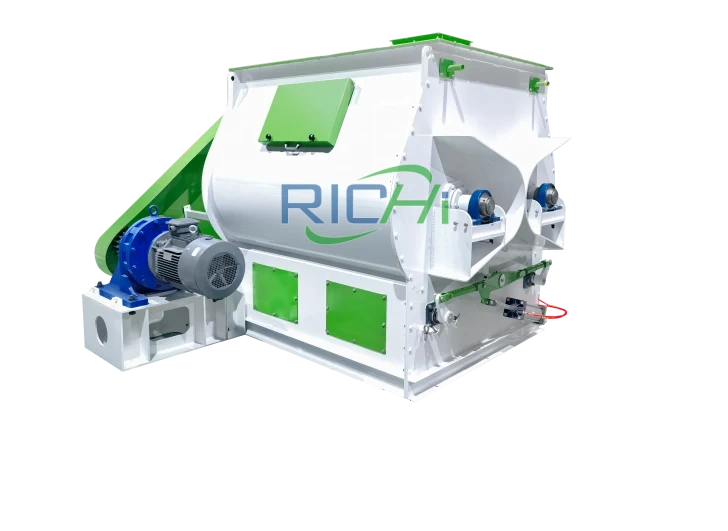
Feed raw material Mixer
Twin-shaft paddle mixers are commonly used, capable of uniformly blending various ingredients in a short time to ensure consistent nutritional content in every feed pellet.
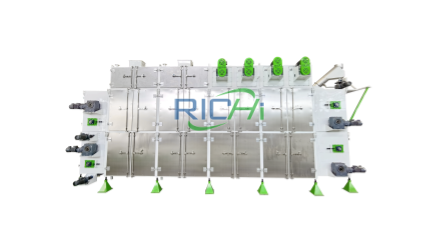
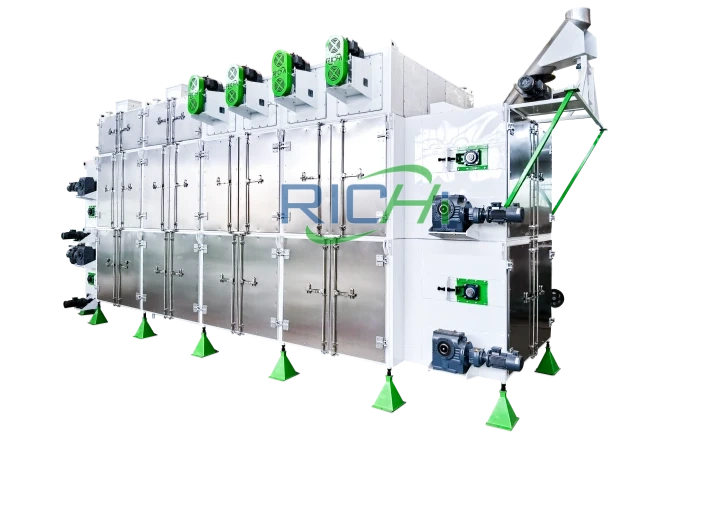
feed pellet mesh belt dryer
This dryer is specifically designed for drying animal feed and aquaculture feed. It uses a hot-air circulation system to gently dry the feed pellets, reducing their moisture content to 2–10%.
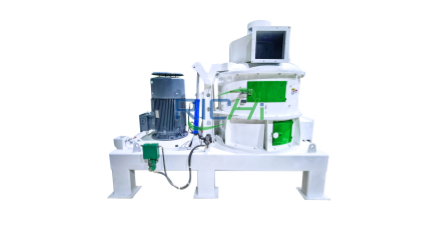
feed pellet Ultra-Fine Grinder
This equipment is designed for the ultra-fine grinding of specialized aquatic feed, producing a particle size of 60–300 mesh. The finely ground feed is better suited for shrimp larvae.
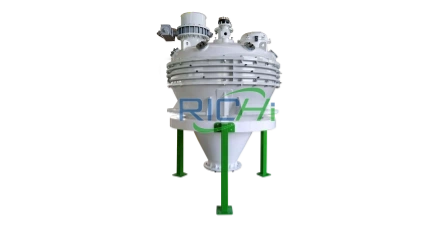
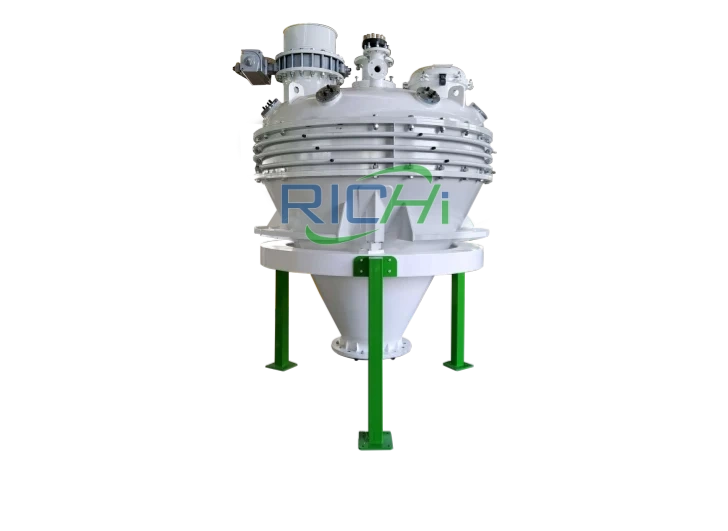
Vacuum feed Coating Machine
It evenly sprays nutritional supplements such as fish oil, phospholipids, and vitamin solutions on the feed pellet surface, significantly increasing the energy content and palatability.
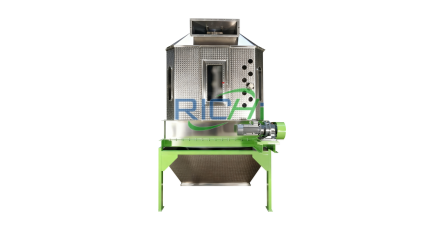
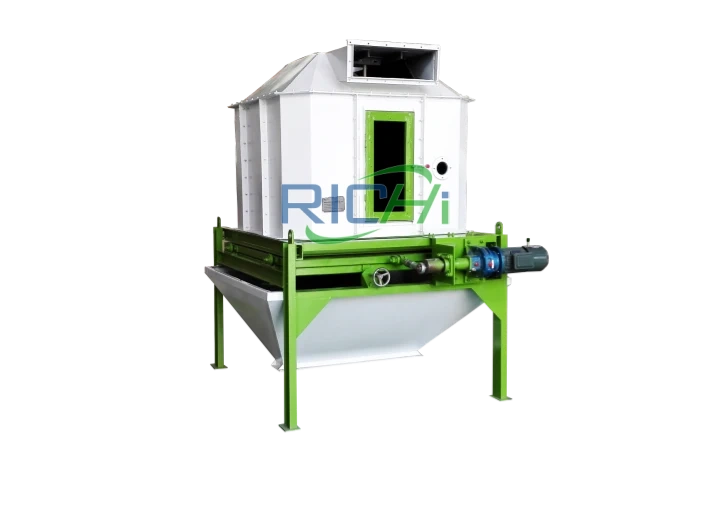
feed pellet Cooling Machine
It uses air to cool the feed to near room temperature, thereby stabilizing its structure and preventing mold growth. It effectively controls the cooling rate to ensure the pellets’ water resistance.
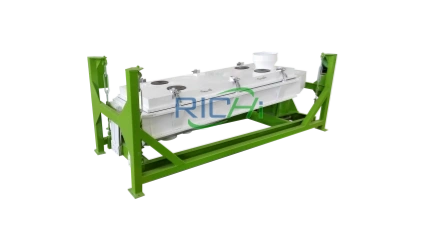
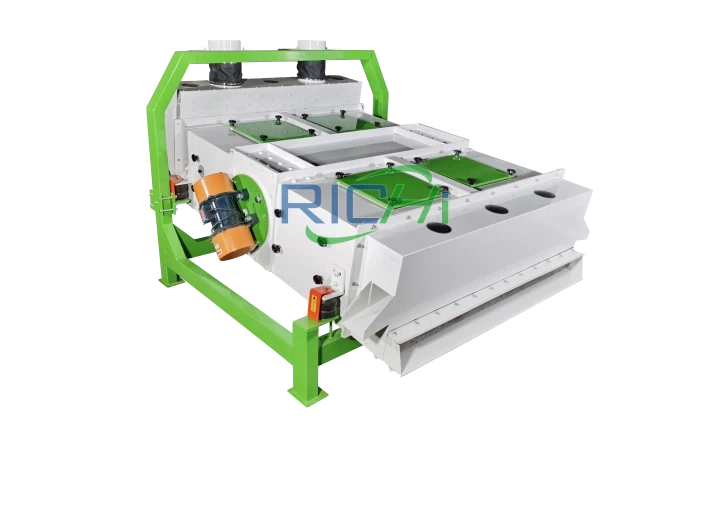
feed Vibrating Screen Classifier
It screens cooled particles, and utilizes the vibrating screen to classify mixtures of different particle sizes, which separates qualified products from powder and oversized particles.
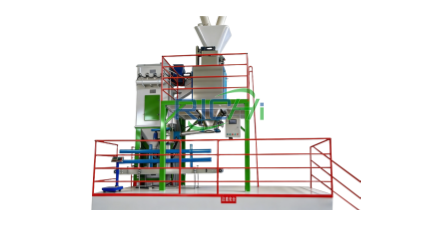
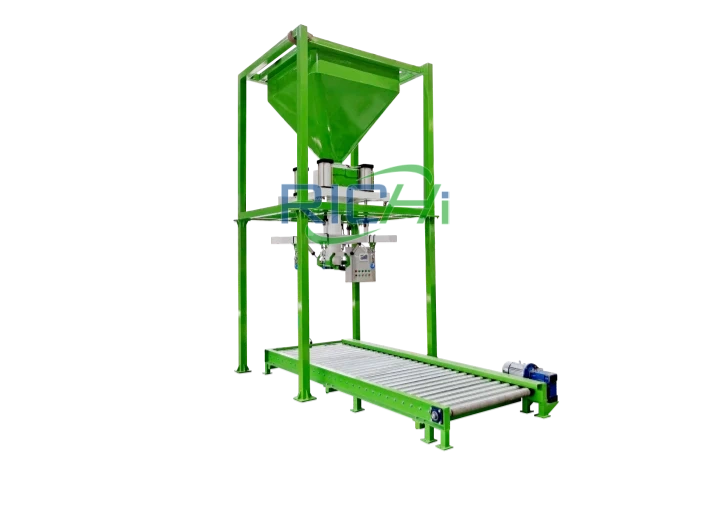
feed Automatic packaging system
This machine automatically weighs and packages shrimp feed pellets. The feed is packaged in bags weighing 10–50 kg. Sealing methods include heat sealing, stitching, and a combination of both.
Advantages of the shrimp feed processing plant solution
RICHI shrimp feed solution is specifically designed for the physiological characteristics of shrimp. Therefore, the shrimp feed pellet plant not only enhances feed quality but also provides significant benefits for the aquaculture industry. Below are its key advantages.
Meeting Nutritional Needs
The shrimp feed plant can precisely produce pellets ranging from shrimp fry starter feed (0.15mm) to adult shrimp feed by replacing the die of the shrimp feed mill, which can meet the nutritional requirements throughout the entire life cycle of shrimp and realize precise feeding.
Improving absorption rates
The heat treatment during production denatures proteins and gelatinizes starch, which is more suitable for the digestive physiology of shrimp. This means nutrients in the feed can be absorbed and utilized more efficiently, which directly saves aquaculture costs.
Consult Now >>
High level of automation
The whole process from raw material processing to finished product packaging is fully automated, which only requires 1-2 operators. This significantly reduces labor costs and boosts productivity.
Consult Now >>
Reduction of water pollution
Feed that does not disintegrate means reduced organic pollution in the water, and it is easier to control harmful indicators such as ammonia nitrogen and nitrite. This provides shrimp with a stable, clean growth environment, and fundamentally prevents the occurrence of diseases.
Consult Now >>
Reduction of feed waste
Pellet feed has a compact structure that minimizes waste during feeding, which can reduce feed loss by 20%-30%. It is particularly suitable for feeding aquatic animals.
Balanced Nutrition
Automated batching and mixing systems ensure uniform distribution of micro nutrients such as vitamins and minerals throughout the feed. This eliminates nutritional imbalances and uneven growth sizes in shrimp populations that are caused by inconsistent manual mixing.
Consult Now >>
High stability in water
This is the most important criterion for shrimp feed. The solution employs processes such as grinding and high-temperature tempering to fully gelatinize the starch, which forms a natural binder. This enables the feed pellets to maintain their shape for 2-4 hours in water without disintegrating, which prevents nutrient loss.
Consult Now >>
Efficient Mass Production
A modern production line can operate continuously, with daily output ranging from several tons to hundreds of tons, which enables stable supply to large-scale farms. This is incomparable to any manual or semi-mechanized production.
Consult Now >>
Project Cases of Shrimp Feed Production
As a professional supplier of aquaculture feed equipment, we offer a variety of shrimp feed production solutions. Below are some of our global projects, which include not only production line equipment projects but also turnkey solutions. The specific project configuration will be tailored to the customer’s actual needs, ensuring optimal production results.
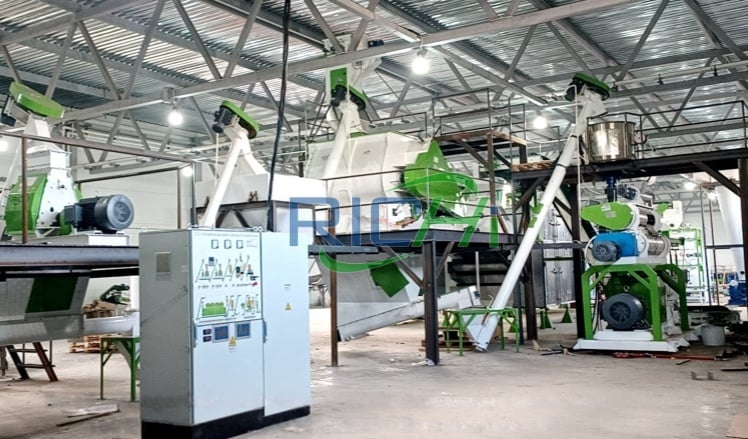
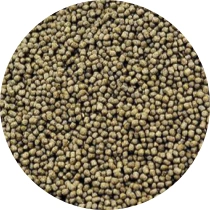
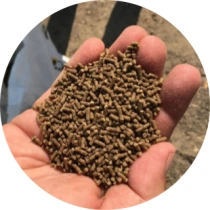
2-3 T/H Shrimp Feed plant project in Iran
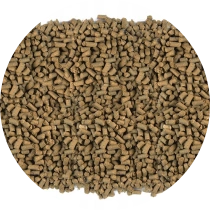
This project produces sinking shrimp feed pellets with diameters of 1.2 mm and 1.8 mm. To meet high-quality standards, the project is equipped with a grinder, batching scales, a mixer, a twin screw fish feed extruder, and other machinery. The feed pellets produced feature high water resistance and palatability.

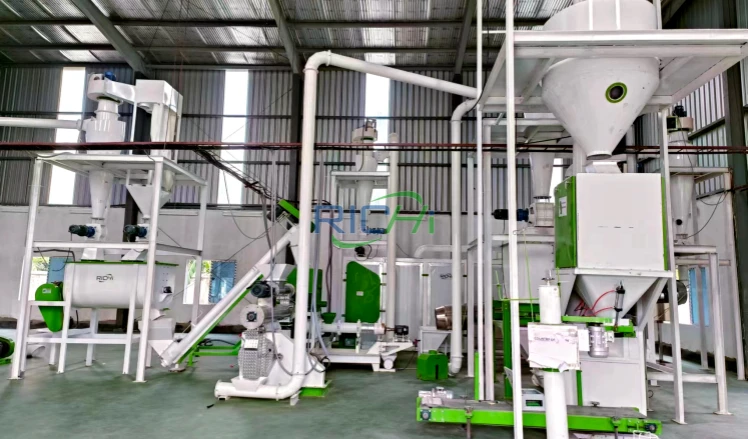
2 T/H Shrimp Feed pellet Plant in Indonesia
The client required a basic production line for pelletizing sinking shrimp feed. The pelletizing equipment is a feed pelletizer. It is equipped with a three-stage conditioner, which effectively improves the feed’s water resistance and promotes digestion and absorption in shrimp. It also supports conditioned feed formulations.
1-2 T/H Shrimp Feed Production Plant in Uzbekistan
This project is designed to produce high-protein shrimp feed. Raw materials include corn flour, soybean meal, and fish meal. We provided an automatic batching system to ensure optimal formulation ratios. The aquatic feed pellet plant for shrimp feed not only meets the client’s production needs but also significantly reduces production costs.
5-6 T/H Shrimp Feed Pellet Production Line in Brazil
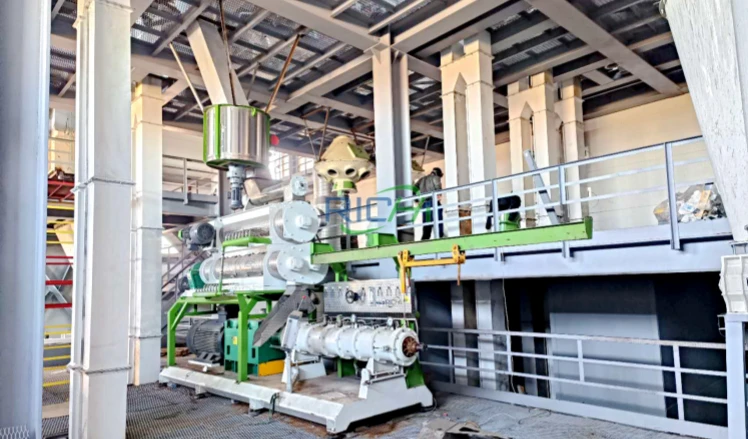
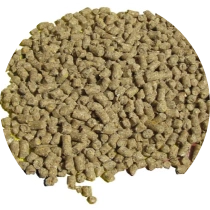
Our client required a complete production system for manufacturing high-quality shrimp feed pellets. The product is suitable for feeding postlarvae, growing shrimp, and market-size shrimp. We provided highly efficient and energy-saving twin screw extrusion machine and other units. Controlled by a PLC system, it ensures continuous and stable output.
Since production requirements vary by customers, the final project configuration may differ slightly. We welcome you to share your production requirements at any time, so we can provide the most suitable production solution.
How to Select the Appropriate Shrimp Feed production solution?
Selecting the appropriate shrimp feed plant is a critical investment decision that directly impacts product quality, production costs, and the company’s market competitiveness. We will analyze this step by step from the following perspectives.
1. Determining Production Capacity
First, the target production capacity is the most direct basis for selecting an equipment solution. You can calculate this based on your required annual and daily production capacities. Finally, determine the target unit production capacity for the project.
2. Raw Material Characteristics
The formulation of shrimp feed should specify the raw materials and clearly define their fat, starch, and fiber content, which will impact the selection of grinding, tempering, and pelleting processes.
3. Level of Automation
Automated production lines can reduce labor costs. Small-scale production lines with a capacity of 0.5–3T/H typically feature basic automation and require 3–8 operators. Large-scale production lines have a higher level of automation and require only 2–6 operators.
4. Key Equipment Configuration
- Crushing System: We recommend using a hammer mill to grind the raw materials. It achieves a finer grind, which improves the pellet formation rate of the shrimp feed. As a result, the feed will be more stable in water and will be more easily digested and absorbed.
- Conditioning System: We should choose a multi-layer conditioner to extend the mixing time between material and steam, so that the starch gelatinizes fully. This is the core step for enhancing water stability.
- Drying and Cooling System: Select dryers and coolers with the appropriate capacity. Our equipment can reduce the moisture content of pelleted feed to approximately 12%. This ensures optimal pellet structure and moisture resistance while extending the shelf life.
- Automated Control System: We can be equipped with a PLC and touchscreen to enable centralized control and real-time monitoring of critical parameters such as motors, valves, temperature, and weight.
5. Choose an Experienced Manufacturer
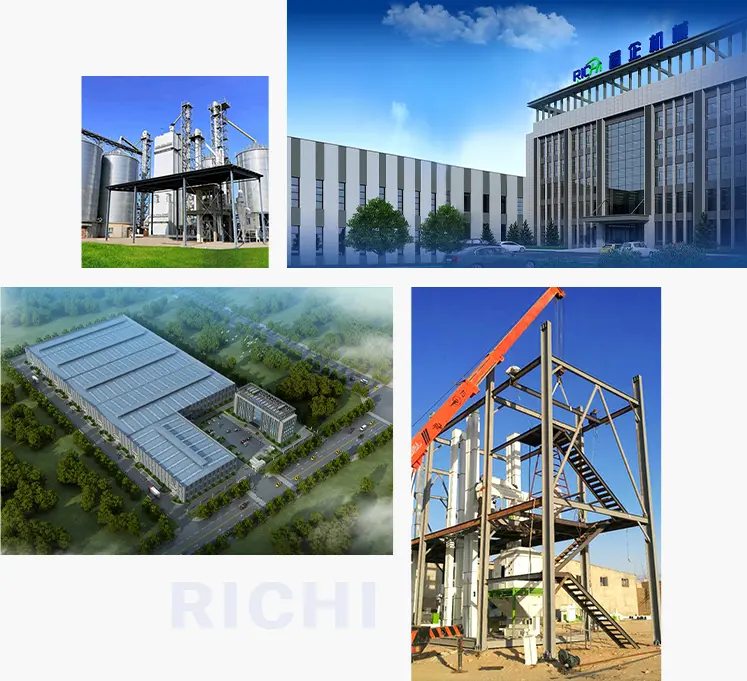
RICHI specializes in feed production solutions and feed plant construction projects. We offer turnkey solutions that include equipment design and manufacturing, installation and commissioning, as well as operator training. We also provide comprehensive after-sales support, such as a global spare parts supply, long-term technical guidance, and a one-year warranty.
RICHI MACHINERY
About RICHI
RICHI Machinery was established in 1995 and holds European CE certification, Swiss SGS certification, French BV certification, and ISO 9001 quality management system certification, with a complete international trade system. To better serve our global customers, We have also launched multiple platforms including Alibaba International, Google Ads, Made-in-China.com, and SEO optimization, and own a comprehensive cross-border e-commerce operation system. Up to now, our products have been exported to 140 countries and regions across Europe, the Americas, the Middle East, Asia, Africa, and Southeast Asia, which has earned the trust and recognition of a wide range of customers.
In terms of production, RICHI has a modern production workshop equipped with advanced machinery and technology, which ensures every piece of equipment is manufactured efficiently and with precision. We focus on every production stage, from raw material procurement to finished product shipment after strict quality control to ensure products meet international standards and customer requirements. Our experienced production team can customize equipment according to specific customer needs, so as to meet the usage requirements of different scenarios. Whether it’s small-scale family farming or large-scale shrimp feed plant, we can provide suitable solutions to help customers improve productivity and reduce operating costs.
30+
Years Experience
1000+
Serving customers
140+
Exported countries
2000+
Provided devices
Frequently Asked Questions
We offer free pre-sales consultation services. If you have any questions about this shrimp feed plant solution, please feel free to contact us at any time. If you would like recommendations for a suitable solution, please provide us with your detailed production requirements.
Which types of shrimp feed require a twin-screw extruder?
+
Twin-screw extruders are primarily used to produce high-quality shrimp feed and accommodate a wider range of formulations. The close contact between the twin screws enhances the gelatinization and texture of the shrimp feed, making it easier to digest and absorb.
Additionally, the feed produced exhibits greater stability and water resistance. These features meet the production requirements for high-quality shrimp feed and enhance the competitiveness of your products.
What are the raw material requirements for animal feed production line for shrimp?
+
Our shrimp feed plant solutions are highly adaptable and can accommodate a wide range of shrimp feed raw materials and formulation ratios. This includes common ingredients such as fish meal, corn meal, and soybean meal. The optimal particle size for these powdered raw materials is within 3–5 mm. Our hammer mill meets this requirement.
At the same time, ensuring the consistent quality and cleanliness of raw materials is also key to guaranteeing feed quality. We can provide various types of raw material cleaning equipment, including cylindrical pre-cleaning screens, powder cleaning screens, and more.
How do we produce shrimp feed pellets of different sizes?
+
Our shrimp feed pellet machine can produce pellets ranging from 0.3 to 3 mm in diameter. Different pellet diameters can be achieved by replacing the ring die with one of varying pore sizes.
The length of the pellets can be adjusted by changing the gap between the cutting blades and the ring die. We provide a lifting system for large-sized ring dies. We have also designed a convenient blade adjustment mechanism.
How long does it take for a shrimp feed plant to break even?
+
Our equipment and solutions offer highly efficient and energy-saving production capabilities, enabling a high return on investment and a quick return on investment. Assuming normal operations, this solution can recoup its costs within 1 to 2 years.
In particular, high-capacity and highly automated solutions offer an even higher return on investment. They have lower unit production costs and labor costs, thereby increasing profit margins. Of course, choosing the right production solution is the key to long-term profitability.

