
 +86 14769960951
RICHI MACHINERY
Sinking Fish Feed Extruder Machine
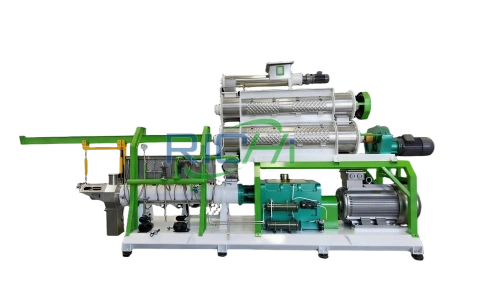
This sinking fish feed extruder machine is available in a variety of configurations and production capacity models. It is capable of producing sinking and slow sinking pellets feed that are water-resistant, nutritionally balanced, and easily digestible. We offer both single-screw and twin-screw extruders to meet diverse production needs. Production capacities range from 0.2 to 10T/H and above. We also provide customized extruder and production line solutions.

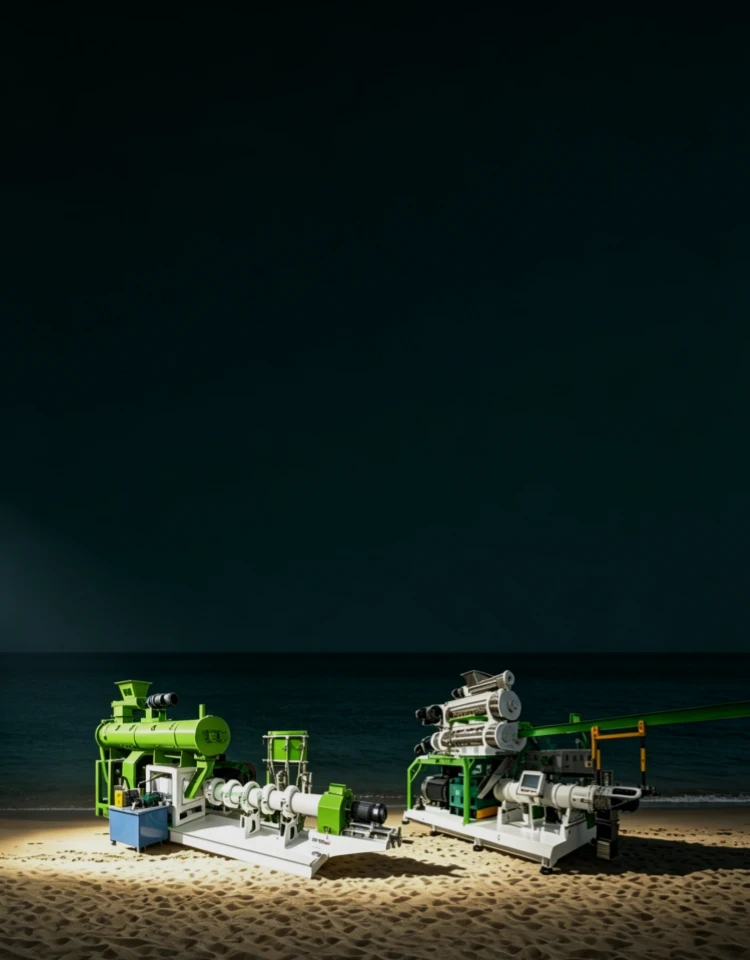
High-Quality Sinking Feed Processing
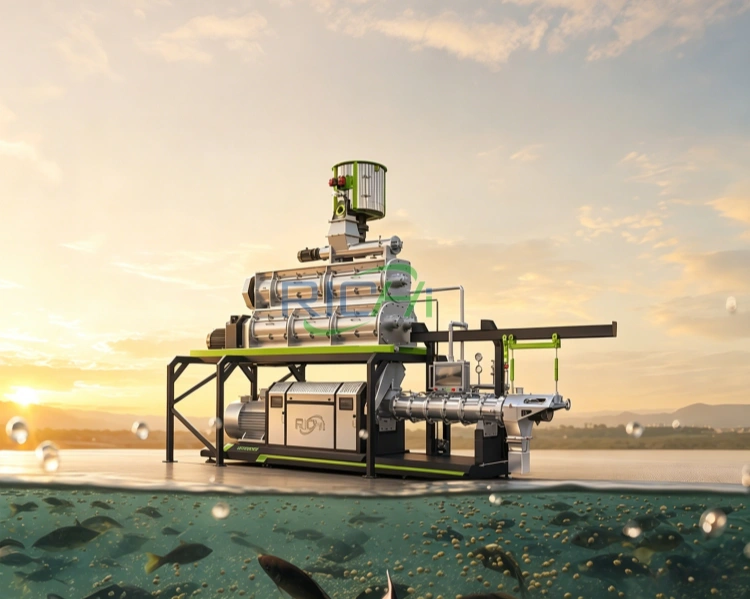
The sinking fish feed extruder machine is specifically designed for the production of sinking feed. It processes raw materials through a high-temperature extrusion process to produce high-density sinking pellets with low expansion rates. Feed produced using a twin screw extrusion machine retains its shape in water for at least 2 hours without disintegrating, thereby reducing feed waste and water pollution.
The extruder uses a conditioning system to steam-cook powdered ingredients, which are then subjected to high-pressure extrusion via screws and die. This process gelatinizes the starch and denatures the proteins, thereby improving the feed’s water resistance and promoting digestion and absorption.
Compared to standard feed pellet machine, this model places greater emphasis on high-temperature conditioning, stable compression, and water resistance of the pellets. It ensures consistent pellet density and prevents the issue of pellets “half-floating, half-sinking.”
CE-certified, the equipment is equipped with Siemens motors and SKF bearings. It supports continuous feeding, continuous conditioning, and continuous discharge, and can be integrated into a complete production line, making it suitable for commercial feed production.
types of extruder pellet machine for sinking fish FEED
We offer the following equipment options to meet the specific production needs of our customers. Each is designed for different feed formulations and production scales. We can also provide customized solutions and auxiliary production systems tailored to your specific requirements.
single screw vs twin screw extruder
All three types of sinking fish feed extruder machines are suitable for producing sinking feed. Click the button below for detailed information, or feel free to contact us at any time to discuss your production needs.
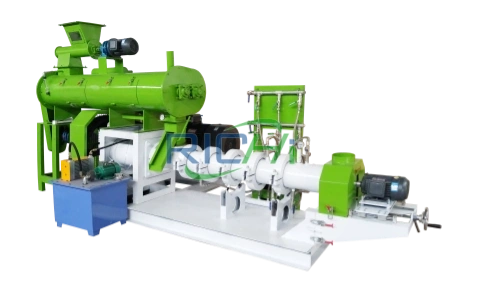
Dry type fish feed extruder
This machine is a basic-configuration extruder. It features a simple design, is easy to operate, and is cost-effective. The machine does not require an external steam supply; instead, it generates heat through screw friction, ensuring the nutritional content and digestibility of the feed. It is suitable for small and medium-sized aquaculture farms and start-up aquatic feed pellet plants.
Capacity: 0.2-1.0 T/H
Screw Diameter: 90-160 mm
wet type fish feed extruder
This equipment requires connection to a steam system to create a higher-temperature steam environment, thereby achieving a higher degree of feed conditioning. Feed produced in this manner has a high formation rate and is more easily digested and absorbed. The equipment is suitable for both continuous production needs and the production of high-quality singking feed.
Capacity: 0.5-1.0 T/H
Screw Diameter: 90-135 mm
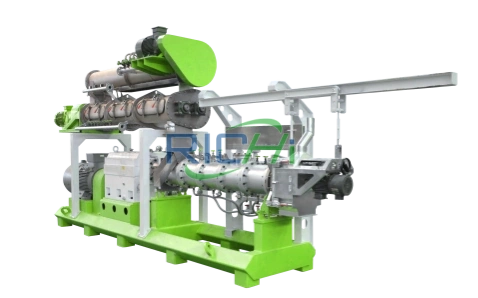
Equipped with two speed-adjustable extrusion screws, this is an upgraded extruder. The two screws run in close contact, resulting in superior conditioning and shearing effects. It can process a wider range of feed formulations, including sinking, slow-sinking, and those with high protein and fat content. This extruder delivers both quality and high production capacity.
Capacity: 0.5-12.0 T/H
Screw Diameter: 75-185 mm
Model Selection for sinking fish feed extrusion machine
We have designed different capacity models for each extruder. They can be used in production line systems with capacities ranging from 0.2 to 40 T/H and beyond. Die diameters range from φ0.6 mm to 20 mm, making them suitable for all common types of aquafeed. As we continue to develop RICHI technology, we will introduce additional configuration options. Please feel free to contact us with your production requirements.
sinking fish feed machine with single screw
| Model | DGP-90B | DGP-120B | DGP-160B | DSP90-B | DSP135-B |
| Main Motor Power (kW) | 37 | 55 | 90 | 37 | 75 |
| Feeding Power (kW) | 0.75 | 202 | 3 | 7.5 | 7.5 |
| Cutting Power (kW) | 0.55 | 1.1 | 1.5 | 1.1 | 1.5 |
| Screw Diameter (mm) | 90 | 120 | 160 | 90 | 135 |
| Overall Dimensions (mm) | 2100*1450*1350 | 2400*1950*1600 | 3100*2650*1800 | 2600*1600*1900 | 3750*1980*1950 |
| Capacity (T/H) | 0.2-0.4 | 0.5-0.6 | 0.8-1.0 | 0.5-0.6 | 0.8-1.0 |
sinking fish feed machine with twin screws
| Model | SPHS75x2 | SPHS120*2 | SPHS120*2 | SPHS150*2 | SPHS185*2 |
| Main Motor Power (kW) | 55 | 90 | 110 | 200 | 355 |
| Screw Diameter (mm) | 75 | 120 | 120 | 150 | 185 |
| Feeder Power (kW) | 1.5 | 1.5 | 1.5 | 1.5 | 2.2 |
| Conditioner Power (kW) | 7.5 | 11 | 11 | 11 | 11 |
| Differential Conditioner Power (kW) | 11 | 11 | 11 | 15 | 15 |
| Capacity (T/H) | 0.5-1.0 | 1.5-2.0 | 3.0-4.0 | 5.0-6.0 | 10-12 |
woking Video Of sinking fish feed extruder machine
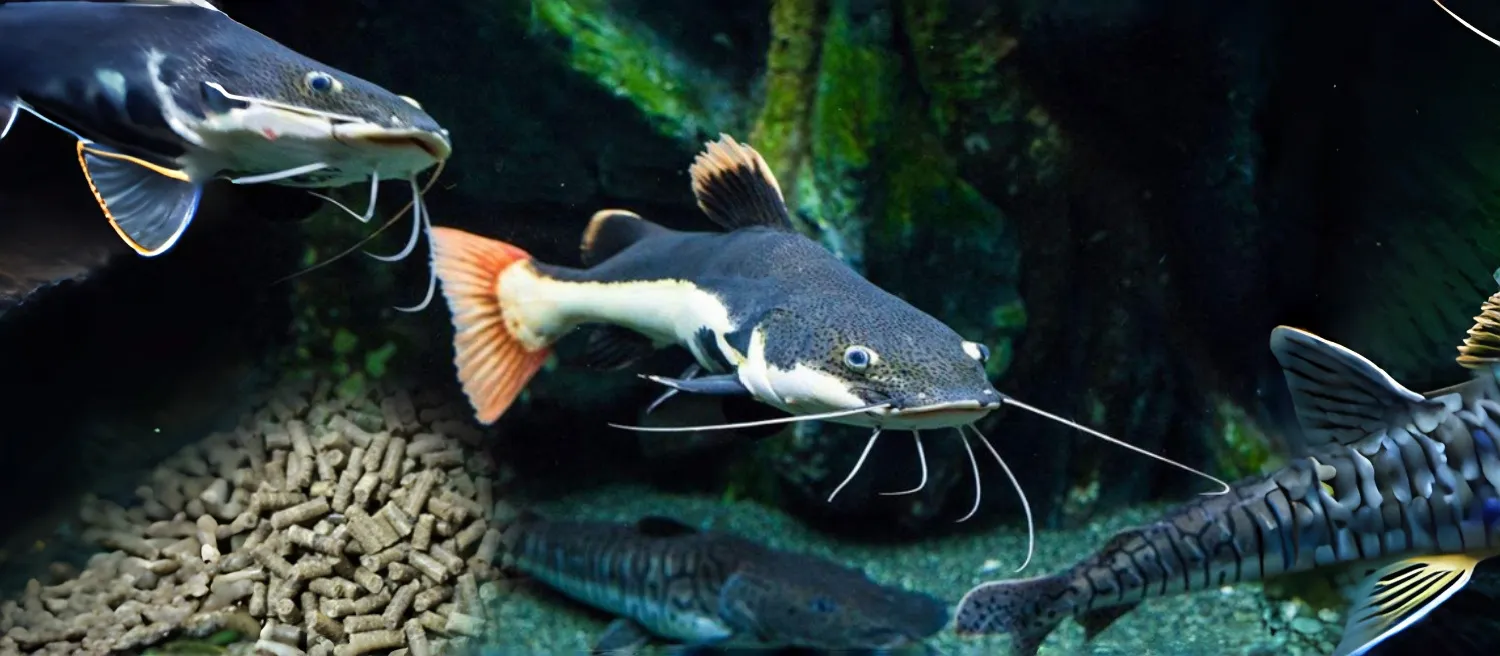
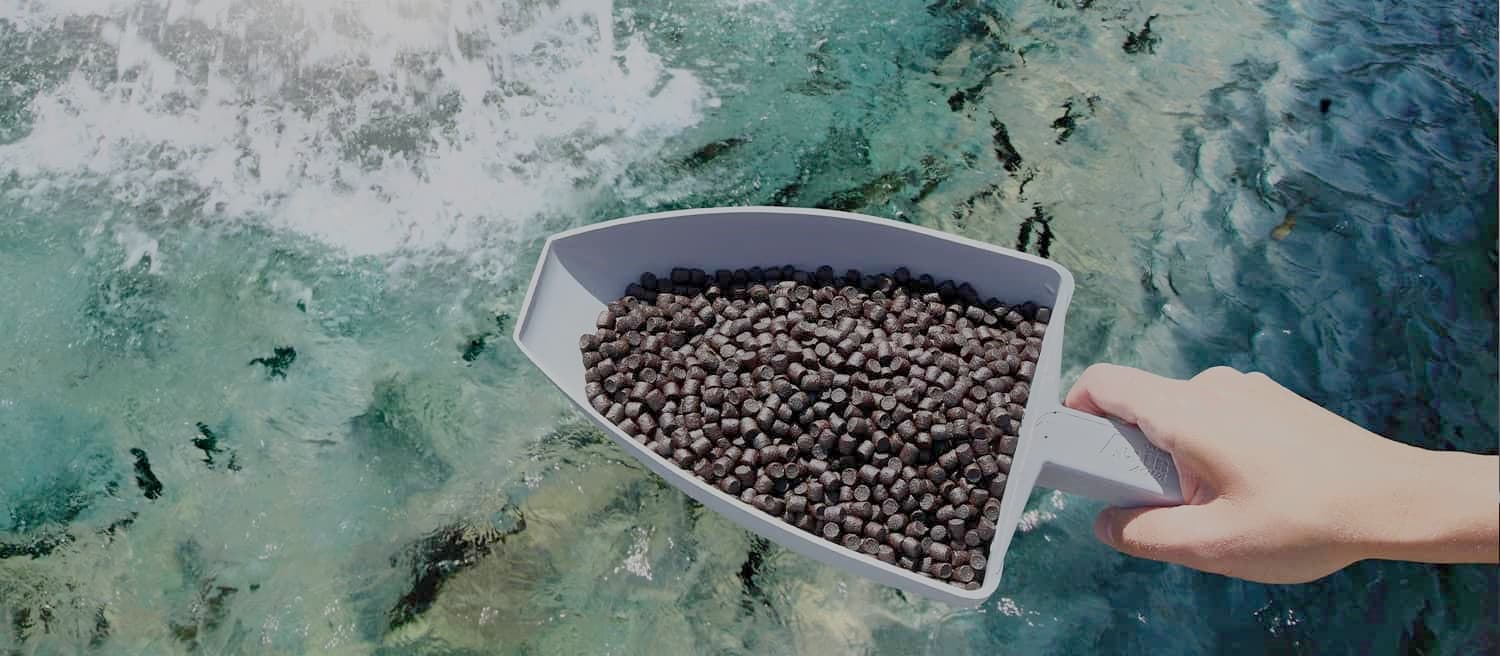
Below is an overview of how our extruders perform in various sinking feed projects. In actual operation, both single-screw and twin-screw extruders deliver high-quality production results. We will provide appropriately sized dies and make reasonable parameter adjustments based on specific production needs.
Advantages
OF sinking fish feed pellet extruder
The most common issues in aquafeed production include pellets that crumble easily, water quality contamination, and poor palatability. Some extruders frequently become clogged during production due to poor raw material processing capacity. Our sinking fish feed extruder machine offers high performance and can resolve all these issues at once.

Easy to Operate
Our extruders feature a high level of automation, which enhances production efficiency. Each model can be equipped with a PLC touchscreen control system, enabling one-touch production. In the fish feed production line, upstream and downstream processes are seamlessly integrated, making operation simple and intuitive.
Easy Maintenance
Thanks to the easy-access design, wear parts can be inspected at any time, allowing for effective maintenance or replacement. The entire unit utilizes wear-resistant materials, reducing the frequency of maintenance. The die is simple to replace; simply swap out dies with different hole diameters to produce feed pellets of varying sizes.
Stable Production Capacity
The equipment is equipped with a gear drive system that prevents slippage and speed loss, ensuring stable output. Shear forces are evenly distributed within the extrusion chamber, significantly increasing output per unit. Taking the SPHS120 as an example, it is sufficient to meet the daily feed needs for a 20–30-mu fish pond within 8 hours.
Greater Durability
All dies are made of high-hardness alloy steel. They undergo vacuum heat treatment, resulting in high wear resistance and the ability to operate reliably for longer periods even under harsh conditions, such as when processing highly abrasive materials. This significantly reduces maintenance costs and improves return on investment.
Excellent Feed Water Resistance
The twin-screw fish feed extruder features a fully meshed, zero-backlash twin-screw design. Combined with high-temperature steam, this ensures thorough starch gelatinization, significantly improving the water resistance of the pellets. Once submerged, the fish feed remains intact for at least 2 hours, preventing waste and maintaining water quality.
Supports Multiple Formulations
Our equipment can process not only floating fish feed but also sinking aquatic feed, livestock feed, and poultry feed. In particular, the twin screw extrusion machine is capable of handling specialized fish feed and pet food formulations that require higher protein and fat content.
sinking FISH FEED production line
The sinking fish feed extruder machine is the heart of a fish feed production line. However, only through the coordinated operation of the entire line can optimal product quality be ensured. We offer comprehensive production line solutions, covering everything from raw material reception, pellet extrusion, to finished product packaging. This solution can accommodate production capacities ranging from 0.2 to 40 T/H and beyond. We also provide customized process flows and turnkey services.
01 Raw Material crushing
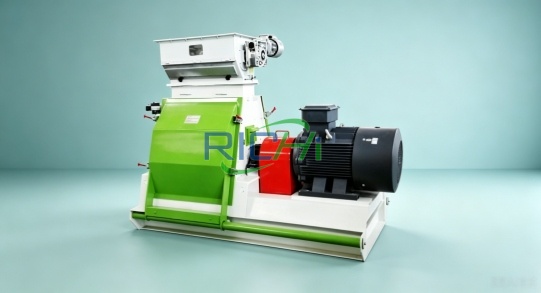
A hammer mill crushes fish feed raw materials such as corn and soybean meal to the appropriate particle size. Some fish feeds (such as those for sturgeon and rainbow trout) may require ultra-fine grinding to improve particle fineness and enhance the fish’s digestion and absorption rates.
Equipment: Raw Material Crusher, Ultra-fine Grinder
02 Raw Material Mixing
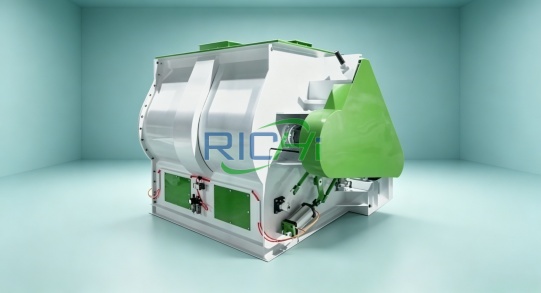
An electronic automatic batching system can be installed in this section. It accurately measures ingredients according to the formula. The use of a twin-shaft paddle mixer ensures a more even distribution of nutrients in the feed.
Equipment: Twin-Shaft Paddle Mixer
03 Extrusion
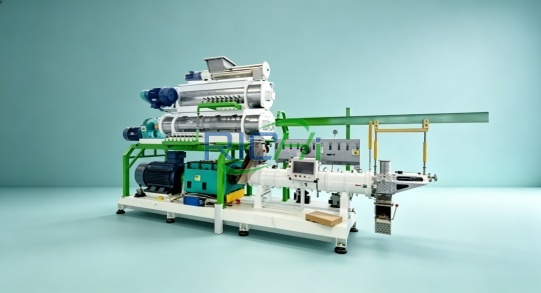
This section can house sinking fish feed extruder machines of various models. The raw material is thoroughly conditioned inside the extruder and extruded into high-density, sinkable pellets using an appropriate ring die compression ratio, then cut to length by a cutting blade.
Equipment: twin screw extrusion machine, Single screw extruder machine
04 feed drying
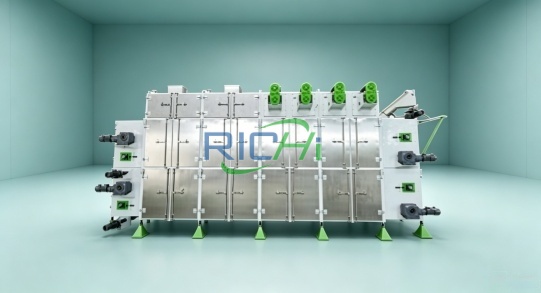
Extruded pellets typically have a high moisture content, which is not conducive to storage. This process reduces the moisture content of the extruded fish feed, thereby improving the structural strength of the pellets and extending their shelf life.
Equipment: Belt Dryer Machine
05 feed spraying
Through this process section, oils, fish oil, and palatability enhancers can be added to the surface of the feed. The typical oil application rate is 2%–10%. This process improves the palatability and nutritional value of extruded fish feed.
Equipment: Spraying Machine, Vacuum Coating Machine
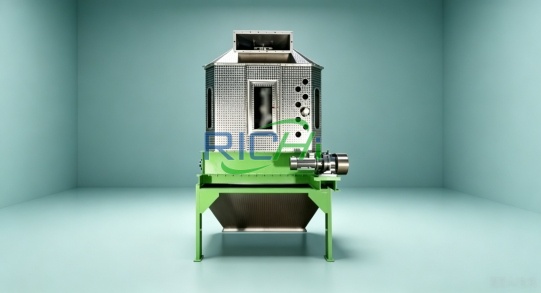
06 feed Cooling
This section is equipped with a counter-current cooler that reduces the pellet temperature from 70–80°C to room temperature plus 3–5°C. It features a high level of automation, effectively minimizing pellet loss.
Equipment: pellet cooling machine
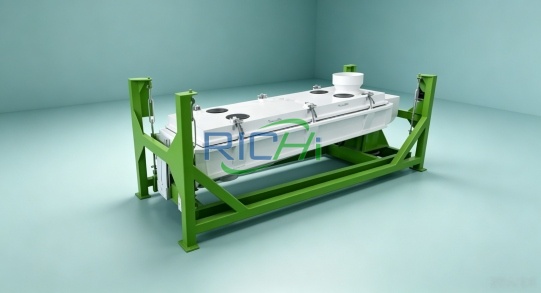
07 feed screening
The screening machine removes dust from the surface of the extruded pellets. It also sorts them into 2–3 different sizes. This section can be integrated with the cooling section to save space.
Equipment: Vibrating Screen, Rotary Classifying Screen
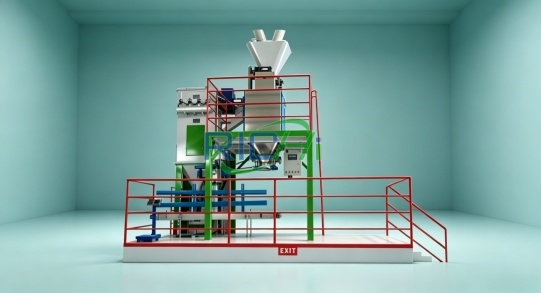
08 feed Packaging
The screened sinking fish food pellets are stored in a grain silo, where they await batch weighing on an automatic packaging scale before being sealed and packaged.
Equipment: Packaging scale
global casea of the fish feed extruder
RICHI feed machinery has been exported to more than 140 countries and regions worldwide. Throughout this journey, our machinery has proven its reliability in real-world conditions involving diverse raw materials, varying climates, and different levels of operational expertise. Please feel free to share your production needs anytime—we will provide tailored recommendations.
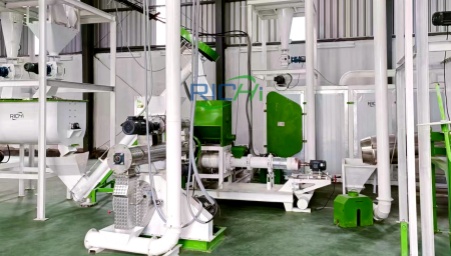

0.5-0.6 T/H Sinking Fish Feed Extruder for Sale in Bangladesh
This is a simple production line solution. The setup includes a single-screw wet extruder designed to produce sinking feed and slow sinking pellets. It offers strong adaptability to various raw materials and can produce feed for carp, catfish, and other species. The pelletizer is capable of meeting the customer’s other feed production needs.
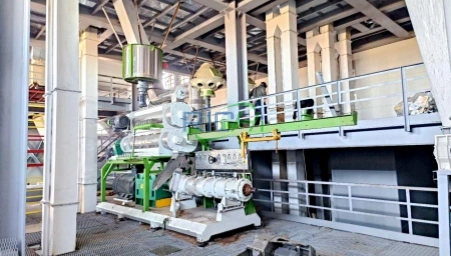

5 T/H Sinking Fish Feed Extrusion Machine for Sale in Uzbekistan
This solution is designed to produce freshwater fish feed, such as sinking catfish feed and sinking koi feed. We have provided the customer with a medium-capacity production system that includes a twin-screw extruder and other equipment. The line features a high degree of automation, ensuring efficient and cost-effective production.
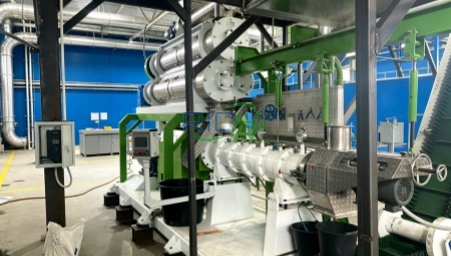

2-3 T/H Sinking Fish Feed Extruder Machine for Sale in Vietnam
The customer needs to produce highly stable sinking feed for basa and tilapia. This extruder is a twin-screw configuration, capable of handling high-protein feed formulations to meet the customer’s high-quality feed demands. The solution also includes animal feed granulator for producing aquafeed of various specifications.
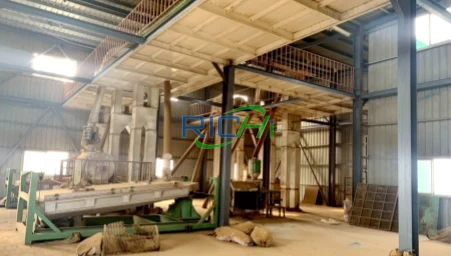

5 T/H Sinking Fish Feed Machine for Sale in Brazil
The customer is a tilapia farming cooperative. They selected the SPHS150×2 extruder. This equipment enables them to independently produce high-quality tilapia feed using local raw materials such as corn, fish meal, and rice bran. The customer has full control over the pellet quality, density, buoyancy, and oil content.
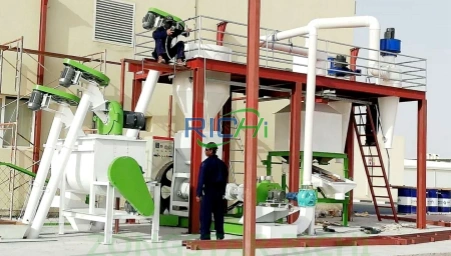

1-1.5 T/H sinking fish feed extruder machine for Sale in Indonesia
The feed produced in this project primarily meets the nutritional needs of freshwater fish such as tilapia and catfish. To accommodate the high-fiber palm kernel meal commonly used in Indonesia, the extruder’s compression ratio and formulation process were adjusted. The pellet formation rate remains stable at over 95%.
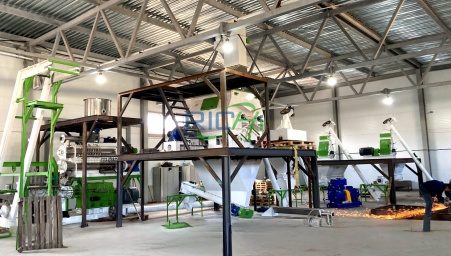
2 T/H Sinking Fish Feed Pellet Extruder for Sale in Russia
We designed a customized solution for this client. This sinking fish feed line includes a raw material processing system, a twin-screw extruder, and a fully automatic packaging system. The entire line officially commenced operations at the end of 2023. The plant has already received a large volume of orders.
Why Choose RICHI Machinery?
A Professional and Leading Manufacturer
RICHI MACHINERY owns CE/ISO/BV certifications. We can offer feed pelletizers, sinking fish feed extruder machine, and biomass pelletizing equipment. With over 30 years of manufacturing expertise and project experience spanning more than 140 countries and regions, we provide global customers with machinery services.
For more efficient service, we have established a specialized service system. By combining pre-sales and after-sales support with both online and offline channels, we provide you with the most comprehensive equipment services.
From initial consultation to final production launch, RICHI provides a one-stop, end-to-end, standardized project service system that saves you time and effort throughout the process, ensuring the smooth implementation and stable operation of your pelletizing project.
Customized Solutions

Customers need only provide information such as production capacity needs, raw material formulations, and site conditions. RICHI’s technical team will then develop a customized production plan and provide process flow diagrams and equipment lists.
Complete Turnkey Project

A one-stop solution covering factory layout planning, on-site construction, export customs clearance, end-to-end logistics, safe delivery, equipment installation, commissioning, operator training, and after-sales service.
After-Sales Support

We dispatch professional engineers to the site to oversee installation and commissioning, and provide comprehensive operational training. We offer lifetime technical support and rapid supply of replacement parts.
Frequently Asked Questions
We offer free consultations regarding this production solution. Below are answers to the most frequently asked questions, compiled from our actual interactions with clients. We’ve provided clear, straightforward answers to each one to help you quickly form accurate expectations about the equipment. If you’d like to learn more about specific production solutions, please feel free to contact us at any time.
–
What is the difference between a sinking fish feed extruder and a fish feed pellet making machine?
The two differ in their production methods and applications. A sinking fish feed extruder uses high temperature and pressure within the screw to gelatinize the material, ultimately producing feed through expansion. It ensures the feed is palatable, nutritionally balanced, and easy to digest and absorb. It is suitable for high-end aquaculture feed formulations.
In contrast, fish feed pelletizers use a three-stage conditioner to gelatinize the material. The material is then extruded and shaped by an annular die. This production method is simpler and more cost-effective. Therefore, it is better suited for producing standard sinking feeds, such as carp feed and grass carp feed.
–
Will raw materials with a high fish meal content affect the extrusion results?
Yes, it will. Fish meal naturally contains oils, which act as a lubricant in the ring die holes; however, excessively high oil content can result in pellets that are too soft and have reduced water resistance.
We recommend controlling the proportion of added fats in the formulation or adopting a post-coating process—first pelletizing the powder, then spraying fish oil or other fats onto the pellet surface. RICHI provides compatible post-coating equipment, allowing customers to make flexible choices based on their formulations.
–
How to select the right model of sinking fish feed extruder machine?
First, calculate the daily feed production requirement in tons, divide it by the planned daily operating hours to determine the required hourly output, and then allow for a 10%–20% margin.
The SPHS1202 is suitable for fish ponds requiring 1–2 tons per hour for on-site use; the SPHS1502 is suitable for aquafeed mills requiring 5–6 tons per hour; and the SPHS185*2 is suitable for large-scale production lines requiring 10–12 tons per hour or more. Typically, multiple extruders can be connected in parallel to achieve higher output per unit.
–
What is the appropriate length for sinking fish feed pellets?
The length of sinking pellets is generally best kept between 1.5 and 3 times their diameter. For example, for 3mm fish feed, a pellet length of 4.5–9mm is appropriate; pellets for fry can be slightly shorter. RICHI’s cutting blades use a stepless variable-speed soft blade mechanism, allowing for precise control of cutting length and ensuring a smooth, burr-free cut surface. Customers can adjust the settings at any time to suit different fish species and growth stages.
–
What is the warranty and after-sales service like for the sinking fish feed extruder machine?
We offer a 1-year warranty for non-human-caused defects, followed by lifetime maintenance; repairs are charged only for replacement parts. Ruiqi has over 30 years of experience in feed machinery manufacturing, with products exported to more than 140 countries and regions worldwide, and has served over 2,000 project clients.
For production line projects, we dispatch engineers to provide on-site guidance for installation and commissioning upon equipment delivery, along with operator training and technical documentation.

