
wood pellet Mill canada
Project Name
wood pellet mill for sale canada
Capacity
2 T/H
The wood pellet machine Canada project specifically addressed the issues of inconsistent moisture content and irregular dimensions across different batches of wood. Furthermore, by installing two medium-capacity ring-die pellet mills, stable and efficient production was achieved.

Project Overview
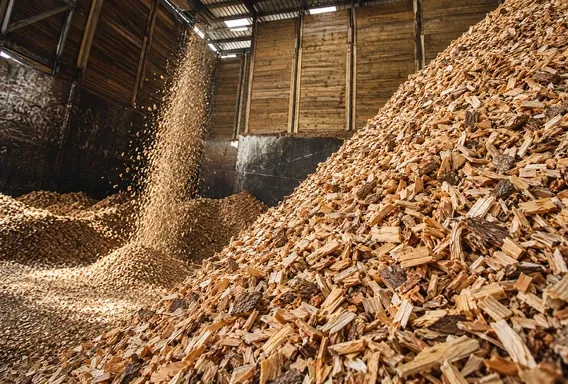
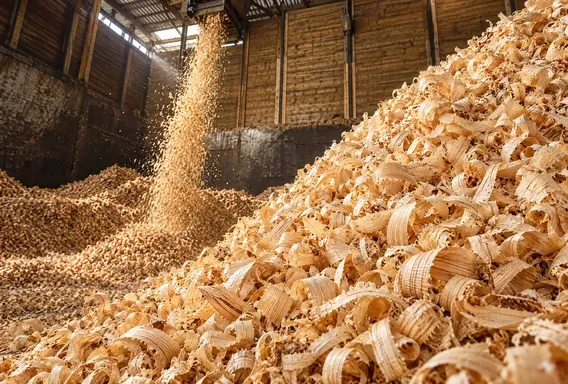
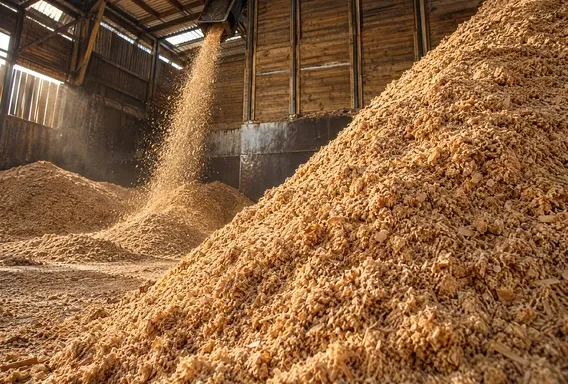
The abundant timber resources in Canada have fuelled the growth of the timber processing industry. Many wood pellet producers operate using low-cost raw materials such as sawdust, wood shavings, bark and wood chips generated by sawmills and the timber processing industry. Consequently, our client is also planning to invest in this medium-sized wood pellet plant.
During the initial phase of the wood pellet mill Canada project, our client visited RICHI, discussed the project requirements in detail. They hoped the project would enable the flexible processing of their various types of wood waste, ensuring a supply of fuel for their own use and commercial sale. Ultimately, an agreement was reached covering services such as customised equipment, factory direct delivery, on-site installation and operational training.
Production Site
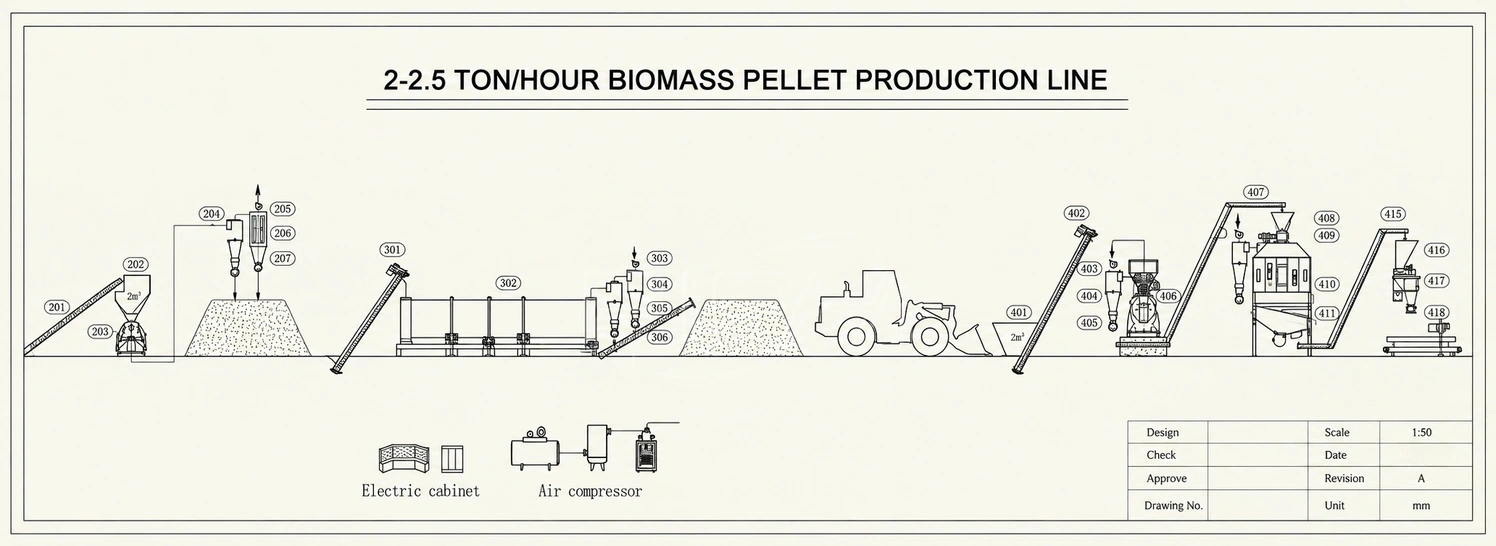
Crushing Section
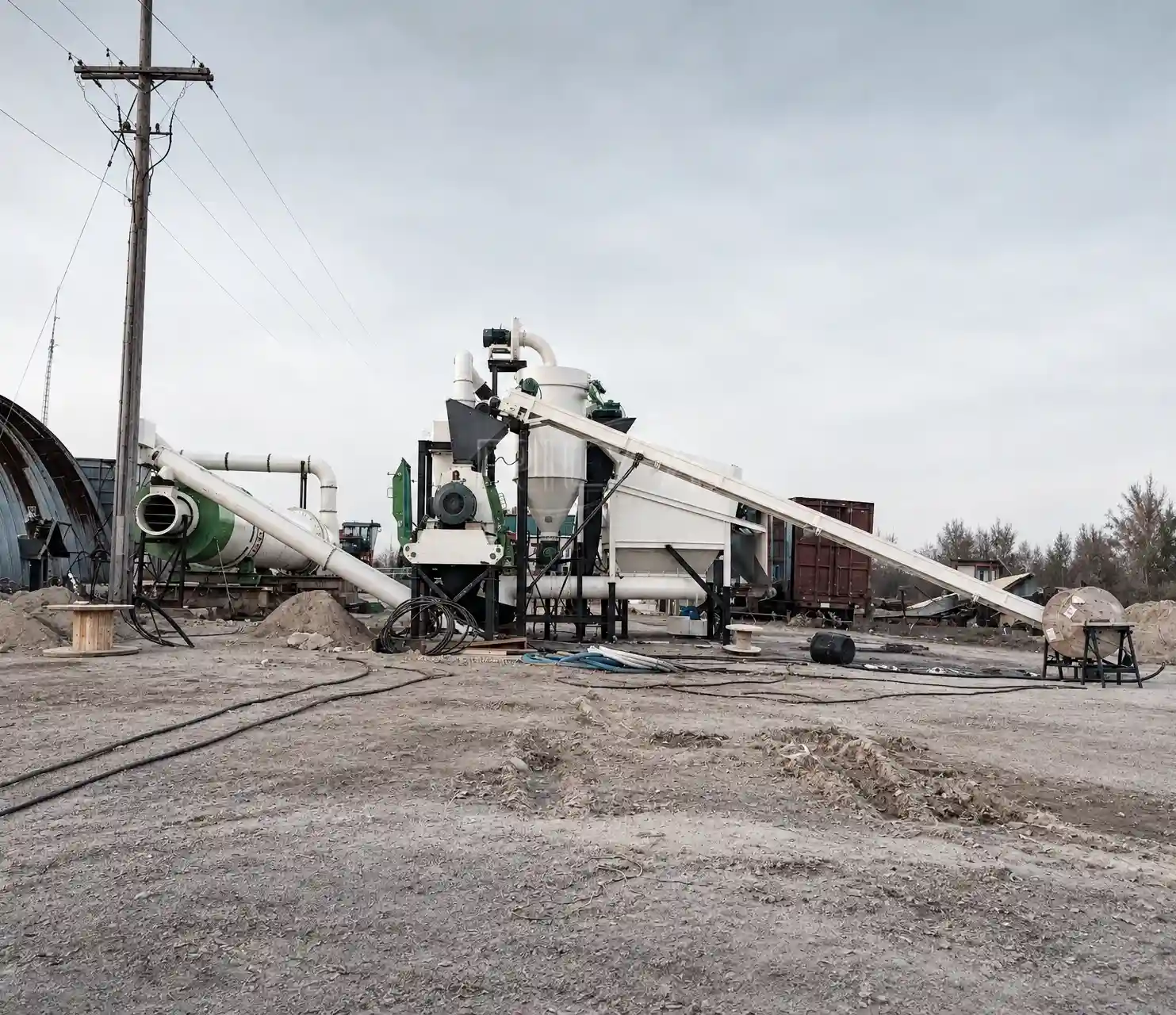
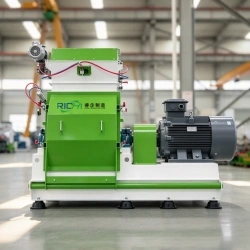
This wood pellet machine Canada project uses pine and spruce sawdust as its primary raw materials. The ideal particle size for processing is around 3–5 mm, so further crushing is required. As the material is smaller than 5 cm, this crushing stage is equipped solely with a fine wood hammer mill. For operational convenience, the material is fed into the crusher via a belt conveyor.
Cleaning Section
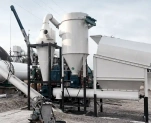
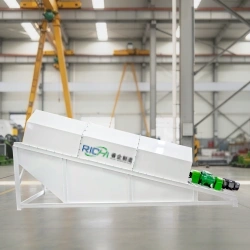
Wood processing materials may be contaminated with impurities such as sand, stones, plastic and rope. This drum cleaning screen is required to control the particle size and purity of the raw materials, preventing wear and tear on downstream equipment. A pulse dust collector has also been installed to control dust. Furthermore, the hammer mill features an iron removal plate to capture iron filings and other impurities from the material.
drying Section
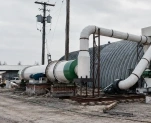
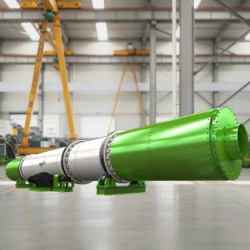
As mentioned by the client, material moisture content is inconsistent due to differing batches of timber processing. As there are no space constraints at this site, a single-stage drum dryer has been installed. This is a common configuration for the wood pellet mill Canada project. It utilises wood processing waste as a heat source, with heat supplied via a biomass burner and a hot-air furnace.
pelletizing Section
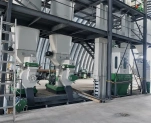
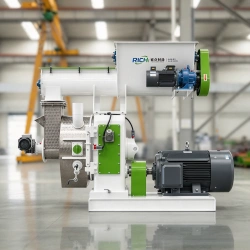
Our biomass pellet mills have a production capacity ranging from 0.2 to 4.0T/H. This wood pellet production line Canada is equipped with two MZLH420 wood pellet machines. Customers can replace the ring dies and adjust the cutter positions themselves to produce wood chip pellets of different diameters and lengths. A feed hopper is installed above each pellet mill to facilitate the connection to the drying section and prevent downtime.
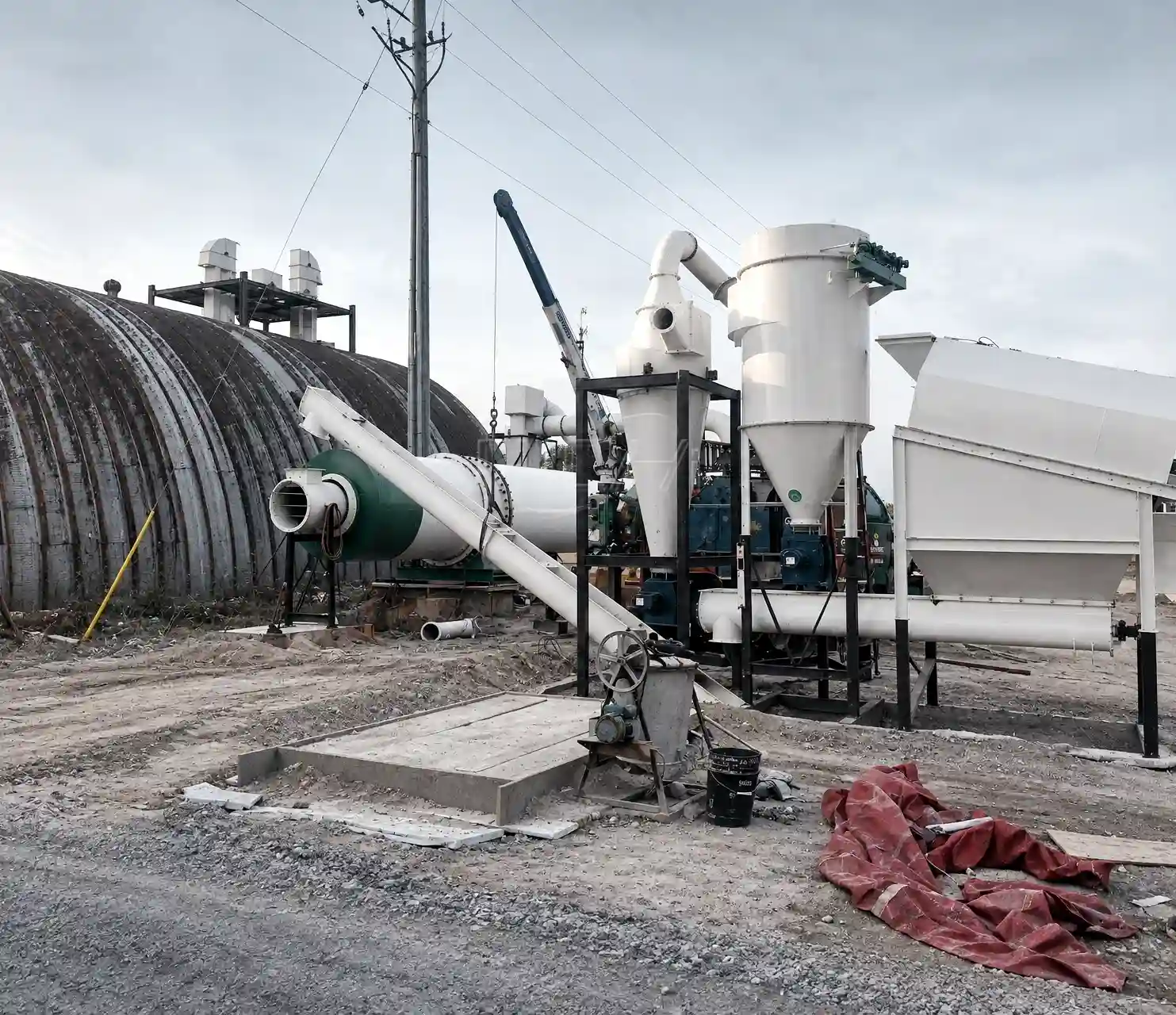
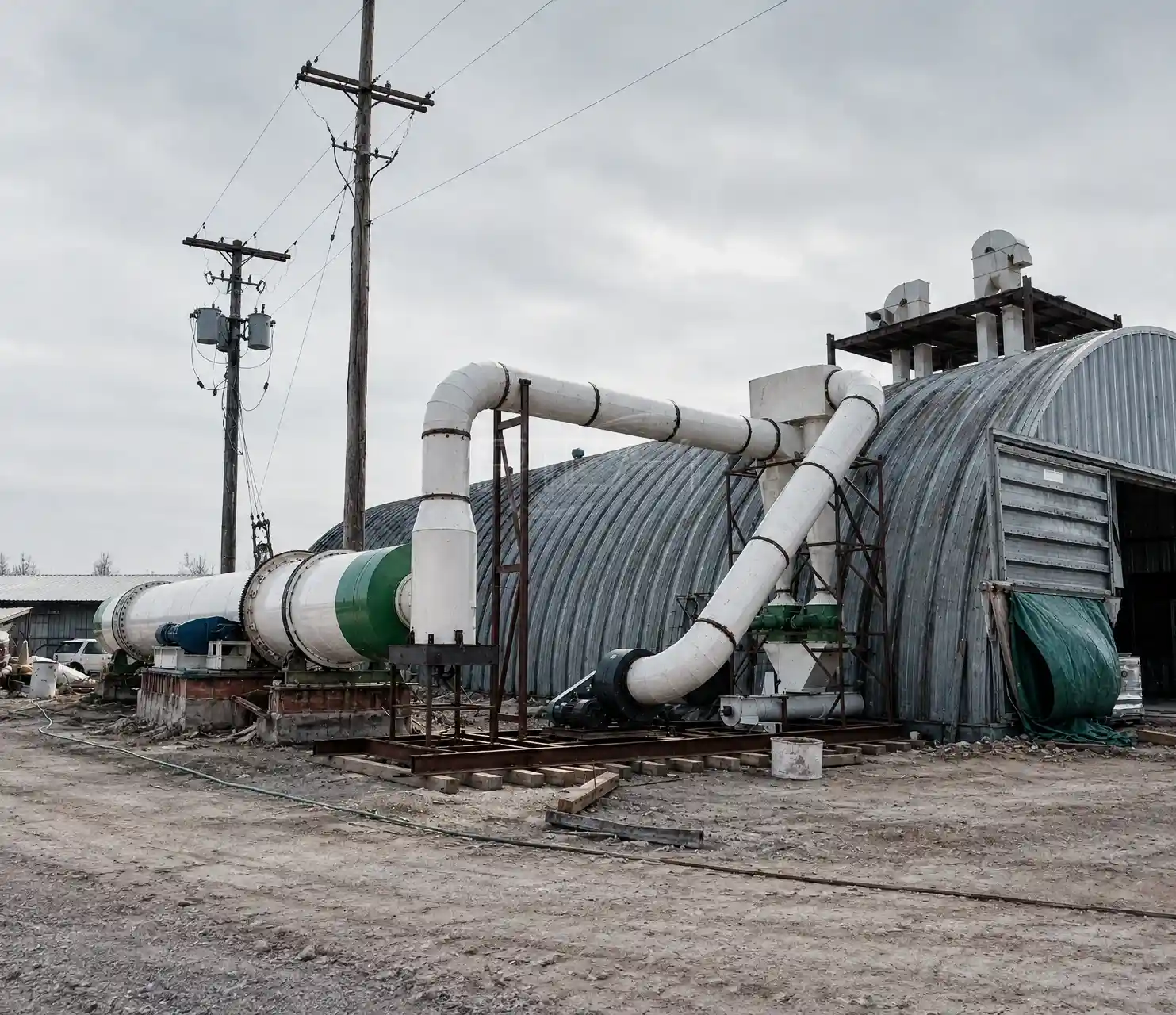
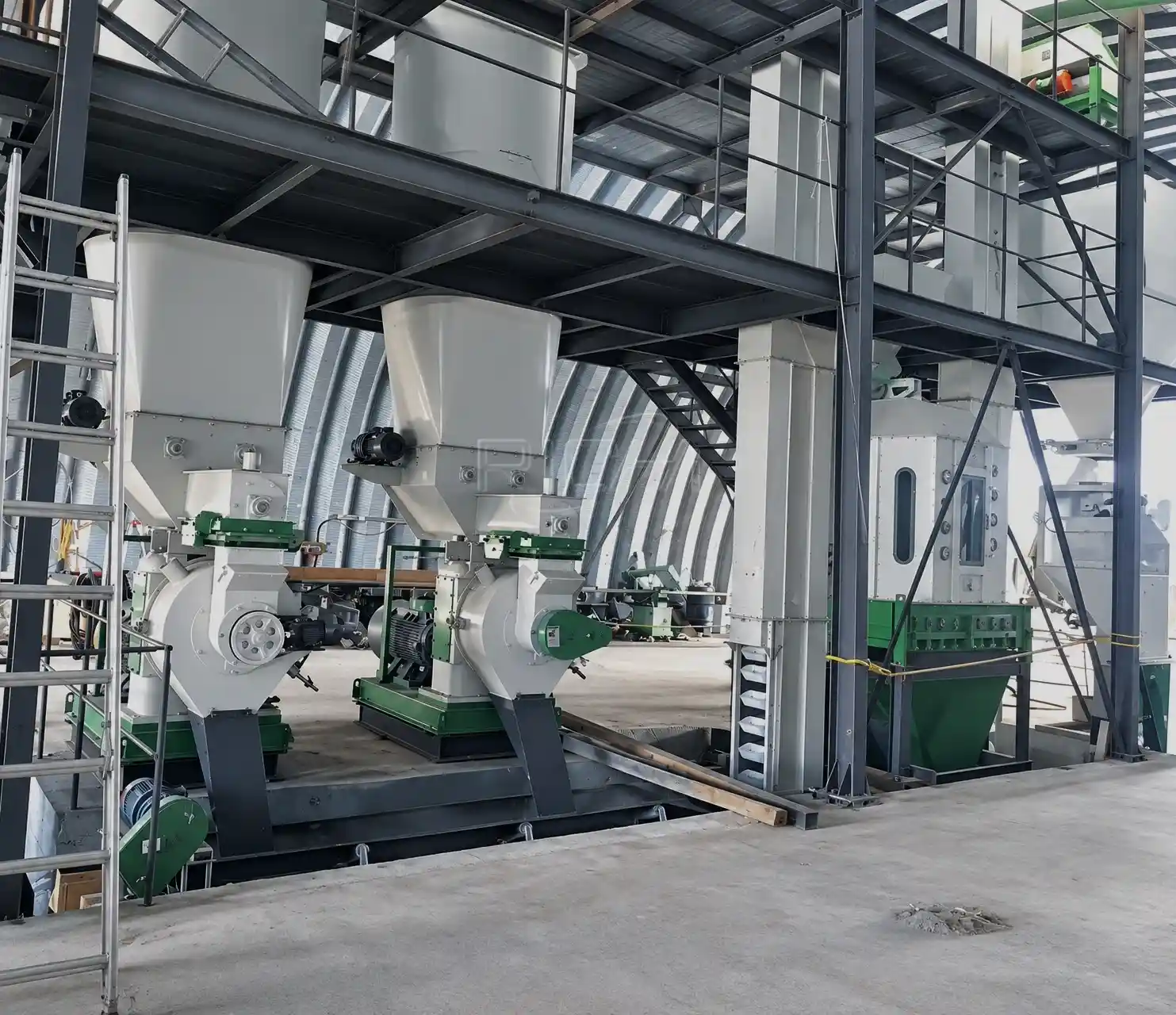
Advantages of Wood Pellet Mill Canada Project
Advanced wood processing
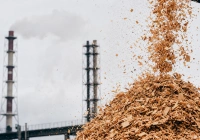
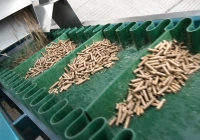
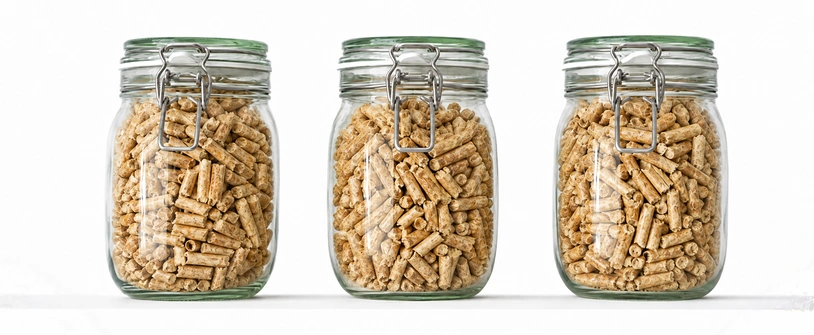
The wood processing industry continuously generates by-products such as sawdust and wood shavings. These materials have little value when sold directly. This wood pellet machine for sale Canada project features a comprehensive processing system, enabling continuous conversion of wood residues into higher-value fuel products.
Flexible Material Handling
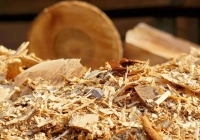
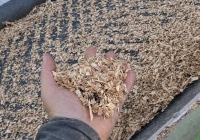
The size of materials varies across different stages of wood processing. Furthermore, the moisture content differs between batches of wood. This project incorporates crushing and drying stages that adapt flexibly to the characteristics of the material. This reduces the risk of unstable pellet structure caused by improper material handling.
Stable return on investment
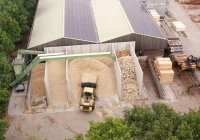
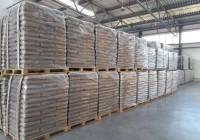
The client is a company whose core business is timber processing. This wood pellet making machine Canada solution aligns with the existing factory layout and the production capacity needs. It will not affect the operation of the existing system whilst enabling the realisation of residual value. It is a project offering a stable and high return on investment.
Consistent product quality
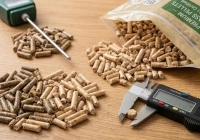
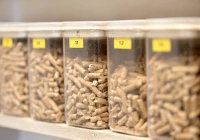
The pellets produced are subject to strict controls regarding moisture content, dust and ash levels, ensuring compliance with environmental standards. The standard 6 mm and 8 mm diameters meet market demand. Consequently, the project assists our client in expanding their clean fuel sales market whilst ensuring a stable and continuous supply.
Customized Process Flow
We provide this production system based on our clients’ requirements, taking into account materials characteristics, production scale and factory layout. To meet the needs of more customers, we offer other customized process flows. All equipment can be tailored in terms of production capacity, specifications, components and material selection. Please feel free to contact us at any time to obtain a bespoke solution about wood pellet mill Canada.
1 Crushing
2 Cleaning
3 Drying
4 Pelleting
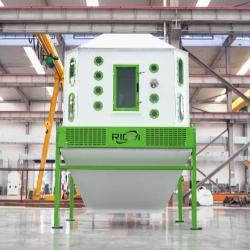
5 Cooling
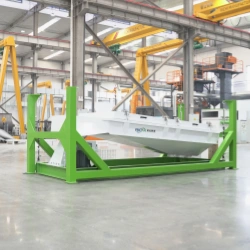
6 Screening
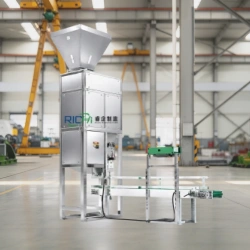
7 Packaging
Similar projects
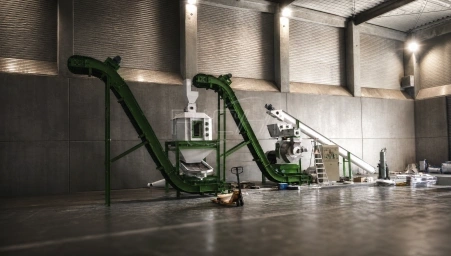
11 T/H wood pellet plant in USA
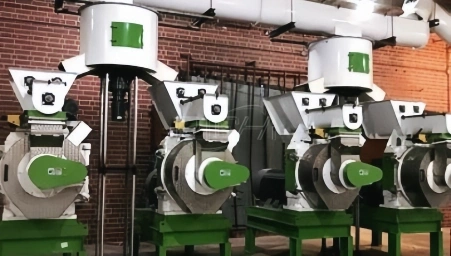
1.5–2 T/H wood pellet production line in Chile
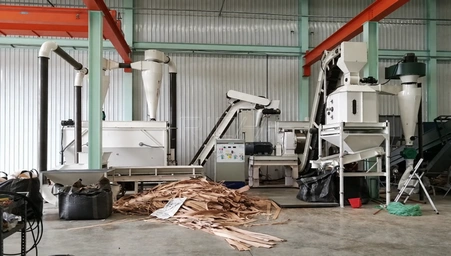
0.2–0.3 T/H wood pellet line in Austria
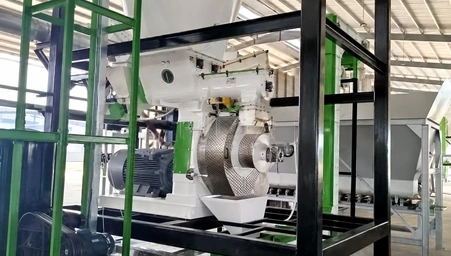
3–4 T/H wood pellet plant in Germany
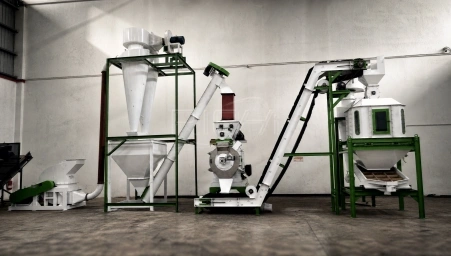
1–2 t/h wood pellet line in Latvia
We provide wood pellet production solutions to clients worldwide. In addition to the wood pellet mill Canada project, we have also supplied similar production solutions to countries such as the USA, Austria, Germany and Chile. These include flexible production systems, customized production lines and turnkey plant construction project cases. Please feel free to discuss your production requirements with us.
Related
production solutions
Beyond the production solution for this wood pellet mill Canada project, we also offer other biomass processing solutions. These include various forestry resources, pasture resources and processing waste from agricultural products. Details are available on request.
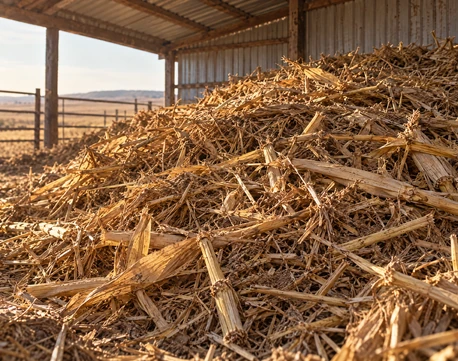
Straw Pellet Production Line
This solution handles various types of crop straw, converting it into high-density fuel pellets. Alternatively, it can be configured with a conditioning and pelletizing process to produce high-fibre animal feed.
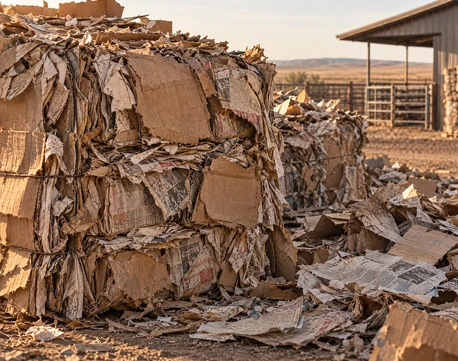
Paper Pellet Production Line
The system can incorporate different process flows to handle recyclable waste paper and paper fibres of various forms and textures. Products include fuel pellets, paper cat litter, and more.
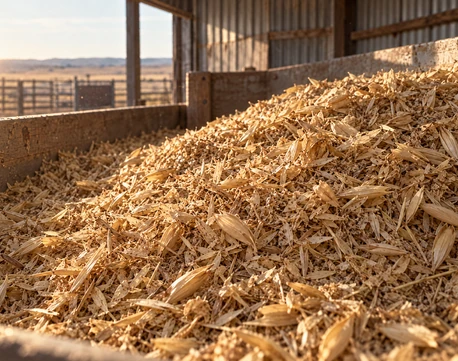
Husk Pellet Production Line
This process can process agricultural and forestry waste such as oat husks, rice husks and coconut shells to produce industrial fuel, animal feed, fertilizer, cat litter and other products.
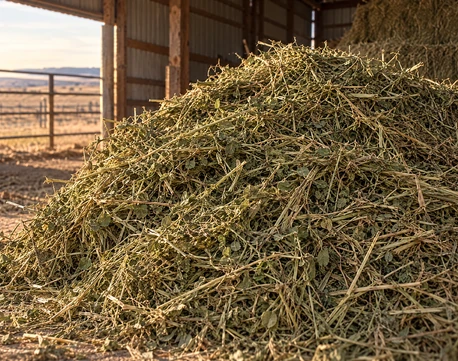
Grass Pellet Production Line
The solution can process forage and hay with varying fibre content and moisture levels. Through customized production processes, it produces animal feed in multiple formulations or fuel.
Service & Support
We are committed to delivering stable, transparent, and consistently high-quality service to customers worldwide. From pre-sales consulting to project delivery and long-term operation support, the RICHI professional team stands with you at every stage to ensure smooth operation and lasting value of your pellet production project.
Pre-sales Services
Customer Inquiries and Visits
Customized Services
Equipment and Production Lines
Factory Shipment
Commissioning and Logistics
Project Services
Installation and Training
After-Sales Service
Long-Term Support and Supply
Long-term Partnership
Technical Guidance and Upgrades

Frequently Asked Questions
Why does the wood pellet mill Canada project require a cleaning section?
As the raw material originates from the timber processing industry, it is highly prone to being contaminated with impurities such as soil, sand, gravel and iron filings. The inclusion of a cleaning section effectively removes these mixed impurities, thereby preventing wear and tear on the pelletiser and ensuring pellet quality. Since the cleaning screen cannot completely remove metallic impurities such as iron filings, we have also fitted a magnetic separator plate to the hammer mill to capture any iron filings present.
Does 2 T/H refer to the output of finished wood pellets or the raw material processing capacity?
This figure refers to the unit output of finished wood pellet. To ensure the final production capacity meets requirements, the capacity of the upstream processing system—such as raw material processing equipment including crushing, screening and drying—needs to be appropriately increased. You can first determine the required hourly output of wood pellets, and then calculate the processing capacity required for the upstream stages.
What is the suitable diameter for wood pellets in the local Canadian market?
Based on our experience with projects in Canada, the most common wood pellet diameters are 6 mm and 8 mm. For environmental reasons, local regulatory authorities have set specific requirements regarding the length, moisture content and combustion ash content of wood pellets. Specific specifications for certain industrial fuels may be determined according to supply requirements. All our wood pellet production line projects in Canada are tailored to customer needs and comply with local environmental policies.
Can both softwood and hardwood sawdust be pelletized in this wood pellet mill Canada project?
Our wood pellet mill Canada projects utilise robust ring dies and a high-compression roller system, making them suitable for pelletizing wood shavings of various textures. This includes softwoods such as spruce, fir and pine, as well as hardwoods such as maple and birch. You may also mix the two types of sawdust for pelletization. If the sawdust particles exceed 3–5 mm in size, further crushing is required.
What production capacity is suitable for a wood pellet plant project in Canada?
Generally, small-scale projects involve a production capacity of 0.5–2T/H. This type of solution is suitable for start-up plants, offering low investment risk and flexible production. For medium-scale projects, we recommend a 3–5T/H solution. These feature a higher level of automation and are suitable for large-scale biomass fuel suppliers. You may further assess raw material supply, plant size, investment budget and market demand to determine your production capacity target.

