
 +86 14769960951
Animal Feed Pellet Mill
Animal feed pellet mill is a high-efficiency machine designed to compress powdered feed materials into uniform, dense pellets for livestock and poultry. It improves feed digestibility, reduces feed waste, and ensures consistent pellet quality. With stable operation, low energy consumption, and easy maintenance, it is suitable for farms and commercial feed mills of various scales.

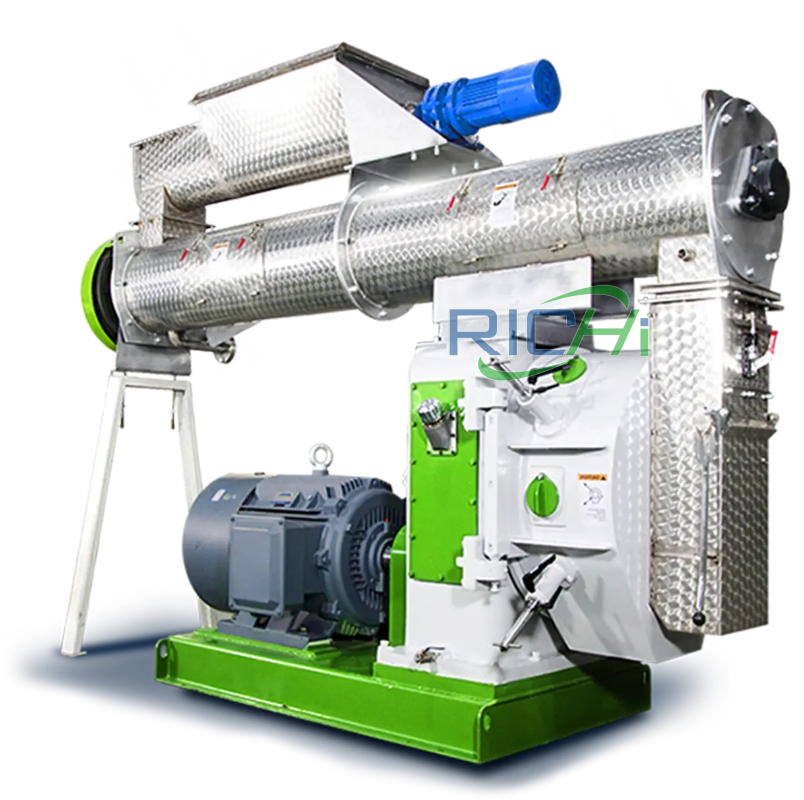
General Introduction for Animal Feed Pellet Mill
An animal feed pellet mill is a key machine used to process feed materials into uniform pellets for animal feeding. It is widely applied in livestock, poultry, and aquaculture feed production and serves as the core equipment in modern feed mills.
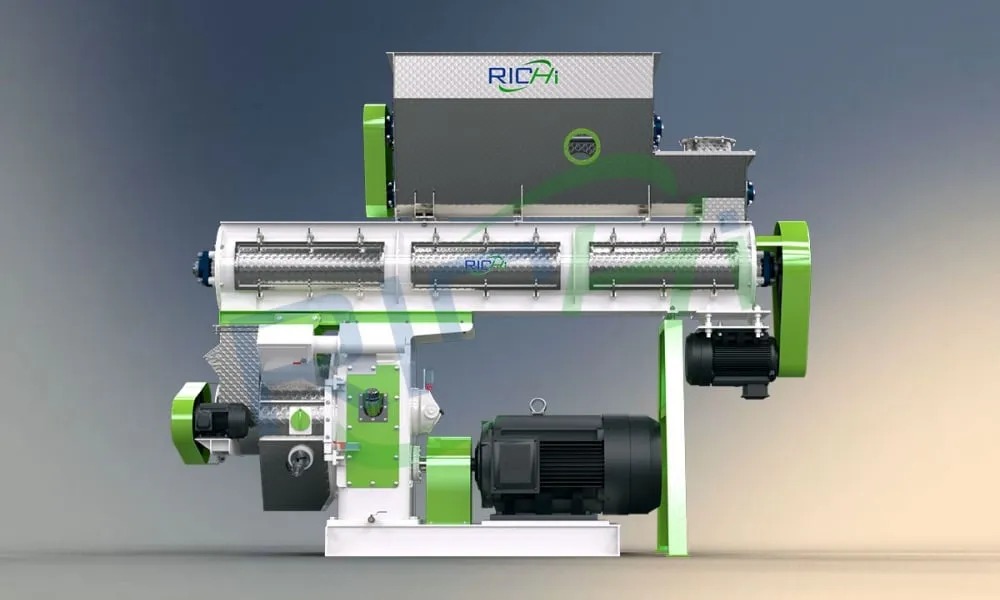
RICHI Animal Feed Pellet Mill For Sale
In modern feed manufacturing, the animal feed pellet mill machine plays a vital role by efficiently converting powdered or mixed raw materials—such as corn, soybean meal, and wheat bran—into uniform, high-quality feed pellets with stable nutrition and density.
This machine uses advanced mechanical compression technology through tempering, compression, and shaping processes to ensure consistent pellet size and density. Widely applied in pig, chicken, duck, cattle, rabbit, and aquaculture farming, it serves as essential equipment for modern farms to improve feeding efficiency, reduce feed waste, and support animal growth.
As the livestock industry develops, farms face challenges such as feed waste, nutritional imbalance, and short shelf life. The animal feed pellet mill produces feed pellets that ensure balanced nutrition, reduce waste to below 5%, extend shelf life by 2-3 times, and lower transportation and storage costs.

RICHI MACHINERY
Different Type Animal Pellet Mill
Different animals have unique physiological structures, feeding habits, and nutritional requirements. To accommodate these differences, the animal feed pellet mill adjusts core parameters—including die specifications, pellet hardness, and conditioning levels—ensuring pellets are tailored for specific animals. Specialized models are available for poultry, livestock, ruminants, and aquatic animals, ensuring balanced nutrition, improved feed efficiency, and consistent pellet quality for each type of animal.
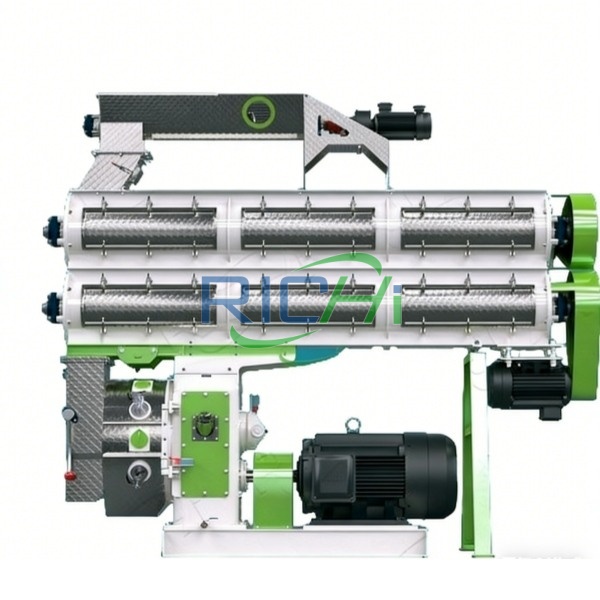
Poultry Feed Pellet Mill
The pellet mill animal feed for poultry produces pellets suitable for chickens, ducks, geese, and other birds. Uniform pellets improve feed intake, reduce dust and waste, and support healthy growth.
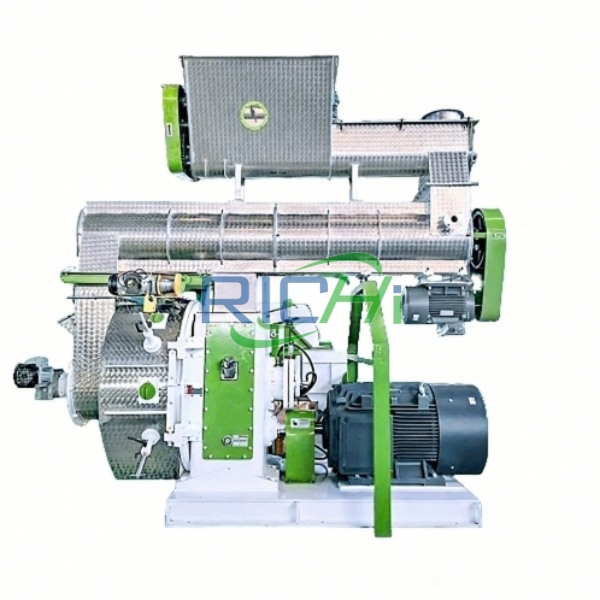
Livestock Feed Pellet Mill
For pigs and other livestock, the feed pellet mill compresses mixed feed into dense, durable pellets. This improves feed utilization, simplifies storage and transportation, and ensures consistent nutritional intake.
Ruminant Feed Pellet Mill
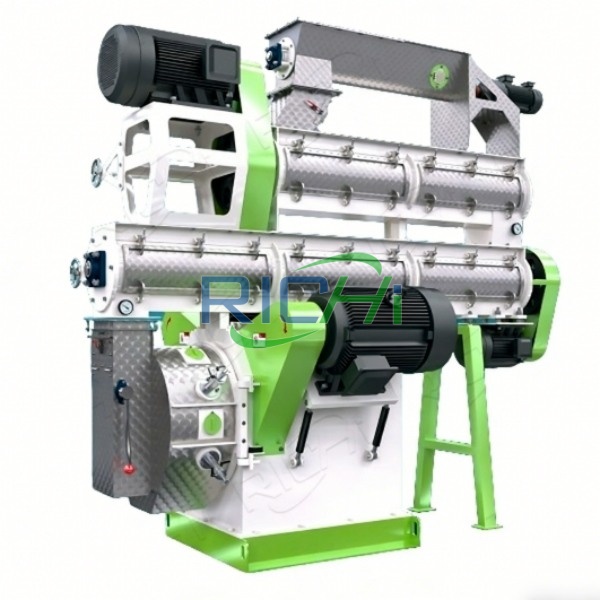
Suitable for cattle, sheep, and goats, the ruminant feed pellet mill can process roughage-based formulations. Pellet feed improves palatability, reduces selective feeding, and ensures balanced nutrition.
Aquaculture Feed Pellet Mill
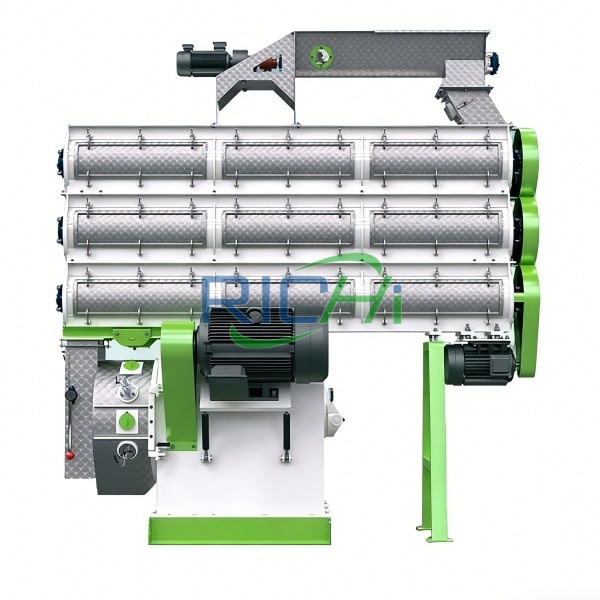
In aquaculture, the feed pellet mill produces feed for fish and shrimp with controlled pellet size and density, improving feeding efficiency and supporting stable growth.
Working Video Of Animal Feed Pellet Mill
This video demonstrates the working process of the animal feed pellet mill machine in real production conditions. It visually shows how raw materials are fed, conditioned, compressed, and shaped into uniform feed pellets, helping viewers understand the machine’s operation and pelletizing process step by step.
Feeding
The animal feed pellet mill automatically adjusts the feeding rate according to feed formulation. This ensures uniform mixing of powdered ingredients and prevents blockages during production.
Conditioning
Mixed feed is conveyed into the conditioner, where steam adjusts moisture to 15%-18% and temperature to 60-80°C. This improves pellet formation, digestibility, and reduces anti-nutritional factors.
Pelleting
The tempered feed enters the pelleting chamber. Press rollers and the stationary ring die work together to compress feed through uniform holes, forming dense pellets.
Cutting
Rotating blades cut the extruded pellets to a preset length (usually 2–12 mm), making them suitable for various animals such as chickens, pigs, and rabbits. This ensures uniform pellet size and easy consumption.

RICHI MACHINERY
Core Components of Animal Feed Pellet Mill
In the operation of an animal feed pellet machine, the drive system, feeding system, ring die, conditioner, motor, and cutting device serve as the core components. Together, they ensure efficient pelletizing and consistently high-quality feed pellets.
Drive System
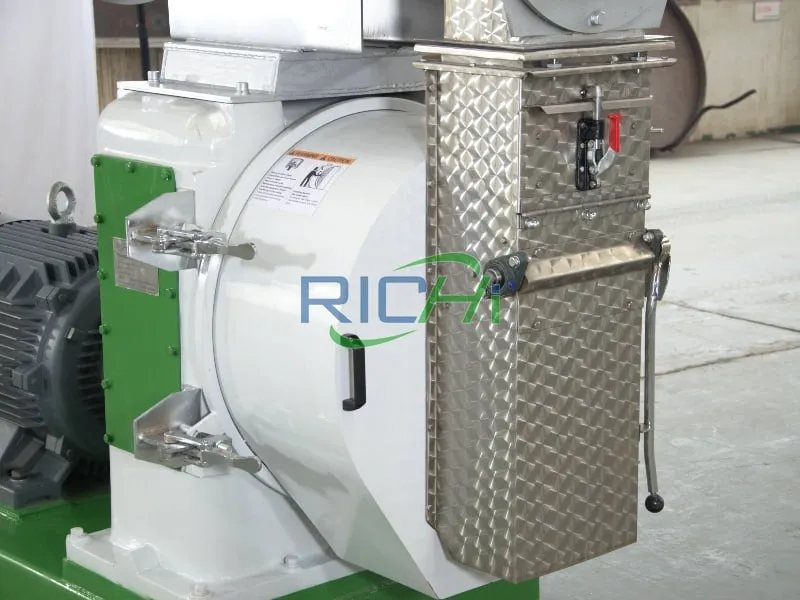
The spindle drive system converts motor power into rotational force for the press rollers, directly affecting the animal feed pellet mill’s operational stability, energy efficiency, and service life.
Feeding System
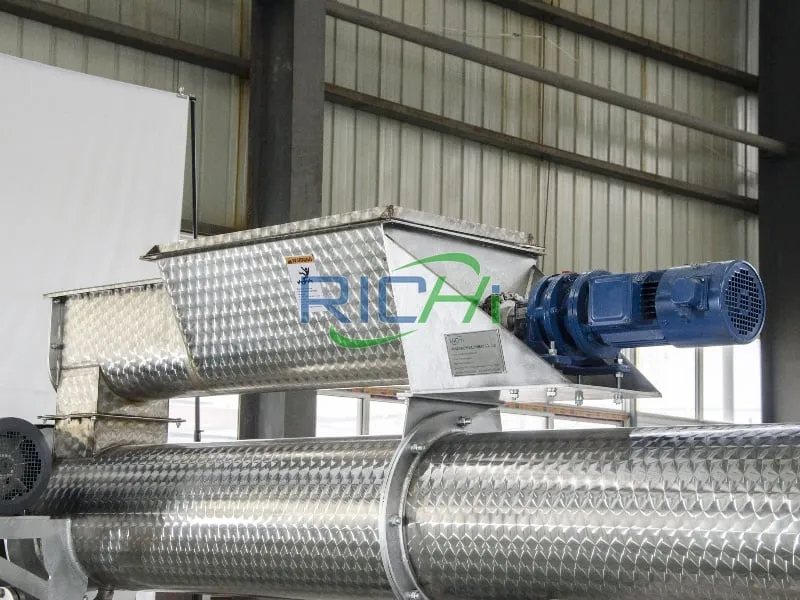
The feeding system delivers pretreated powdered materials uniformly and steadily to the conditioner. Automatic feed rate adjustment prevents blockages and ensures consistent pellet quality.
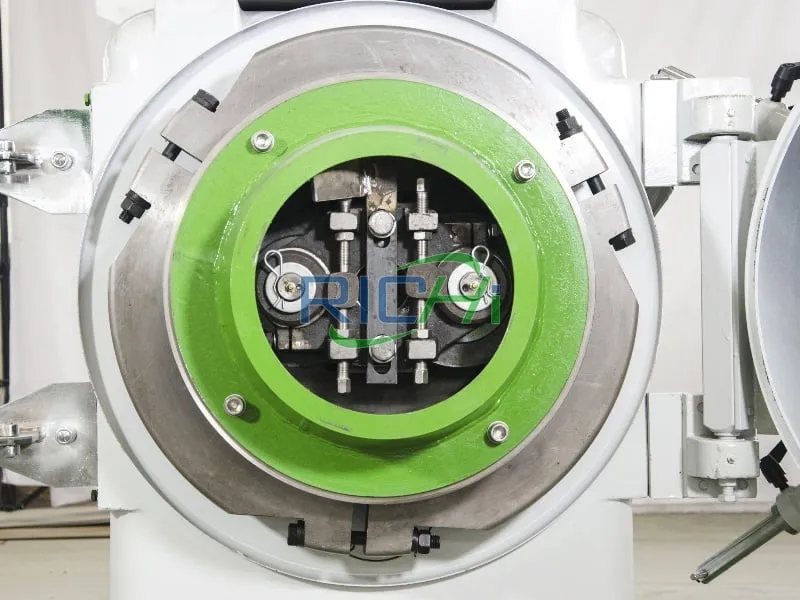
Ring Die
The ring die is the core component of a pellet mill, determining pellet shape, size, hardness, and production rate. The ratio of channel length to outlet diameter is a key factor in controlling pellet hardness.
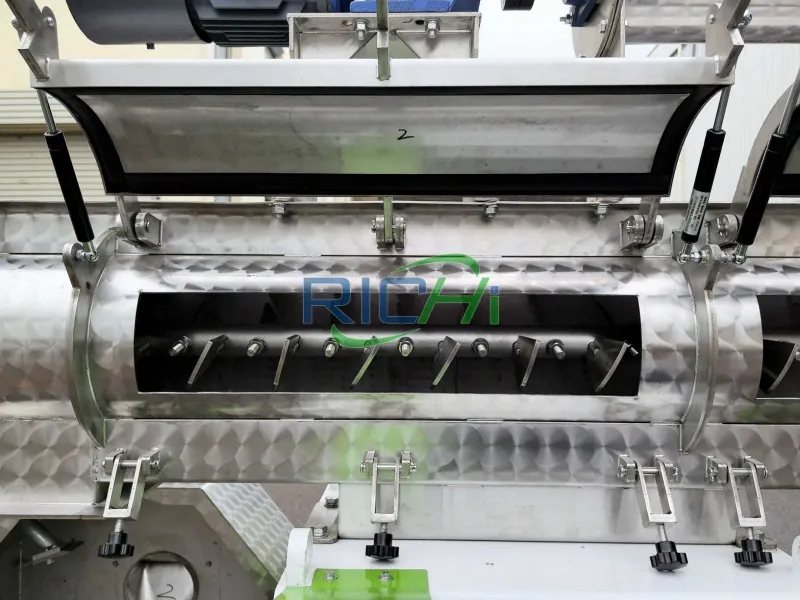
Conditioner
The conditioner matures raw materials through thorough mixing with steam, liquid additives, and other ingredients. This process improves pellet formation, digestibility, and nutrient absorption for animals.
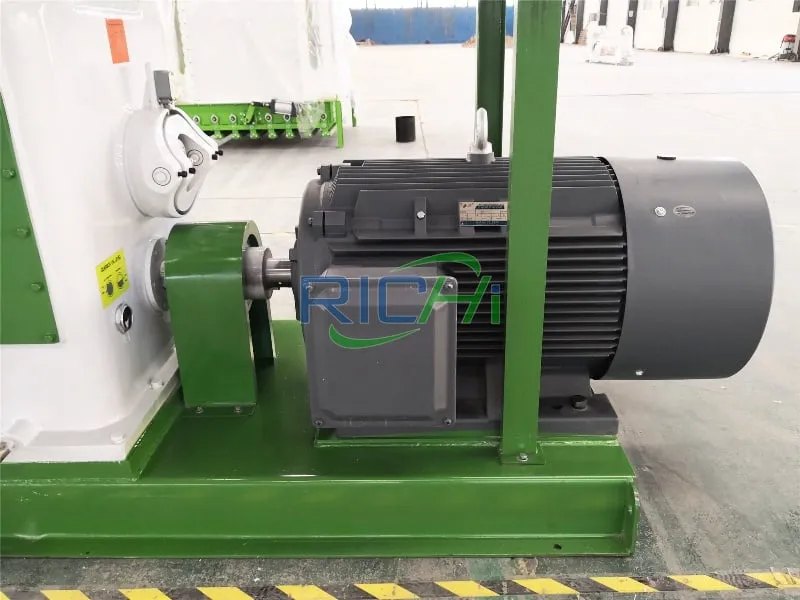
Siemens Motors
Siemens motors provide the core power for the pellet mill, known for high efficiency and low energy consumption. They are a standard choice for high-end machines, directly influencing operational stability and energy costs.
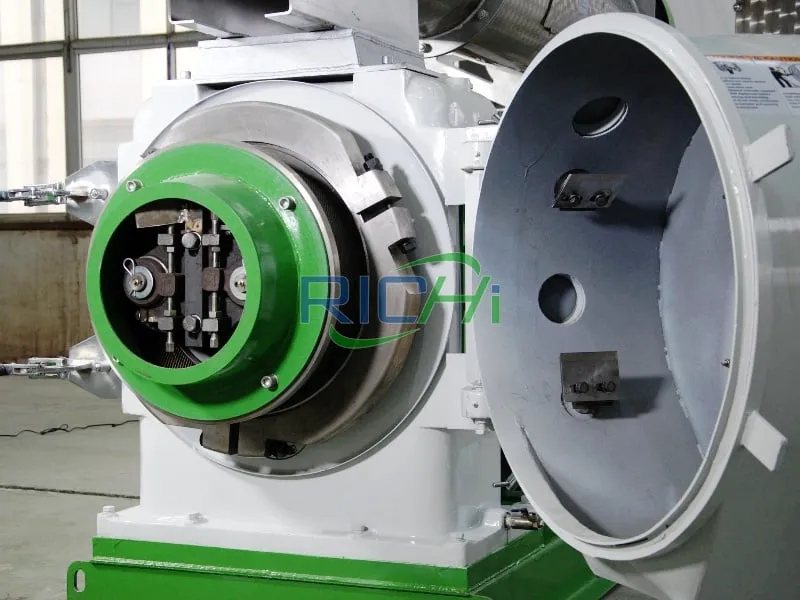
Cutting Device
The cutting device trims the extruded feed into pellets of predetermined lengths, ensuring uniform size and meeting the feeding habits of different animals.
Models of Animal Feed Pellet Mill For Sale
RICHI Machinery offers a variety of animal feed pellet mill models with different capacities to meet the diverse needs of farms. The production capacity, die size, and machine configuration can be customized according to the client’s specific requirements, suitable for small-scale to industrial-scale operations.
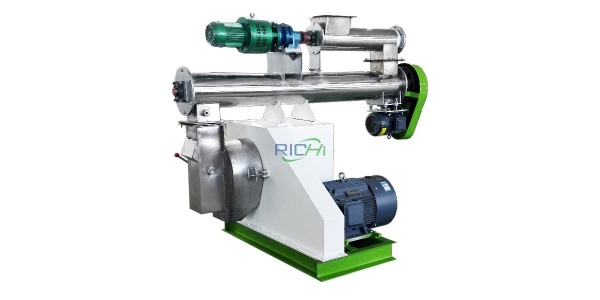
SZLH250 Animal Pellet Mill
- Capacity: 1-2T/H
- Main motor power: 22kw
- Feeder power: 1.1kW
- Conditioner power: 1.5kw
- Price range: 7,000 -10,000$
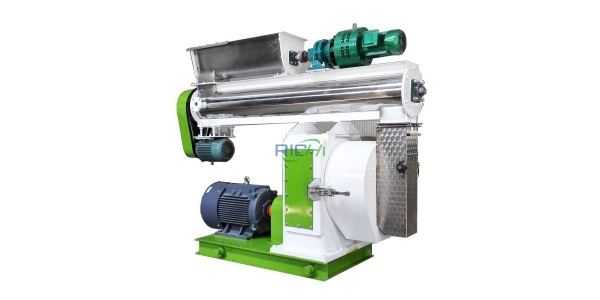
SZLH320 Feed Pellet Mill
- Capacity: 3-4T/H
- Main motor power: 37kw
- Feeder power: 1.5kW
- Conditioner power: 2.2kw
- Price range: 15,000 -20,000$
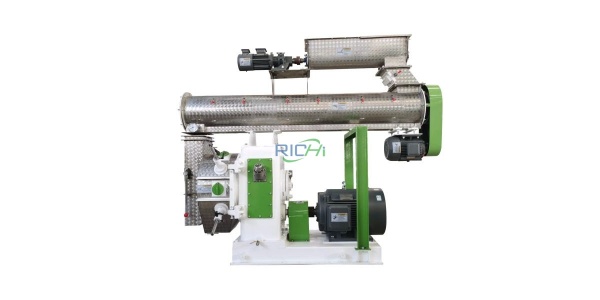
SZLH350 Pellet Mill For Animal Feed
- Capacity: 5-7T/H
- Main motor power: 55kw
- Feeder power: 1.5kW
- Conditioner power: 3kw
- Price range: 20,000 -30,000$
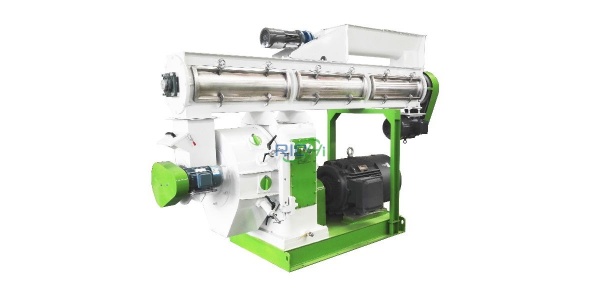
SZLH420 Animal Feed Pellet Mill
- Capacity: 8-12T/H
- Main motor power: 110kw
- Feeder power: 1.5kW
- Conditioner power: 7.5kw
- Price range: 30,000 -40,000$
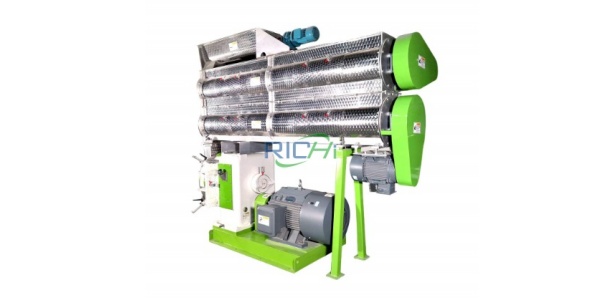
SZLH508 Feed Pellet Machine
- Capacity: 10-18T/H
- Main motor power: 160kw
- Feeder power: 2.2kW
- Conditioner power: 11kw
- Price range: 40,000 -60,000$
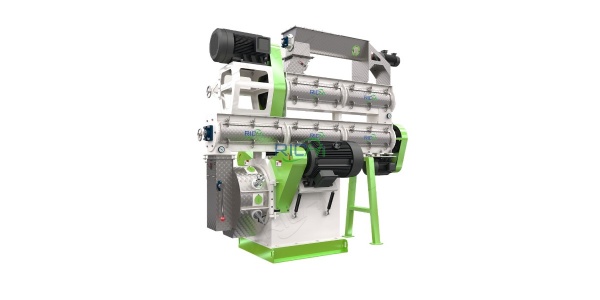
SZLH558 Animal Feed Pellet Press
- Capacity: 15-25T/H
- Main motor power: 180kw /220kw
- Feeder power: 2.2kW
- Conditioner power: 11kw
- Price range: 60,000 -70,000$
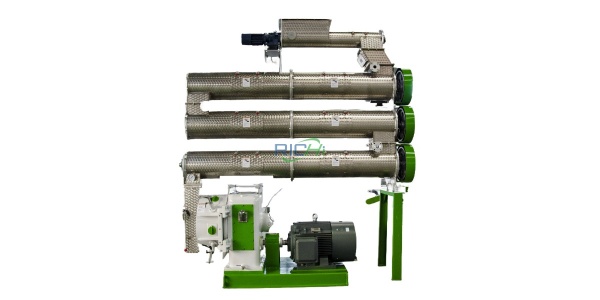
SZLH678 Animal Feed Pellet Mill
- Capacity: 20-30T/H
- Main motor power: 220kw /250kw
- Feeder power: 2.2kW
- Conditioner power: 11kw
- Price range: 70,000 -80,000$
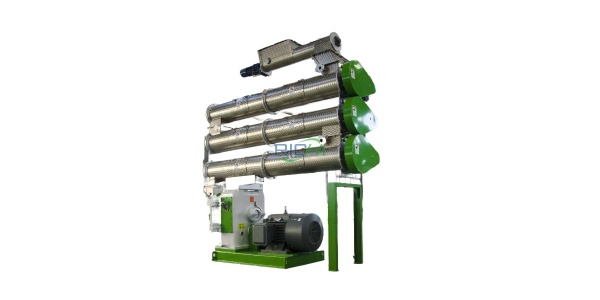
SZLH768 Animal Feed Pellet Making Machine
- Capacity: 25-40 T/H
- Main motor power: 250kw /280kw
- Feeder power: 2.2kW
- Conditioner power: 11kw
- Price range: 80,000 -90,000$
Advantages of RICHI Animal Feed Pellet Mill
RICHI animal feed pellet mill for sale are designed to provide efficient, reliable, and high-quality pellet production for modern farms. With advanced technology, durable components, and user-friendly operation, these pellet mills help reduce feed waste, improve animal nutrition, and lower overall production costs.
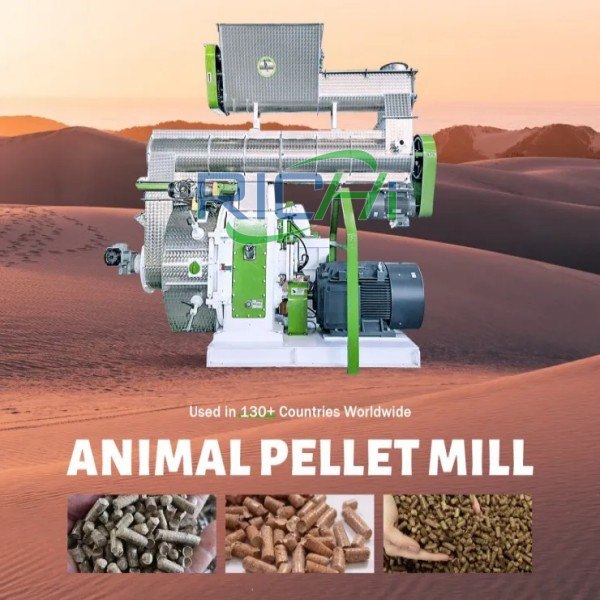
High Output And Low Energy Consumption
Catering to Diverse Needs
RICHI animal feed pellet mills are designed to serve different animal species and growth stages. By changing the ring die, the pellet mill can produce pellets of various sizes and specifications, meeting the feeding requirements of poultry, ruminants, aquatic animals, and other livestock.
Reduce farming costs
Pelleted feed is convenient for mechanized feeding, reducing the labor and time required for manual feeding. Pellets occupy less storage space, resist moisture absorption and clumping, and minimize losses caused by mold during storage.
Shorten the farming cycle
Improved nutrient absorption and consistent feeding patterns accelerate animal growth, allowing body weights to increase steadily and improving the commercial value of farmed products.
Reduce pathogen pollution and dust risk
High temperatures during the pelleting process eliminate over 80% of bacteria in the raw materials. Pellet feed produces minimal dust, reducing the risk of respiratory diseases in animals and improving the health and safety of farm workers.
Global Case of Animal Feed Pellet Mill For Sale
With more than 30 years of experience in feed processing machinery, RICHI has delivered animal feed pellet mill solutions to customers in over 140 countries and regions worldwide. Each project is designed according to local raw materials, animal types, and production capacity requirements. The project cases demonstrate how pellet mills for animal feed are successfully applied in diverse production environments, helping customers achieve stable and efficient feed production.
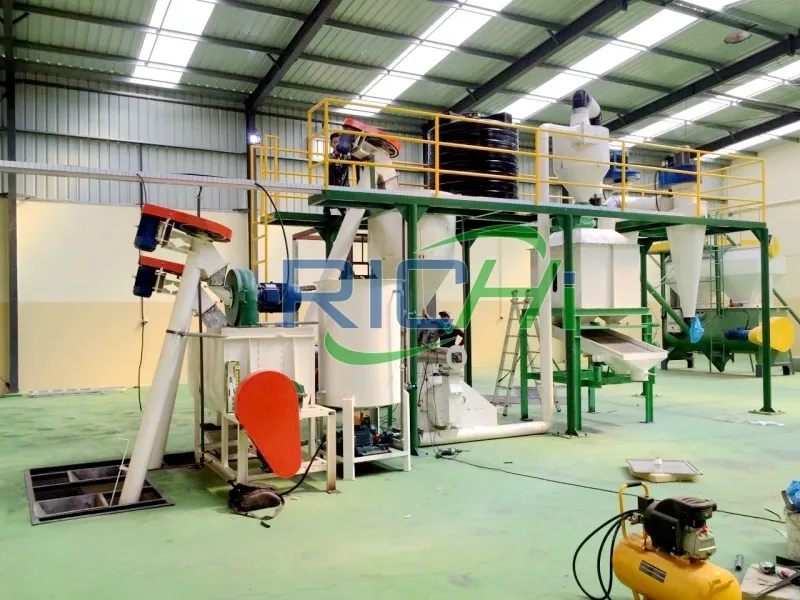
1.5T/H Animal Feed Pellet Mill For Sale Poland
- Country: Poland
- Primary Raw Materials: Wheat, corn, rye, barley, soybean meal, rapeseed meal, etc.
- Background: A portion of feed production is used for its own poultry and pig farms. To enhance market competitiveness, this enterprise has repeatedly cooperated with RICHI to upgrade feed production equipment.
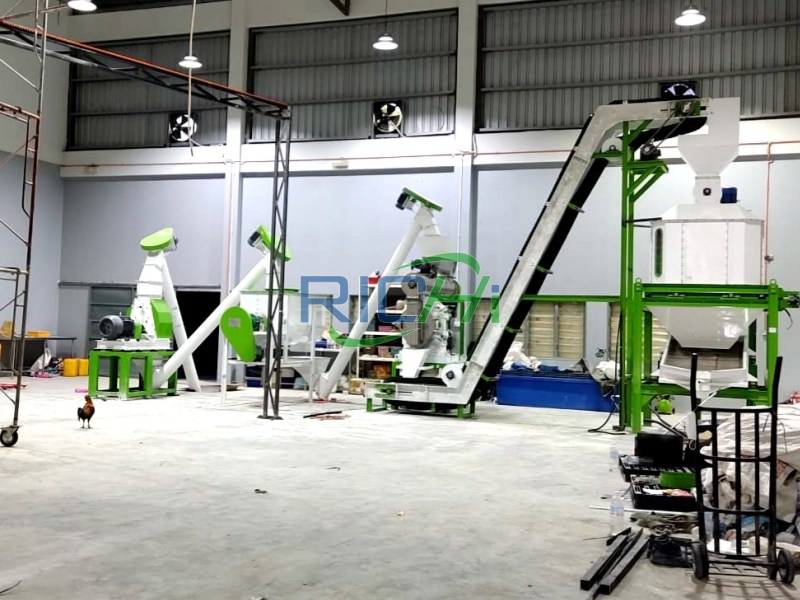
2T/H Chicken Feed Pellet Mill For Sale Malaysia
- Country: Malaysia
- Primary Raw Materials: Corn, soybean meal, wheat bran, limestone powder, and premix containing essential vitamins and minerals.
- Background: With the poultry industry growing in Malaysia, the investor decided to establish a small but efficient feed production line. The goal was to produce high-quality chicken pellets, reduce feed waste, and improve animal health.
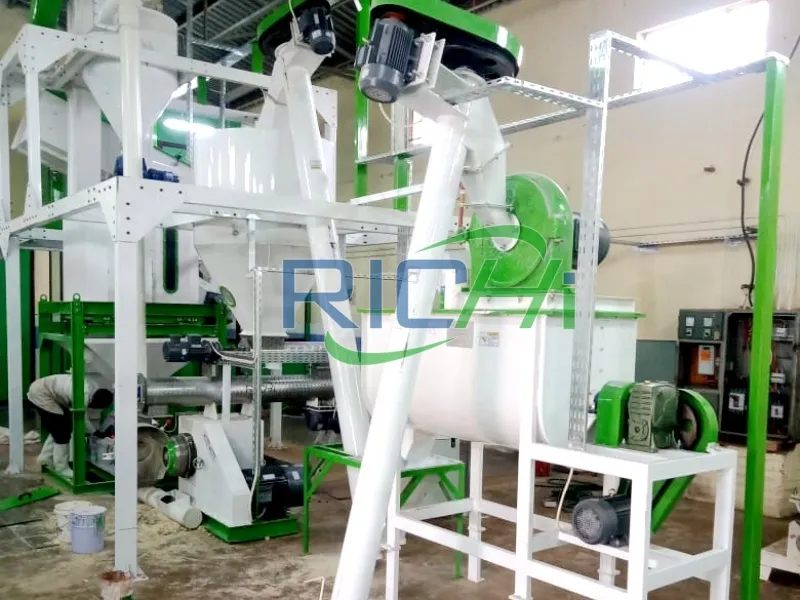
1-2T/H Ruminant Feed Pellet Mill
- Country: Turkey
- Primary Raw Materials: Coarse feeds such as hay and straw and concentrate feeds including corn and soybean meal.
- Background: Turkey, a major livestock nation spanning Europe and Asia, plays a major role in the upgrading of the ruminant feed industry. This enterprise is a ruminant feed producer, who has decided to upgrade its pelleting equipment to meet market demand.
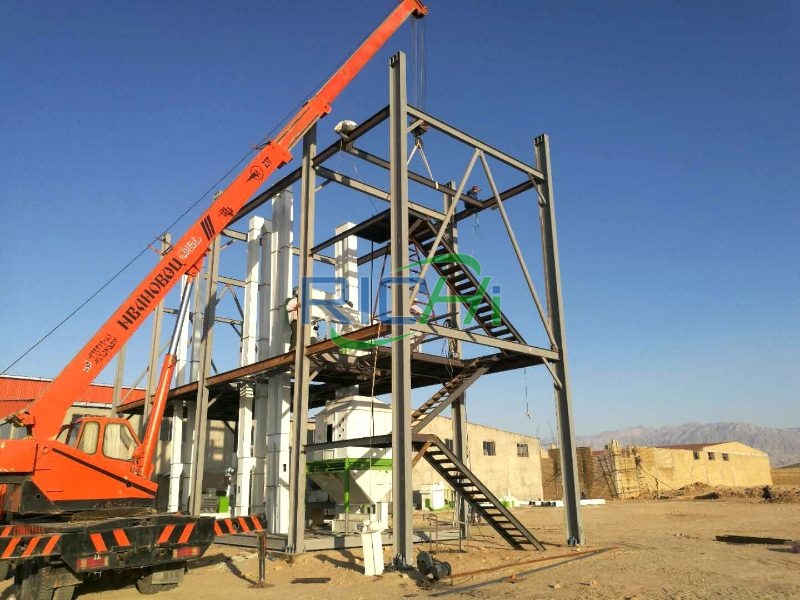
8-10T/H Pellet Mill For Compound Feed
- Country: Afghanistan
- Primary Raw Materials: Corn, soybean meal, wheat bran, rice bran, and premix containing vitamins and minerals.
- Background: To meet the growing demand for compound feed in Afghanistan, the investor decided to establish a high-capacity feed pellet production line. The project aims to improve feed efficiency, reduce waste, and provide consistent high-quality feed for livestock.
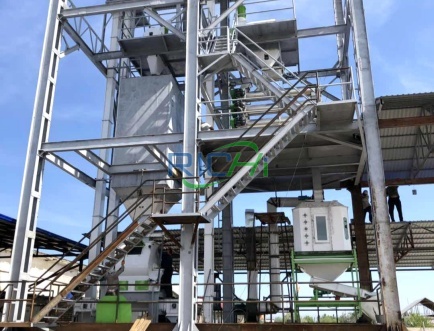
5T/H Sinking Fish Feed Pellet Plant in Uzbekistan
- Country: Uzbekistan
- Primary Raw Materials: Fish meal, soybean meal, corn, wheat bran, and premix containing essential vitamins and minerals.
- Background: With the rapid development of freshwater aquaculture in Uzbekistan, the investor sought to set up a 5T/H sinking fish feed pellet plant to supply local fish farms with high-quality feed. The project focuses on producing nutritionally balanced sinking pellets that enhance growth rates and minimize feed loss.
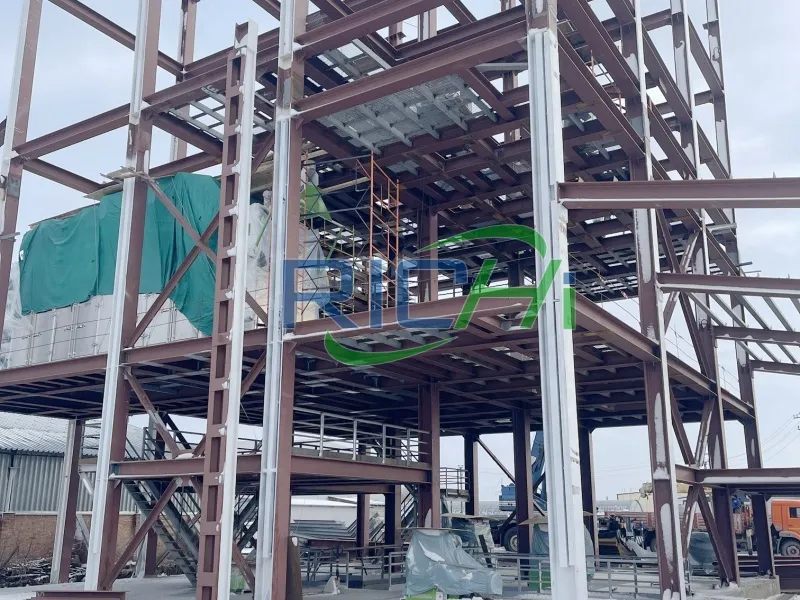
5-6T/H Pellet Mill For Shrimp Feed
- Country: Indonesia
- Primary Raw Materials: Fish meal, soybean meal, wheat flour, shrimp head meal, vitamins, minerals, etc.
- Background: To meet the growing demand in the aquaculture market, the investor decided to build a new aquatic feed pellet plant in Indonesia and selected RICHI as the project partner to ensure high-quality production and reliable operation.
Benefits of Animal Feed Pellets
Animal feed pellets offer multiple advantages over traditional powdered feed. They improve feed intake efficiency, reduce waste, enhance animal growth, and simplify storage and transportation. Pellets also help maintain consistent nutrition and minimize health risks associated with dust and pathogens.
Improving Feed Utilization
Compared to traditional powdered feed, pellet feed evenly incorporates nutrients such as protein, crude fiber, and vitamins. Animals cannot selectively eat only preferred ingredients, ensuring balanced nutrient intake.
Reducing Transportation and Storage Losses
Pellets have a compact structure and moderate hardness, preventing nutrient separation during storage. Their small exposed surface area also reduces moisture absorption, minimizing storage losses.
Adapting to Animal Feeding and Digestive Habits
The hardness and size of pellets can be adjusted according to different animal species, improving feed intake efficiency and enhancing nutrient conversion.
Supporting Equipment for Animal Feed Pellet Mill Line
The animal feed production line is a complete process system from the raw material pretreatment to the final pellet. In addition to the core feed pellet mill for sale, there are several other types of equipment that must work together here. Below is a detailed introduction to other key equipment in the production line, arranged in the order of the production process.
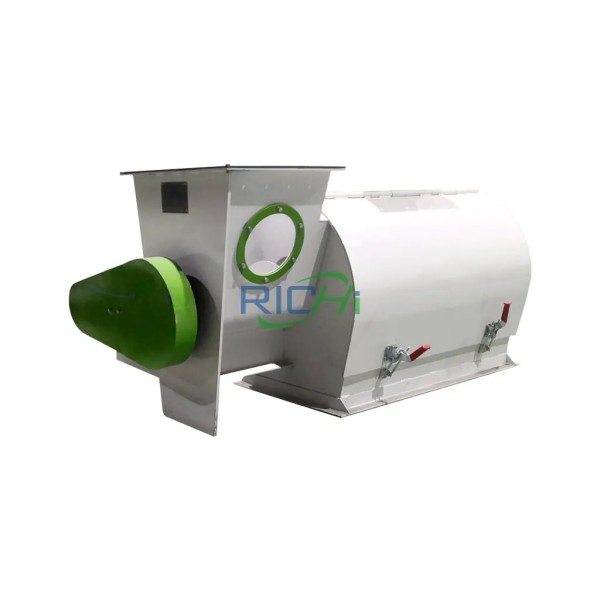
Powder Cleaning Screen
The powder cleaning screen is used to remove impurities such as stones, metal particles, and oversized debris from raw materials before grinding or pelleting. It helps protect downstream equipment and ensures stable operation of the animal feed pellet mill system.
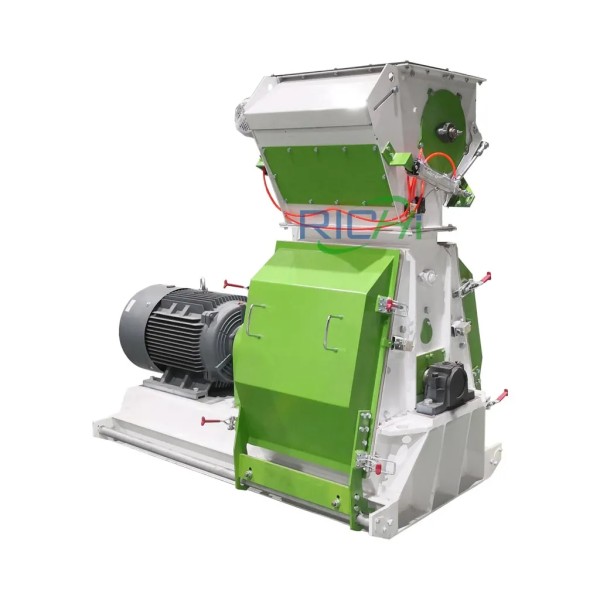
Hammer Mill
The hammer mill is designed to crush feed raw materials such as corn, wheat, and soybean meal into uniform fine powder. A consistent particle size improves pellet forming efficiency and pellet quality.
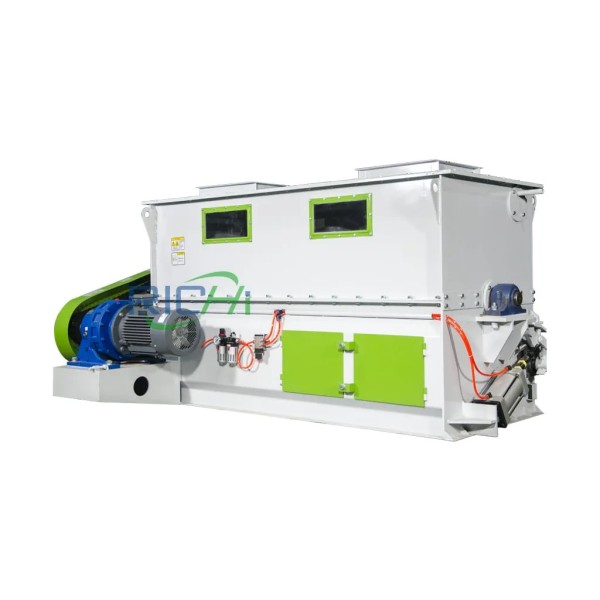
Feed Mixer
The feed mixer ensures thorough and uniform mixing of various powdered ingredients, additives, and premixes according to feed formulations, guaranteeing consistent nutrient distribution in each pellet.
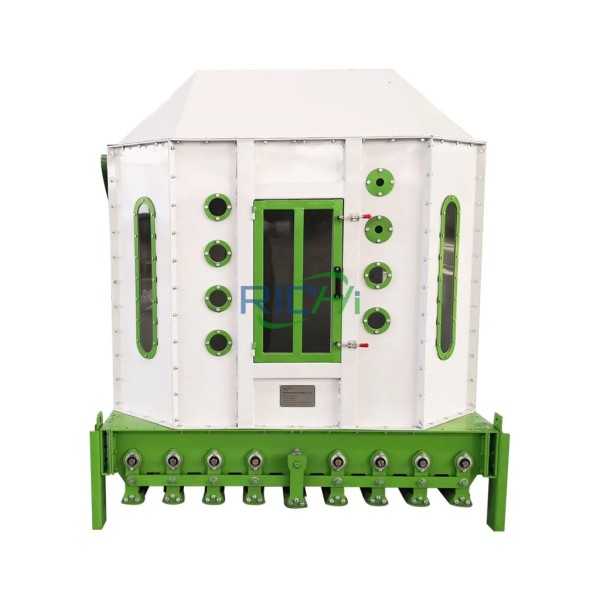
Counter Flow Cooler
The counter flow cooler is used to cool hot pellets after pelleting, reducing temperature and moisture to safe storage levels. It improves pellet hardness and prevents mold growth during storage.
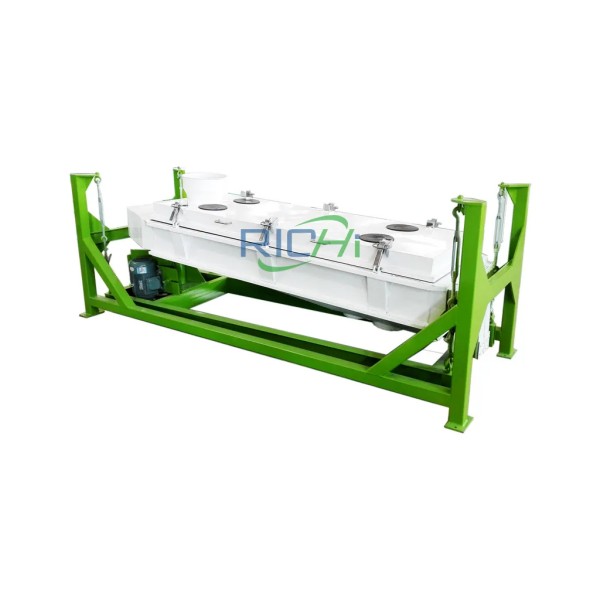
Rotary Grade Separator
The rotary grade separator classifies finished pellets by size and removes fines or broken pellets. Qualified pellets proceed to packaging, while fines can be recycled, improving overall production efficiency.
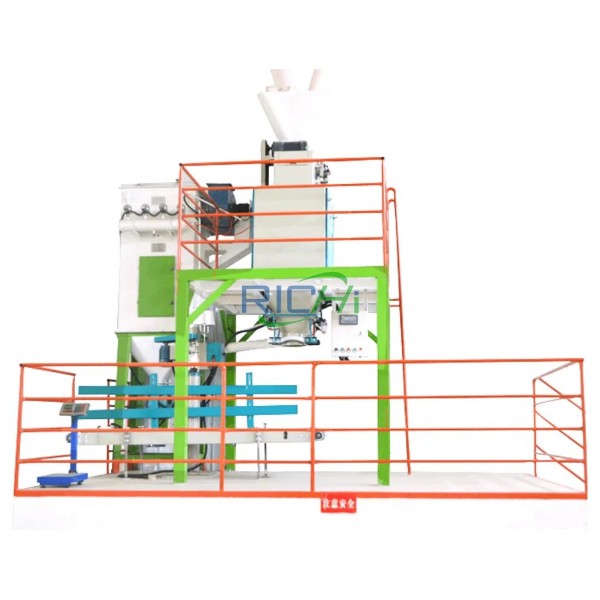
Automatic Packing System
The automatic packing system accurately weighs, fills, and seals feed pellets, reducing labor costs and ensuring consistent packaging weight and professional product presentation.

Why Choose RICHI Machinery
Since 1995, RICHI Machinery has served thousands of customers across more than 140 countries and regions worldwide. Our products are exported to high-end markets including the Middle East, South America, Africa, Southeast Asia, and Europe, and have received numerous high praises.
Customized Solutions
We will first discuss raw materials, production goals, and budget in detail with you, then make a customized solution to your needs.
Modern Workshop
We have a modern production facility, which are able to efficiently and precisely manufacture each animal feed pellet press for you.
On-site Installation
Once the equipment arrives at the place, our professional technical team will arrive on time to install and test it, strictly following the specifications to make sure that the equipment is stable and reliable.
Information Sharing
During the production process, we will provide you with timely updates on progress so that you can keep track of the production situation at all times. Once the feed pellet presses are finished, we’ll deliver them safely and punctually to your appointed place.
On-the-spot Training
During the testing process, our engineers will provide your employees with on-the-spot training that includes equipment operation, daily service, and common fault resolution.
After-Sales Service
RICHI Machinery promise to provide one year of free service after sale. During this period, if the equipment malfunctions because of the quality or normal use, our after-sales team will give you technical advice within 30 minutes to respond.
Frequently Asked Questions: Production Flexibility, Feed Formulations for Different Animals, and Investment Costs
Does the animal feed pellet mill only produce one type of pellet feed? Can it meet the needs of different animals?
+
No. The pellet mill is not limited to producing a single type of pellet feed. By replacing different ring dies and adjusting key operating parameters, the pellet mill can be adapted to meet the feeding requirements of various farmed animals.
For poultry and livestock, pellet size and hardness can be controlled by changing the die hole diameter and roller pressure. For example, smaller pellets (2–3 mm) are suitable for chicks, medium pellets (4–6 mm) for poultry and rabbits, while larger pellets (8–12 mm) are commonly used for pigs and some ruminants.
For aquaculture, the pellet mill can be equipped with specialized ring dies (typically 1–4 mm) and adjusted conditioning parameters to produce sinking feed for shrimp or floating feed for fish, depending on the feed formulation and process settings.
Could you provide some animal feed formulations?
+
Yes. Feed formulations vary depending on animal species, growth stage, and local raw materials. Below are some commonly used animal feed formulations for reference only. Actual formulas can be adjusted according to nutritional requirements, feed costs, and production conditions.
1. Poultry Feed Formulations ( Examples for chickens and ducks)
- Laying Hens: Corn 62%, Soybean Meal 22%, Limestone Powder 8%, Bran 4%, Premix (Vitamins + Minerals + Enzymes) 3%, Salt 0.3%, Methionine 0.2%, Vegetable Oil 0.5%
- Meat Ducks: Corn 65%, Soybean Meal 18%, Cottonseed Meal 5%, Bran 6%, Premix 3%, Salt 0.3%, Lysine 0.2%, Calcium Carbonate 0.5%
2. Livestock Feed Formulations ( Examples for Pigs and Rabbits)
- Pigs: Corn 65%, Soybean Meal 18%, Bran 8%, Rice Bran 5%, Premix 3%, Limestone Powder 0.8%, Salt 0.3%, Baking Soda 0.2%
- Rabbits: Alfalfa Meal 25%, Corn 35%, Soybean Meal 15%, Bran 12%, Cottonseed Meal 5%, Premix 3%, Salt 0.5%, Shell Flour 1.5%
3. Ruminant Feed Formulations ( Examples for Cattle and Sheep)
- Dairy Cattle: Silage Corn 40%, Alfalfa Hay 15%, Timothy Grass 10%, Corn 20%, Soybean Meal 8%, Cottonseed Meal 3%, Premix 3%, Salt 0.5%, Baking Soda 0.5%
- Meat Sheep: Corn Stalk Meal 35%, Silage Corn 25%, Corn 20%, Soybean Meal 12%, Bran 5%, Premix 2%, Salt 0.5%, Baking Soda 0.5%
4. Aquatic Feed Formulation (Examples for Fish and Shrimp)
- Grass Carp: Soybean Meal 25%, Rapeseed Meal 15%, Cottonseed Meal 10%, Fish Meal 5%, Corn 20%, Bran 12%, Rice Bran 8%, Premix 3%, Vegetable Oil 1.5%, Bentonite 0.5%
- Shrimp: Fish meal 18%, Shrimp head meal 10%, Soybean meal 25%, Peanut meal 12%, Wheat flour 20%, Bran 8%, Premix 5%, Fish oil 2%, Hydroxypropyl methylcellulose (HPMC) 0.5%
How much does it cost to invest in a 5 T/H small animal feed pellet mill project?
+
For a small-scale 5T/H, the animal feed pellet mill price ranges from $25,000 to $32,000. If you plan a complete customized production line including auxiliary machines (hammer mill, mixer, cooler, etc.), installation, and technical training, the total investment usually ranges from $70,000 to $250,000, depending on equipment configuration, production capacity, and local infrastructure costs. Additional costs for raw materials, labor, and utilities should also be considered.
Can an animal feed pellet mill project be scaled up in the future?
+
Yes. RICHI animal feed mill equipment for sale is designed with modular configurations, allowing you to expand production by adding additional machines or upgrading to higher-capacity models. Planning for future expansion during the initial investment helps minimize costs and ensures smooth growth as market demand increases.