
 +86 14769960951
Aquatic Feed Pellet Plant
This aquatic feed pellet plant solution offers a range of production capacities, suitable for manufacturing various types of aquatic feed, including floating, sinking, and settling pellets. We provide customized production lines and turnkey services.
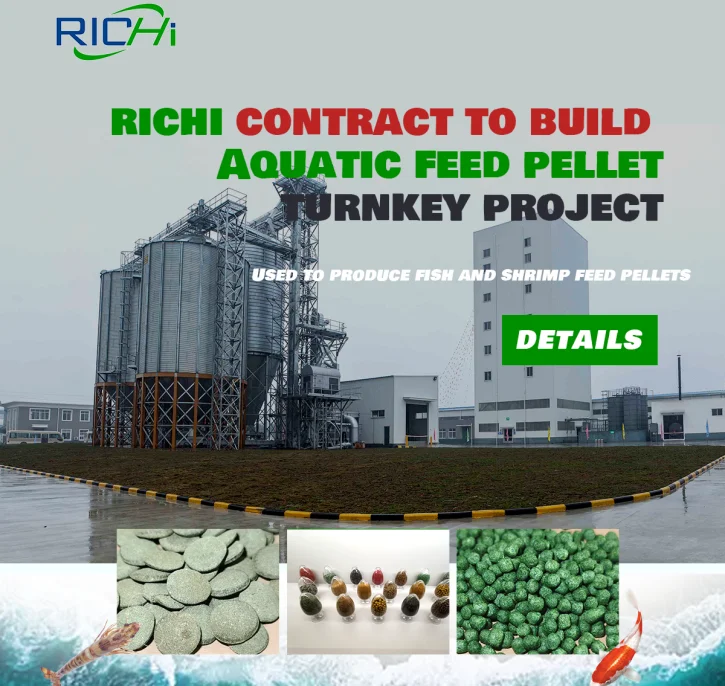

Modern Aquatic Feed Pellet Plant
As a leading supplier of feed processing equipment, we offer modern aquatic feed production lines. This solution features an advanced process layout and is equipped with high-efficiency, energy-saving production machinery. Through a PLC-integrated control system, it enables efficient and convenient aquatic feed production.
We have designed various types of production equipment capable of producing a wide range of aquatic feeds. Regardless of the raw material formulation, it can seamlessly convert them into high-quality feed pellets. We can also expand the equipment configuration based on this plan, aiming to achieve comprehensive feed production. With these enhancements, the system meets the production needs for fish, shrimp, crab, and specialty aquatic feeds.
This solution accommodates production capacities ranging from 0.2 to 10 T/H and beyond. We not only supply production line equipment but also offer customized services. In particular, our turnkey projects meet your needs for rapid and hassle-free plant construction. Below are examples of this solution in operation during the production of various feed types, including workshop trials and real-world project scenarios.
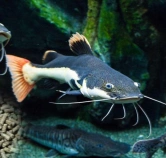
Different kinds of aquatic feed plant
Our aquatic feed pellet plant solutions can accommodate the production of various types of aquatic feed. This is achieved by configuring specialized fish feed pellet mills and other auxiliary equipment. For broader customer needs, we offer a range of base configurations and automation levels to choose from.
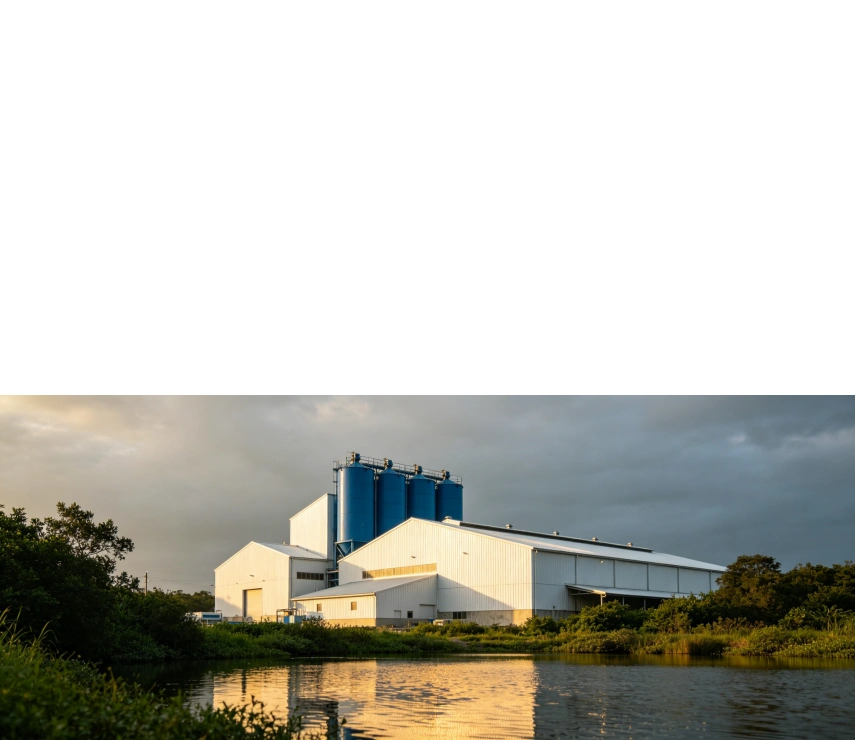
Fish Feed Production line
This production solution is specifically designed for the manufacture of various types of fry and adult fish feed. Standard pellet sizes range from 0.9 to 8 mm, meeting the nutritional needs of both freshwater and marine fish. It accommodates both sinking, semi-sinking, or floating feeds.
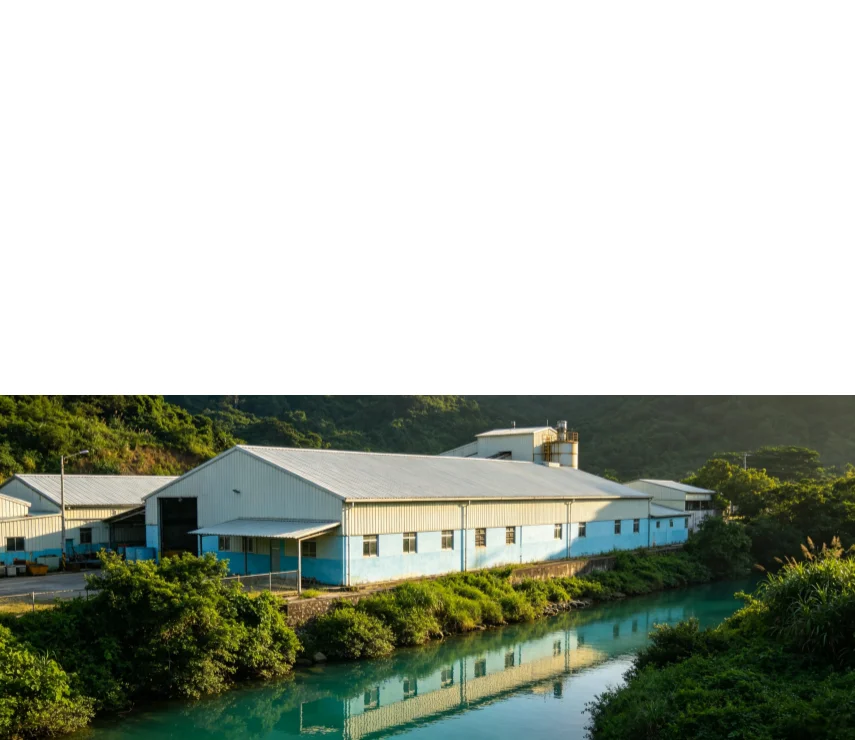
Shrimp Feed plant
We have designed precision crusher and efficient feed pelletizers to meet the needs of shrimp and crab feed production. The finish pellets range in diameter from 0.8 to 2.5 mm. Tailored to the feeding habits of shrimp, these pellets feature high water resistance and a high protein content.
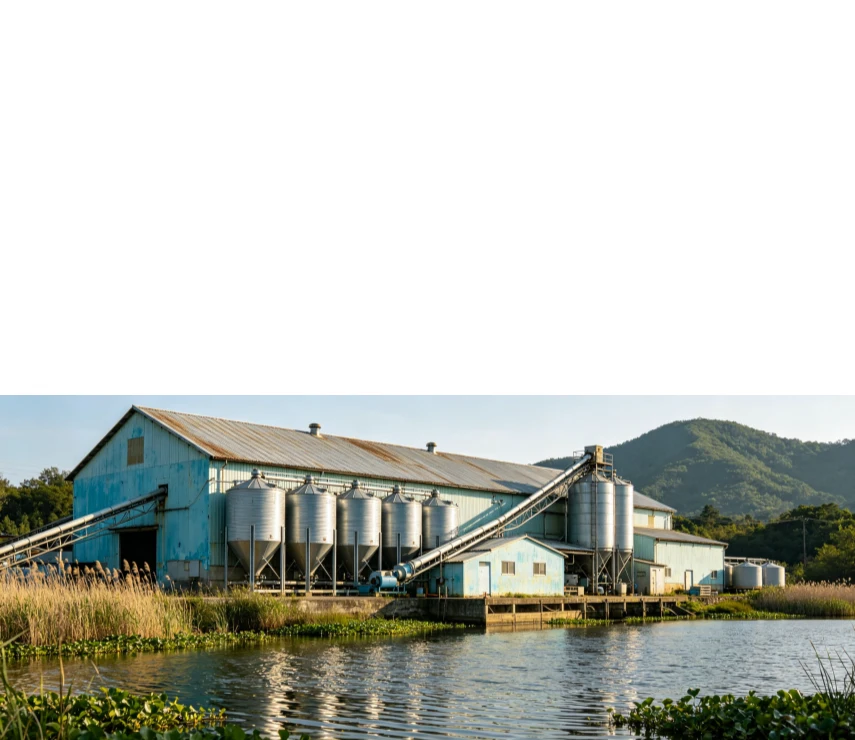
Combined Pelleting and Extrusion Production
This solution incorporates both pellet mills and extruders as feed production equipment. It can simultaneously accommodate the production of various types of aquatic feed, pet food, and livestock feed. We will configure a comprehensive production system tailored to your needs to achieve the goal of producing a wide range of feed products.
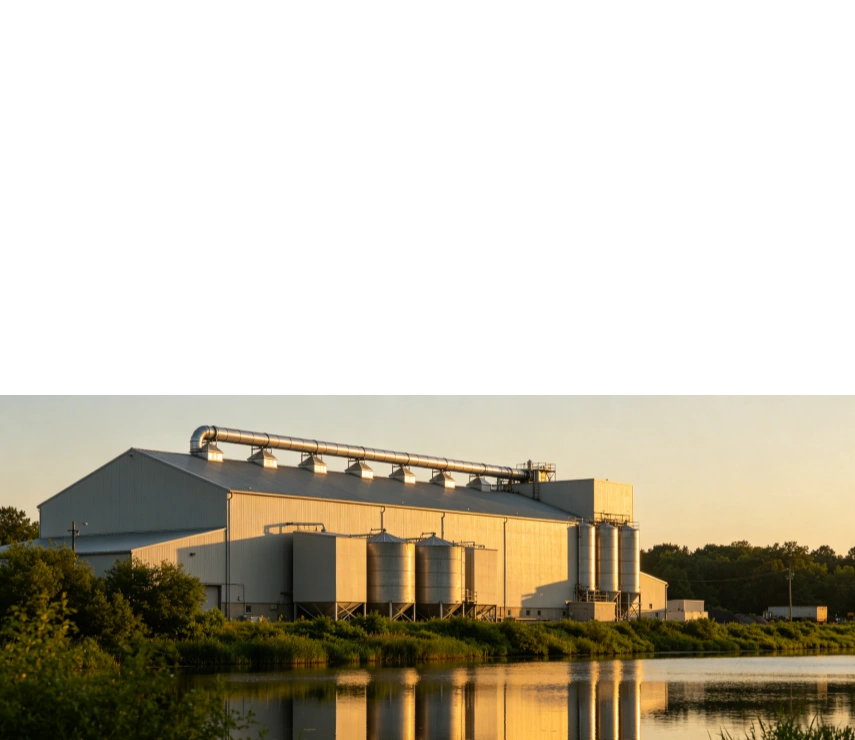
Specialty Aquatic Feed Production
We also offer specialty aquatic feed production solutions. These solutions can produce feed that meets the nutritional needs of eels, salmon, ornamental fish, and other species. The system can be configured with twin-screw extruders, ultra-fine grinders, high-precision screening systems, and other equipment to ensure high-quality, precision feed production.
Different Capacity Options for Aquatic Feed Pellet Plant
In order to accommodate a wider range of applications, we have designed this solution with multiple capacity options. Below are the common capacity configurations and their intended uses. In addition, we can customize solutions with even higher outputs. Please feel free to contact us with your specific production needs.
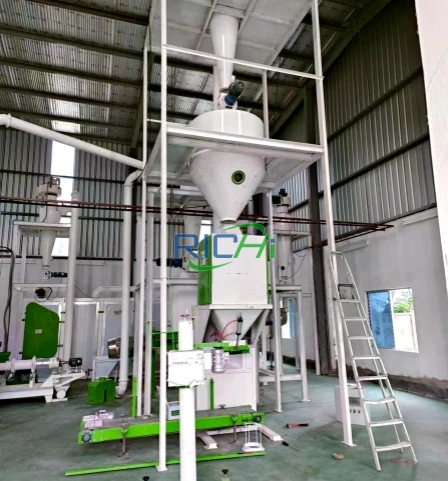
0.2–0.4 T/H
This capacity solution features low investment costs and a small footprint. We can provide you with a fish feed pellet making machine or a single-screw extruder. This solution offers flexible production of standard small-batch aquaculture and pet food.
Applications: Small Fish Ponds / Shrimp Ponds, Small Fish Feed plants
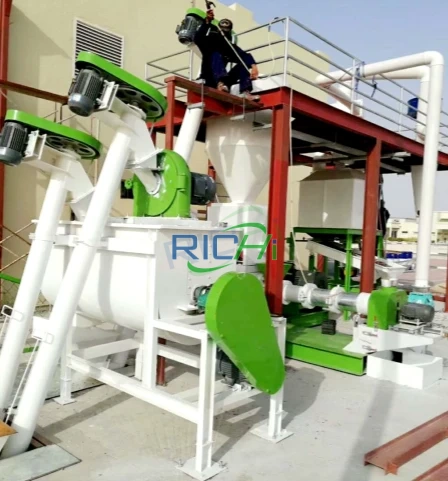
0.5–1.0 T/H
As a common solution for small- to medium-sized aquafeed production, it can accommodate various feed formulations and produce both standard and premium aquafeeds. This includes floating feed, sinking feed, and bottom-dwelling feed.
Applications: Medium-sized aquaculture farms, Start-up aquafeed plants
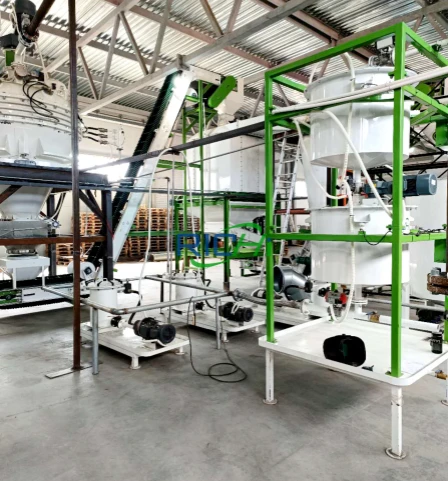
1.5-2.0 T/H
This is a common solution for medium-sized feed plants. It features a high level of automation, enabling stable and efficient production. With robust equipment configuration, it ensures continuous and stable output.
Applications: Large-scale aquaculture farms, branded feed plants
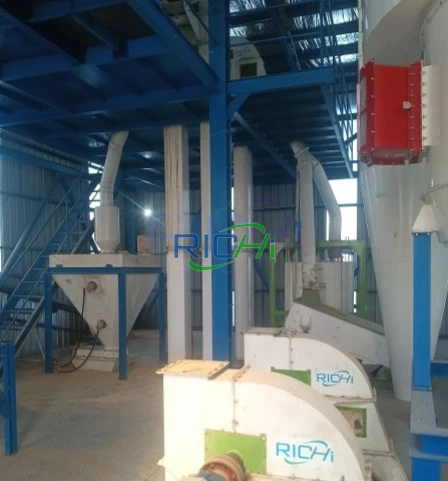
3.0–4.0 T/H
We provide fully automated, high-capacity solutions for commercial aquafeed plants, typically tailored to specific requirements. This solution supports 24-hour continuous operation for the production of premium or commercial feed.
Applications: Commercial feed plants, companies engaged in external sales
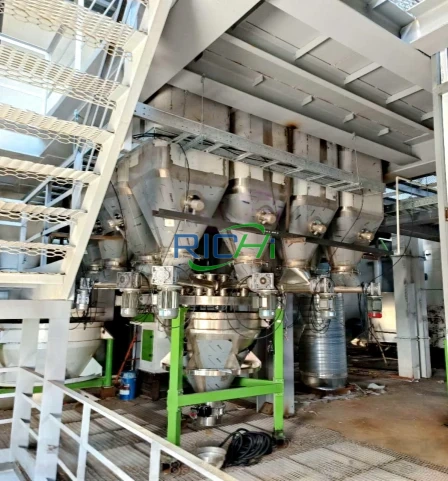
5.0–6.0 T/H
This solution typically employs multiple sets of equipment operating in parallel and is suitable for large-scale feed manufacturers with some experience. As a large-scale production line, it can consistently produce high-quality feed in multiple batches, ensuring high profitability.
Applications: Large feed conglomerates, companies engaged in external sales
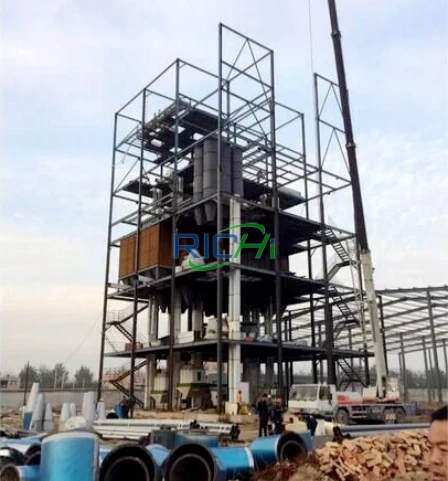
8.0-10.0 T/H
We offer fully customized solutions featuring multiple feed production lines operating in parallel. These systems minimize labor costs and enable fully automated, comprehensive production. The target products are primarily high-end export aquatic feed.
Applications: Comprehensive aquatic feed mills, international feed mills
Aquatic Feed Pellet Plant Production Process
This production line solution features a scientifically designed process flow, encompassing the basic stages of raw material crushing, mixing, pelletizing, drying, oil spraying, cooling, screening, and packaging. Each stage is equipped with robust main machinery and auxiliary systems, ensuring the production system operates with high efficiency and energy savings. We will tailor the configuration of each stage to meet your specific production requirements.
01. material crushing
Some raw materials cannot be processed directly, such as grains like corn, wheat, and sorghum. If your raw material is already in powder form, this stage is not required. The main equipment in this stage is a precision hammer mill, which produces particles ranging from 0.5-0.8 mm in size.
02. material mixing
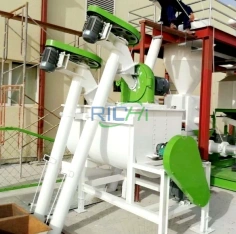
The crushed material can be fed into the mixer along with other powdered raw materials. The batching process is controlled by an automated system and performs precise batching according to two predetermined ratios. The liquid addition system adds oils to the mixer, ensuring rapid and uniform mixing.
03. Feed forming
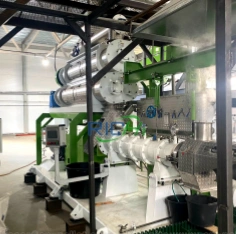
This section is equipped with a pelletizer or an extruder. After entering them, the material is heated to 85°C using high-temperature steam to ensure thorough gelatinization, and then undergoes a shaping process to produce pellet feed. Different pellet sizes can be achieved by replacing the ring die or the die head.
04. Feed Drying
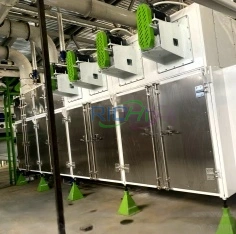
We have designed a mesh belt recirculating dryer specifically for gentle drying of feed pellets or fragile food products. It dries freshly produced, moist feed to a moisture content of 2–10%. This facilitates greater oil absorption during the coating process and extends the feed’s shelf life.
05. Cooling and Screening
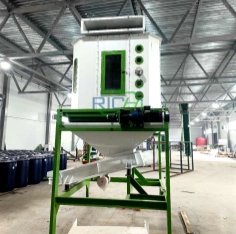
Pellets after oil spraying still retains a relatively high temperature following drying. We have designed a counter-flow cooler specifically for these pellets. Featuring an octagonal structure, a slide-gate discharge system, it can minimize pellet loss. When paired with a vibrating screen, it enhances efficiency.
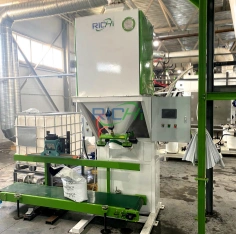
06. Feed Packaging
The packaging section is equipped with a fully automatic granule packaging scale that supports gravity, belt, or auger feeding. The high level of automation in this section further enhances production efficiency and ensures consistent packaging specifications. At the same time, it significantly reduces labor costs.

Key Equipment for Aquatic Feed Pellet plant
The following is the primary equipment configuration for this aquatic feed pellet plant. These components play a vital role in their respective production stages. In addition to these, we also offer other types of equipment for the same stages. They offer the advantages of high efficiency, energy savings, and ease of operation, providing numerous benefits for your aquatic feed production.
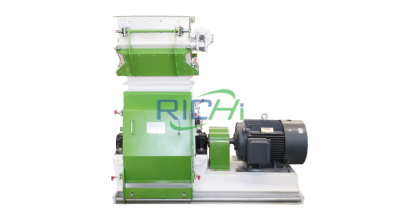
Raw Material Crusher
The hammer mill can crush small-sized grains, such as corn, wheat, oilseed meal, and legumes used in fish feed. The crushed material is reduced to a size of 0.5-20 mm, making it easier to pelletize.
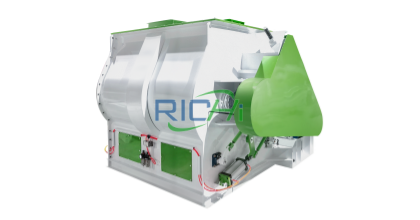
Feed Mixer
It can blend various feed production materials. The mixed ingredients can be extruded into feed pellets with a more uniform texture, thereby ensuring consistent nutritional content in every pellet.
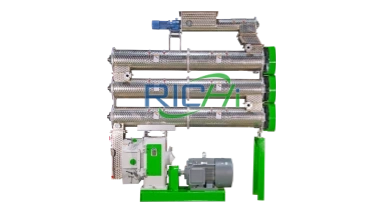
Aquaculture Feed Pellet Mill
This pellet mill is designed for sinking fish and shrimp feed, enabling precise control over pellet density and water resistance. It is typically equipped with two to three conditioning units.
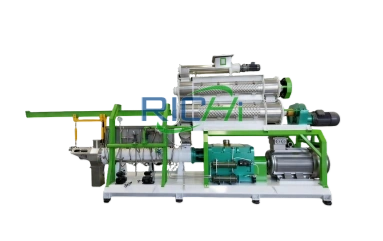
Floating Fish Feed Pellet Machine
This extruder offers both single-screw and twin-screw and can produce floating, sinking, and non-sinking feeds. The feeds balance palatability and water resistance, meeting high-quality standards.
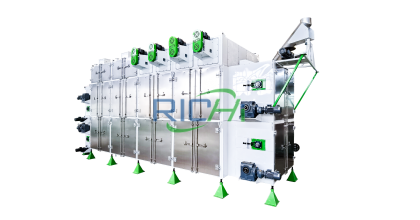
Mesh Belt Dryer
Freshly extruded fish feed pellets can have a moisture content of over 22%. This gentle mesh belt dryer can reduce the moisture content of feed pellets by more than 10%, extending the feed’s shelf life.
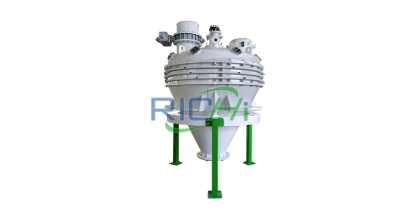
Spraying Machine
It sprays edible oil or attractants onto feed pellets to enhance the palatability. Feed pellets treated with oil spraying have a smoother and more even surface, thereby meeting the high-quality feed needs.
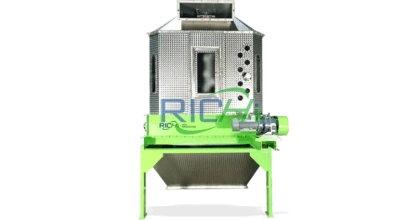
cooling machine
This unit cools and sets the dried feed, lowering its temperature from 80°C to just above room temperatures by 3–5°C.This helps solidify the fats in the feed, facilitating packaging and transportation.
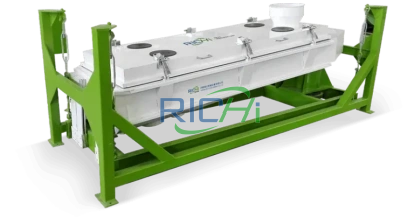
Vibrating Screen
This is a vibrating screen that separates particles into two size grades while removing dust from their surfaces, thereby ensuring consistent particle quality. It is typically assembled with a cooler.
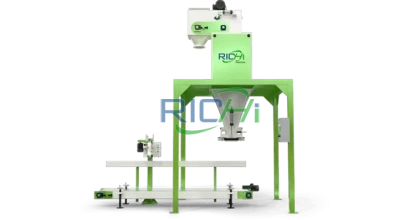
Packaging System
It enables automatic weighing and packaging, facilitating product sales. The packaging size is typically 10 to 50 kg per bag. You can use heat sealing, string sealing, or a combination of both.
global cases
As a leading supplier of pelletizing equipment, our aqua feed manufacturing plant projects span multiple countries and regions worldwide. This allows us to understand the specific conditions in each region, thereby delivering the most suitable solutions. Below are some case studies. Each project is customized to meet the client’s specific needs, ensuring the highest return on investment.
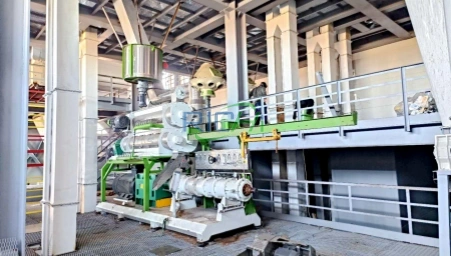

5-6 T/H aquatic feed pellet plant for fish feed in Russia
This project involves an automated floating fish feed production line. The customer required high-end fish feed products, so a twin-screw fish feed extruder was selected. We provided the customer with a customized solution and on-site installation.
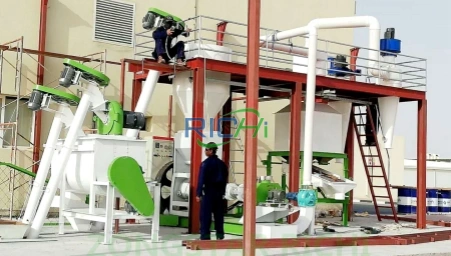

1 T/H aquatic feed plant for fish feed production in Qatar
This flexible shrimp feed plant is equipped with a mixer, a single-screw extruder, and a cooler to meet the requirements of standard feed production. The project features a simple design, easy operation, and excellent cost-effectiveness.
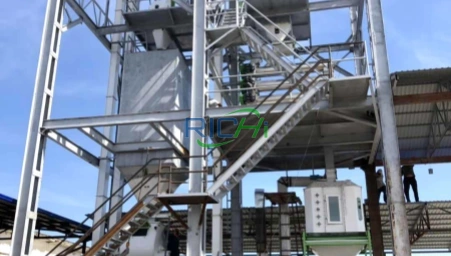

5 T/H Aquafeed Plant for sinking fish feed Project in Uzbekistan
It is a sinking fish feed production project designed to produce feed for freshwater fish such as carp, grass carp, and catfish. The feed pellet machine is equipped with a three-stage conditioner, resulting in feed that is more easily digested and absorbed. The product meets the demands of high-standard.
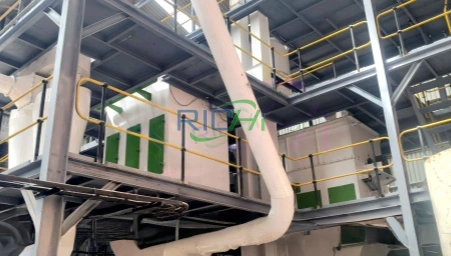

1.5–2 T/H Compound Aquatic Feed pellet Plant in Iran
This is a customized production solution designed to produce 1.5–2 T/H of floating fish feed and 5–6 T/H of shrimp feed. As such, the project includes both a shrimp feed pellet machine and a twin screw fish feed extruder.
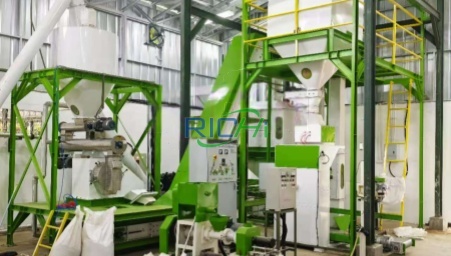

2 T/H aquafeed plant for Shrimp Feed Pellet in Indonesia
This project features a sophisticated production process designed to produce high-quality sinking shrimp feed. The feed exhibits high stability and water resistance and is primarily intended for South American shrimp. The client can flexibly switch between different feed formulations.
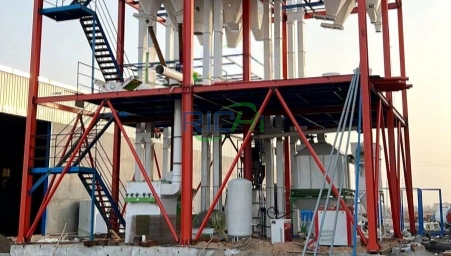

1–1.5 T/H aquatic feed plant for fish feed in Bangladesh
Our client required flexible production line equipment capable of producing both fish and shrimp feed. The project is equipped with a twin screw extrusion machine to handle various feed formulations. The system is capable of producing both floating and sinking feed pellets.
RICHI MACHINERY
About RICHI MACHINERY
RICHI MACHINERY is a leading global manufacturer specializing in feed pellet machines, extruders, wood pellet machines, and biomass pellet equipment. With over 30 years of manufacturing expertise and project experience across more than 140 countries and regions, we offer complete aquatic feed pellet plant equipment sets, engineering design, installation, and turnkey project services to customers worldwide.

Customized Equipment Solution
Tailor-made pelletizing equipment based on raw materials, capacity, formulation, and project goals.

Complete Turnkey Project
Full-process solutions covering plant layout, installation, commissioning, training, and after-sales service.

Full Line & Full Process Supply
One-stop equipment supply from crushing, mixing, pelletizing, cooling, screening to automatic packaging systems.

Global Technical Support
RICHI’s experienced engineers ensure fast installation and long-term stable production.


1
What is the difference between floating and sinking aquatic feed pellet plant?
In order to meet the high requirements of the world market for cost-effective and high-performance fish feed pellets, we specially customize the floating fish feed plant. It is used to press various materials into high-grade floating aquatic feed pellets.
Its production capacity ranges from 0.2 to 10 T/H and above. The main raw materials include fish meal, starch, bone meal, soybean meal, and peanut meal. It is suitable for the production of fish feed for tilapia, eel, catfish, and other species.
Our sinking type fish feed production line is specially designed for manufacturing sinking aquatic feed pellets. Common ingredients include fish meal, starch, bone meal, soybean meal, and peanut meal. It meets the feed requirements for shrimp, salmon, trout, cod, and moai.
2
What is the difference between pelleted and extruded feed?
When making granular aquatic feed (sinking feed pellets), firstly, crush different raw materials with a crusher, and then mix them with a feed mixer machine. The mixed raw materials are semi-finished products of fish or shrimp formula feed. Next is the process of making pellets. The premixed formula feed enters the fish feed pellet making machine, and then the pressing roller and the ring die press out the granules (granules). The diameter dimension of the ring die is the diameter of the feed pellets. The ring dies with different diameters are used when making different sizes of pellet feeds.
When making extruded pellet feed (floating feed pellets), firstly, raw materials are crushed. If the raw material for floating fish feed is powder, it does not need to be crushed. Then mix the powder evenly. After that, the aquatic feed raw materials are uniformly fed into the floating fish feed extrude machine. Under great extrusion pressure and high temperature, the extruded feed pellets will expand when coming out of the floating fish feed extruder machine and become pellets, which can float on the water’s surface.
3
What are the advantages of pellet feed?
As far as production is concerned, pellet feed has a series of advantages, such as low investment cost, high output, low unit production cost, fast return on capital, etc. In addition, compared with the natural food and unprocessed grain feed, pelletized feed is easier to store, package and transport. For fish farmers, the price of pellet feed is low but the feed coefficient is high, which not only makes the main cultured fish (such as grass carp, crucian carp, and carp) grow well but also makes the mixed cultured fish (such as silver carp and perch) grow well.
When making extruded pellet feed (floating feed pellets), firstly, raw materials are crushed. If the raw material for floating fish feed is powder, it does not need to be crushed. Then mix the powder evenly. After that, the aquatic feed raw materials are uniformly fed into the floating fish feed extruding machine. Under great extrusion pressure and high temperature, the extruded feed pellets will expand when coming out of the floating fish feed extruder machine and become pellets, which can float on the water’s surface.
4
How to select the right pelletizing equipment?
A fish feed making machine is a feed processing machine that takes corn, soybean meal, straw, grass, and rice husk as raw materials and directly presses them into pellets after crushing raw materials. It is better suited for the production of conventional sinking aquafeeds.
The twin screw floating fish feed extruder machine has the advantages of strong adaptability, sliding transportation, and self-cleaning. Therefore, a twin-screw floating fish feed extruder machine is generally used in aquatic feed pellet plant or pet feed production, such as eel, sea fish, juvenile fish feed, and other high-added value aquatic products and pet feed pellets.
5
How to produce clean aquaculture feed pellets?
We can incorporate a raw material screening step before the crushing section. Raw materials that do not need to be crushed are input from the auxiliary feeding port, and sundries and bulk materials are removed through the fence and then transported to the main cleaning screen through the conveyor and elevator to remove ropes and large debris. The raw materials enter the magnetic separator to remove the metal debris and then enter the batching warehouse to wait for batching.
The dust generated by the feeding enters the bag-type dust removal system for negative-pressure dust removal. The raw materials to be crushed pass through the fence to remove impurities. The hoist is sent to the main cleaning screen to remove impurities such as ropes and labels. Then the iron impurities are removed by the permanent magnet cylinder and then enter the warehouse for crushing.

