
 +86 14769960951
Vertical Ring Die Pellet Mill
This vertical ring die pellet mill is a highly efficient and energy-saving solution for biomass pellet production. A single unit has a production capacity ranging from 1 to 10 T/H. Featuring an advanced vertical ring die design, it can easily pelletize wood and agricultural waste of various consistencies. We can provide you with customized pellet mills as well as complete production solutions.
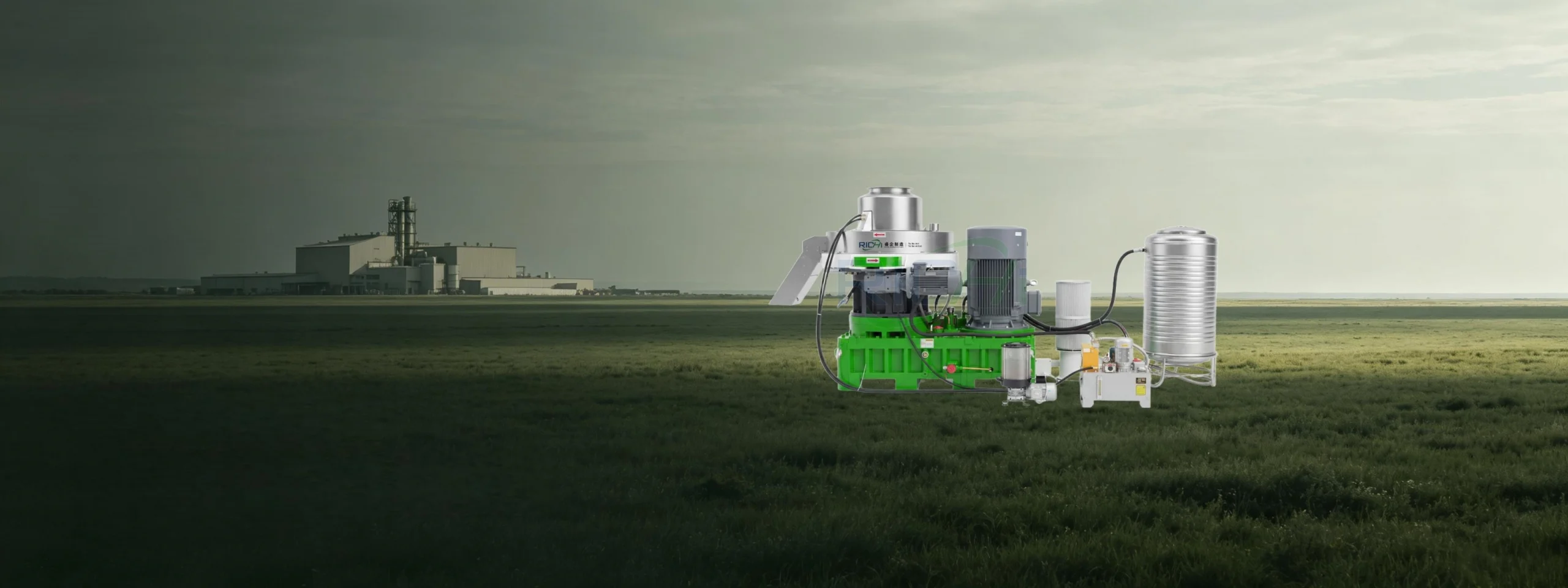

What is the vertical ring die pelletizer?
As an innovative piece of industrial equipment, it combines the advantages of both conventional ring-die and flat-die pelletizers. It features a more scientifically optimized structural design, enabling efficient pelletization of a wider range of biomass raw materials.
Efficient Pelletizing Capability
Standard pellet diameters range from 6 to 12 mm. This equipment supports customization, allowing for pellet diameters between 3 and 16 mm. This is achieved by replacing the ring die with one featuring a different pore size.
Unlike conventional ring-die pelletizers, this machine features a horizontally mounted ring die. This design ensures more uniform raw material distribution and reduces the risk of machine blockages. Combined with a variable-frequency feeding system, it ensures smoother production.
This pelletizer can process hardwoods such as pine, eucalyptus, and poplar, as well as soft materials like rice husks, straw, and palm fiber. It is a key piece of equipment driving the transformation of the biomass pellet industry.
What are your raw materials?
This vertical ring die pellet mill is ideal for processing a wide range of lightweight, poorly pelletizing raw materials. Examples include various types of straw, hay, and crop husks. By evenly distributing the material and utilizing a high-intensity compression system, it easily resolves issues such as low pelletization rates and inconsistent product quality.
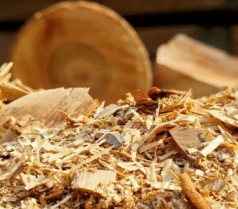
Sawdust
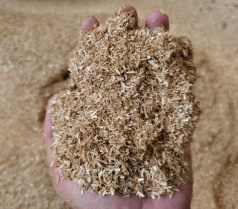
Straw
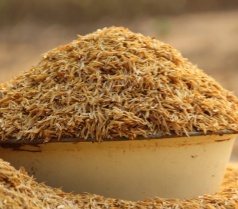
Rice Husk
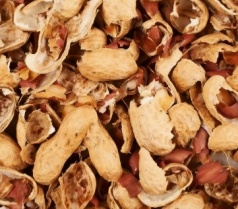
Peanut Shell
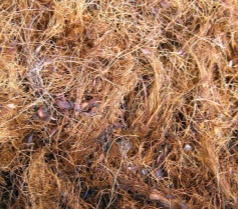
Palm Fiber
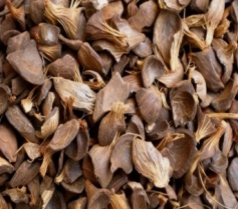
Empty Fruit Bunch
Optimal raw material size and moisture content are key factors in ensuring pellet quality. We offer a wide range of crushers, rotary dryer machine, mesh belt dryer, and mixers to ensure efficient processing raw materials.
Parameter Selection for Vertical Ring Die Pellet Machines
To meet various production capacity requirements, we have designed multiple models of this industrial vertical pellet machine. The specific production capacities are listed below. Different types of raw materials and pellet products require different compression ratios and parameter configurations. Therefore, we can provide customized equipment to meet a wider range of production needs.
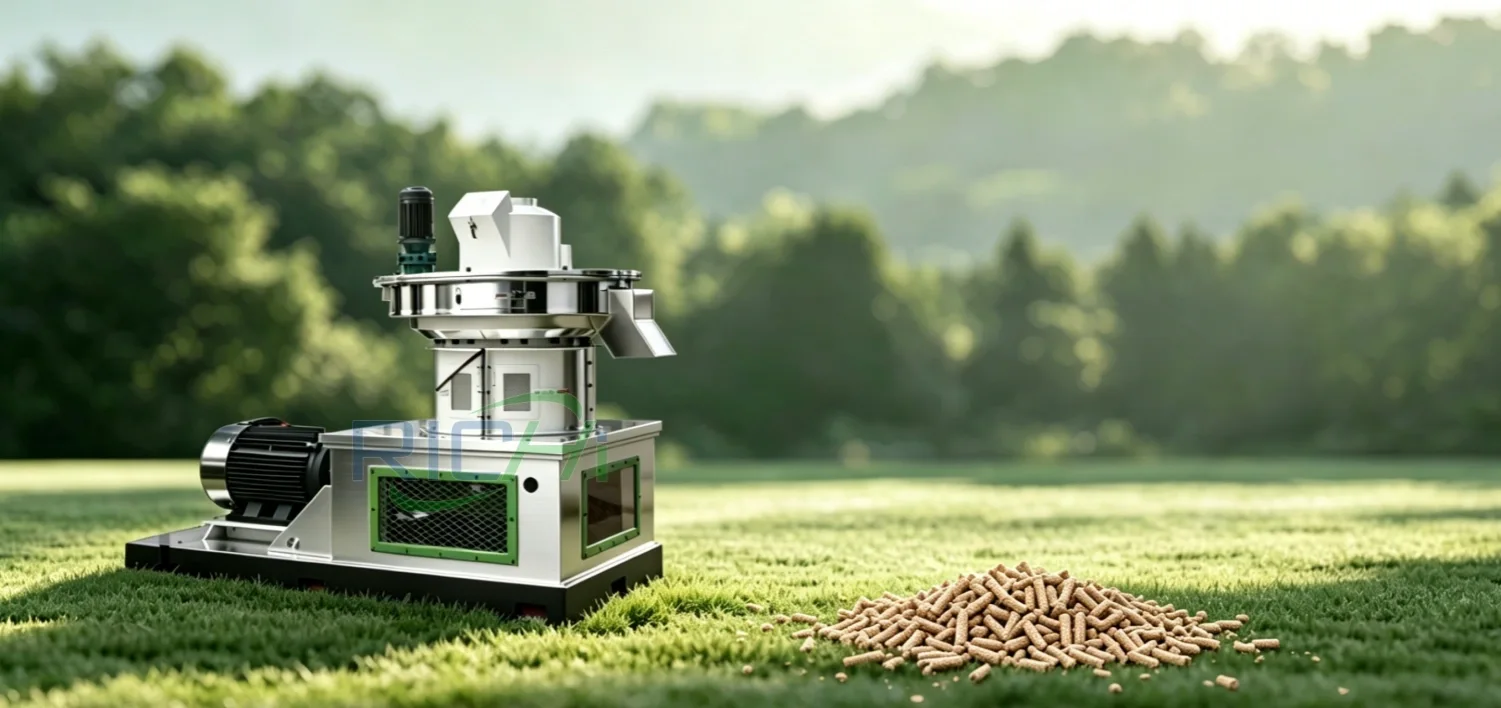
Choosing the Right Model
Capacity: 1-10 T/H
Power: 90-630 KW
Pellet Diameter: 3-16 mm
Suitable Raw Materials: Wood, straw, rice husks, hay, and various types of biomass materials
V-MZLH 560A
V-MZLH 560B
V-MZLH 850A
V-MZLH 850B
V-MZLH 928
V-MZLH 1180
| Model | V-MZLH 560A | V-MZLH 560B | V-MZLH 850A | V-MZLH 850B | V-MZLH 928 | V-MZLH 1180 |
| Power (KW) | 90 | 160 | 220 | 280 | 355 | 630 |
| Capacity (T/H) | 1-1.2 | 1.5-2 | 2.5-3 | 3-4 | 4-5 | 7-10 |
| Pellet Diameter (mm) | 3-16 | |||||
Applications of the Vertical Pellet Mill
Thanks to the vertical ring die design and multi-roll system, it can produce various types of biomass pellets. The high pressure generated by the die easily handles a wide range of low-binding materials, ensuring high-quality pellet production.
By installing a vertical ring die pellet mill, you can meet the production needs for all types of biomass pellets, delivering a high return on investment.
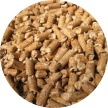
Wood Pellet Production
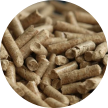
straw Pellet Production
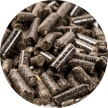
husk Pellet Production
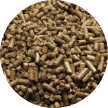
other Biomass Pellets production
Structural Configuration of the Pelletizer
This equipment has been scientifically designed and features an innovative structural configuration and wear-resistant components. Each unit is equipped with a high-performance Siemens motor, ensuring stable operation. The vertical ring die pellet mill utilizes a high-precision gear transmission system with excellent meshing performance. This reduces the failure rate and extends the service life.
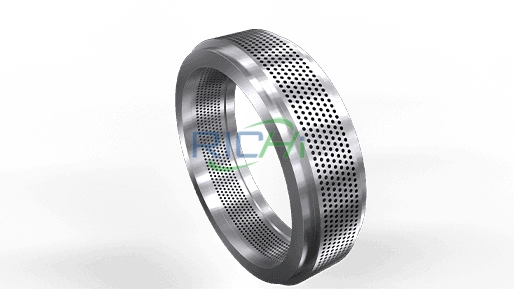
Ring Die
All ring die models are made of alloy steel, offering superior wear resistance and reducing maintenance costs. Additionally, the vertical installation ensures even pressure distribution, minimizes wear, and increases output per unit.
Feed Inlet
This feed inlet is equipped with a variable-frequency drive that allows for adjustment of the feed rate. Powdered material falls vertically into the pelletizer, thereby preventing lightweight materials from bridging and accumulating. These features facilitate smooth feeding and increase output per unit.
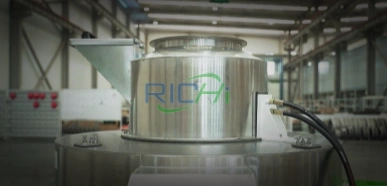
Pressure Rollers
The rollers provides enhanced compression and heating effects, resulting in superior pelletization. The rotation of the rollers ensures more uniform material distribution, preventing material buildup in the die.
Discharge Port
The formed pellets fall naturally through this port for easy collection. The enlarged discharge port design ensures smooth, clog-free discharge, facilitating subsequent cooling and packaging.
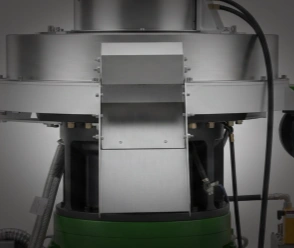
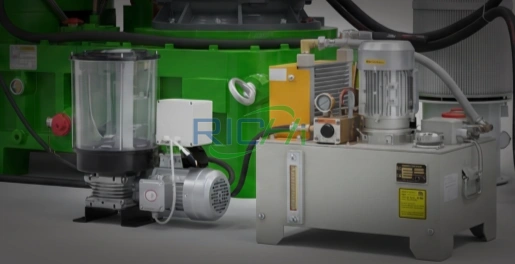
Lubrication System
This system automatically lubricates the main shaft, preventing unnecessary wear and enabling 24-hour efficient operation. It also effectively prevents grease from deteriorating due to high temperatures, thereby protecting the main shaft and bearings and extending their service life.
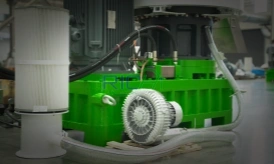
Dust Collection System
It captures dust generated during the pelletizing process, helping to maintain a clean production environment. The collected dust can be reused for secondary pelletizing.
Key Advantages of the Vertical Ring Die Pellet Mill
This equipment is an optimized and upgraded version of the ring die pellet mill, offering a more convenient and efficient solution for biomass pellet production. It features higher output per unit and consistent production capacity. We offer a variety of models and configurations to meet diverse biomass pellet processing needs.
High Capacity
Thanks to vertical feeding, uniform compression, and high forming capacity, this equipment achieves a higher output. This advantage makes it suitable for medium- to large-scale biomass pellet plants, delivering a high return on investment.
Wider Application
The machine’s powerful pelletizing system can accommodate a wide variety of raw materials, making it suitable for producing diverse types of pellets. It can be used to pelletize various types of fuel, ensuring consistent results.
Stable Performance
The horizontally mounted ring die and multi-roll system distribute pressure evenly, resulting in compact pellets with a uniform texture. The finished pellets have a higher calorific value and more consistent quality, meeting the demands of high-standard markets.
Easier Maintenance
The vertical design improves feed flow and reduces the risk of machine jams. The ring die experiences more uniform stress, which reduces wear and extends service life. We provide lifting equipment for large-sized ring dies.
Poultry project
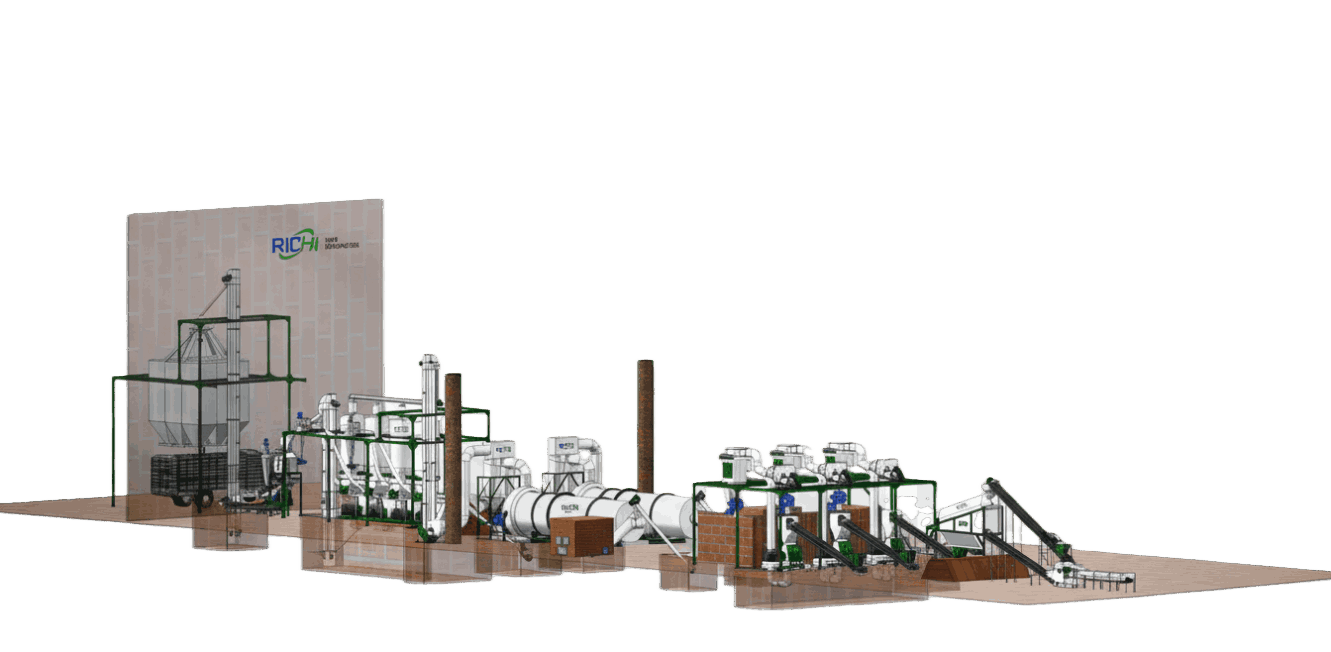
For large-scale pellet production, we offer turnkey project services. This solution covers the entire production process, from raw material processing to pellet packaging. Specific configurations vary depending on the solution; please feel free to contact us with your production requirements.
Complete Biomass Pellet Solution
In addition to vertical ring die pellet mill, we can also provide complete production line solutions. This production line includes a full set of equipment, enabling the complete production of biomass pellets. It offers production capacities ranging from 1 to 40 T/H and above, including turnkey project services. We will provide a suitable process configuration based on your production needs.
Global Cases
Our pelletizing equipment has been successfully deployed in over 140 countries and regions worldwide. We understand the specific conditions in most of these markets, enabling us to provide the most suitable production solutions. These solutions not only streamline production but also deliver a high return on investment.
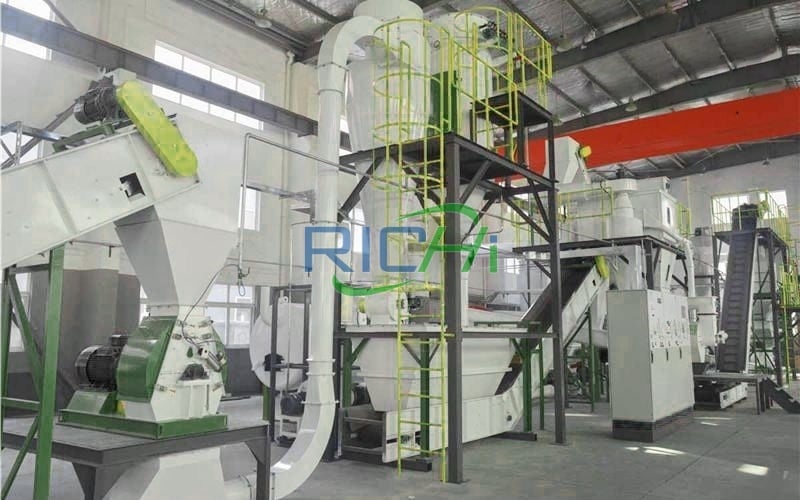
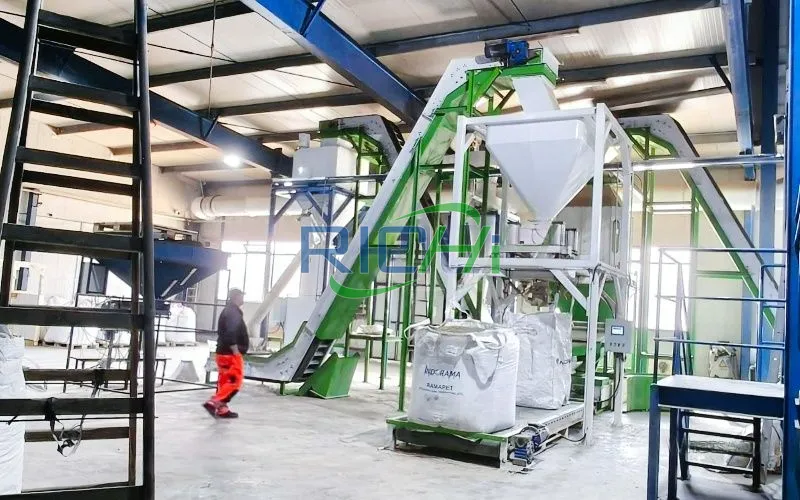
3-4 T/H Vertical ring die Pellet Mill for Sale in Poland
The client is a biomass pellet plant that needs to produce high-quality wood pellet products. The required pellet size is 6 mm in diameter, suitable for industrial boilers or residential heating. Since the raw material has low moisture content, no drying system is required. This project has delivered an ideal return on investment for the client.
·Raw Materials: Pine, spruce, wood processing waste
·Main Equipment: Wood chipper, sawdust hammer mill, vertical biomass pellet mill, pellet cooler, pellet vibrating screen, baling scale, and others.
1.8–2 T/H Vertical ring die Pellet machine for Sale in Indonesia
The client is an oil palm processing plant that needs to process large quantities of palm waste into biomass pellets. We provided a high-performance pellet mill capable of handling various mixed raw materials for pelletization. The final pellet product has a diameter of 6 mm. This wood pellet production line perfectly addresses the issue of resource waste.
·Raw Materials: Palm fiber, empty fruit bunches, palm shells
·Main Equipment: Multi-functional wood chipper, vertical pelletizer, pellet cooler, screener, baling system, and other wood pellet manufacturing equipment.
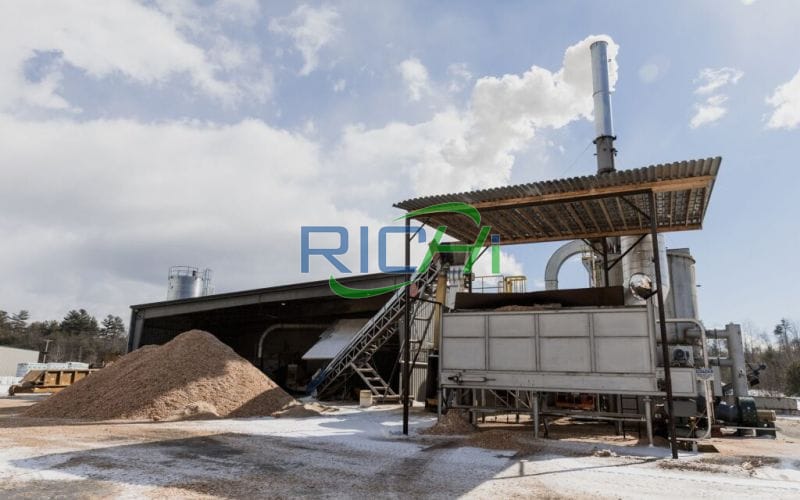
10 T/H Vertical ring die Pellet Mill machine for Sale in USA
The client has substantial forestry waste resources and needs to produce biomass fuel that meets export standards. The pellet product requires a diameter of 6–8 mm, necessitating the use of ring dies of various sizes. This solution features a high level of automation. High-quality, efficient production is achieved through the coordinated operation of multiple pellet mills.
·Raw Materials: Wood chips, sawdust, logs, forestry waste
·Main Equipment: Wood chipper, wood chip hammer mill, sawdust dryer, vertical pellet making machine, screen, baling system, and others.
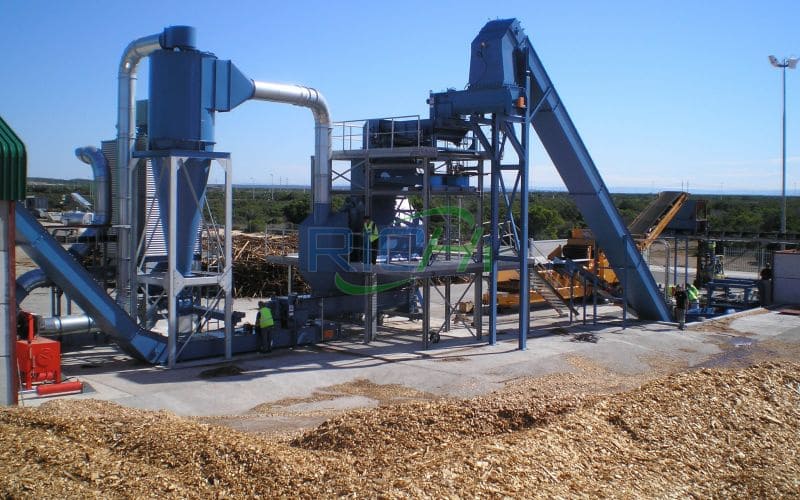
5-6 T/H Vertical Pellet Mill for Sale in Vietnam
This customer produces high-quality wood pellet fuel for export. To meet these high-quality requirements, we provided a complete automated production line. The raw material utilization rate exceeds 90%, significantly reducing production costs. The pellets have a diameter of 6–8 mm and feature high hardness and calorific value.
·Customer Raw Materials: Wood chips, wood processing offcuts
·Main Equipment: Wood chip crusher, sawdust dryer, vertical ring die pelletizer, cooler, screen, baler, and others.
RICHI MACHINERY
why choose RICHI?
RICHI MACHINERY is a leading global vertical pellet machine manufacturer. With over 30 years of manufacturing expertise and project experience across more than 140 countries and regions, we offer complete equipment sets, engineering design, installation, and turnkey project services to customers worldwide.

Customized Equipment Solution
Tailor-made pelletizing equipment based on raw materials, capacity, formulation, and project goals.

Complete Turnkey Project
Full-process solutions covering plant layout, installation, commissioning, training, and after-sales service.

Full Line & Full Process Supply
One-stop equipment supply from crushing, mixing, drying, pelletizing, cooling, screening to automatic packaging systems.

Global Technical Support
RICHI’s experienced engineers ensure fast installation and long-term stable production.

Frequently Asked Questions
With years of experience in customer service, we offer free consultations on production solutions. Below are answers to common questions about this vertical ring die pellet press. In addition to these, feel free to contact us at any time with your inquiries. We will provide the most suitable production solution based on your needs.
–
What are the differences between this vertical ring die pellet mill and the horizontal die type?
The structure is different. In horizontal die pellet mills, the ring die is mounted vertically, which can easily lead to uneven distribution of force between the material and the ring die. In this machine, the ring die is mounted horizontally and relies on gravity for feeding. This design allows the material to be distributed more evenly across the ring die, resulting in better pelletizing performance.
The output capacity differs. Horizontal die pelletizers are suitable for basic-level pellet production. This equipment is a high-capacity industrial-grade machine, making it more suitable for large-scale pellet plants and pellet manufacturers.
The performance differs. This equipment utilizes an alloy ring die and roller system. Its installation method is more scientifically designed, reducing wear rates. Consequently, it offers a longer service life and more stable performance.
–
Does this pellet mill have any requirements regarding the moisture content of the raw material?
The optimal moisture content for pelletizing is approximately 15%–18%. This is determined by the need to achieve the best pellet structure and forming results. Therefore, maintaining an appropriate moisture range is key to ensuring production efficiency. For materials with high moisture content that are difficult to pelletize, we offer high-efficiency drying equipment.
–
Is the operating cost of this vertical ring die pellet mill high?
Generally speaking, the operating cost of equipment is related to energy consumption. Our equipment is designed for high efficiency and energy savings. It maximizes raw material utilization, translating low energy consumption into high production performance.
Furthermore, the equipment’s wear parts are made of a wear-resistant alloy. This material reduces maintenance costs and extends the service life of components. Its automated production capabilities also significantly reduce labor costs and improve the return on investment.
–
What are the steps in a complete pellet production process? What equipment is required for each step?
A biomass pellet production line includes the following basic process steps. The final configuration may vary depending on the customer’s raw materials and production requirements.
- Crushing System: By installing one or more crushers, this stage reduces raw materials of various sizes into a powdery consistency of 3–5 mm, which improves the forming rate.
- Drying System: For raw materials with a moisture content exceeding 18%, we provide dryers. This stage reduces the moisture content of the pulverized powder to an appropriate range.
- Pelletizing System: By installing ring dies with different pore sizes, this system enables the production of pellets in various sizes. For large-scale production lines, multiple pelletizers are typically configured to operate simultaneously.
- Cooling System: Granules formed through the pelletizing process undergo rapid setting via a counter-current cooler. The temperature of the cooled granules does not exceed room temperature by more than 3–5°C. A screening machine is typically integrated to work in conjunction with this system.
- Packaging System: This highly automated section integrates granule weighing and packaging into a single process. We offer various packaging options, including heat sealing, wire stitching, and hybrid solutions.

