
 +86 14769960951
Biomass Pellet Project Cost
Different Types of Biomass Pellet Projects
We offer various types of biomass pellet projects. Our equipment can efficiently pelletize raw materials such as wood chips, grass, straw, and husks. Pellet products include high-quality fuel pellets, animal feed, pet bedding, and more. These innovative machines are highly efficient and energy-saving, offering a higher return on investment. The biomass pellet project cost is for the complete set of equipment and does not include any other services.
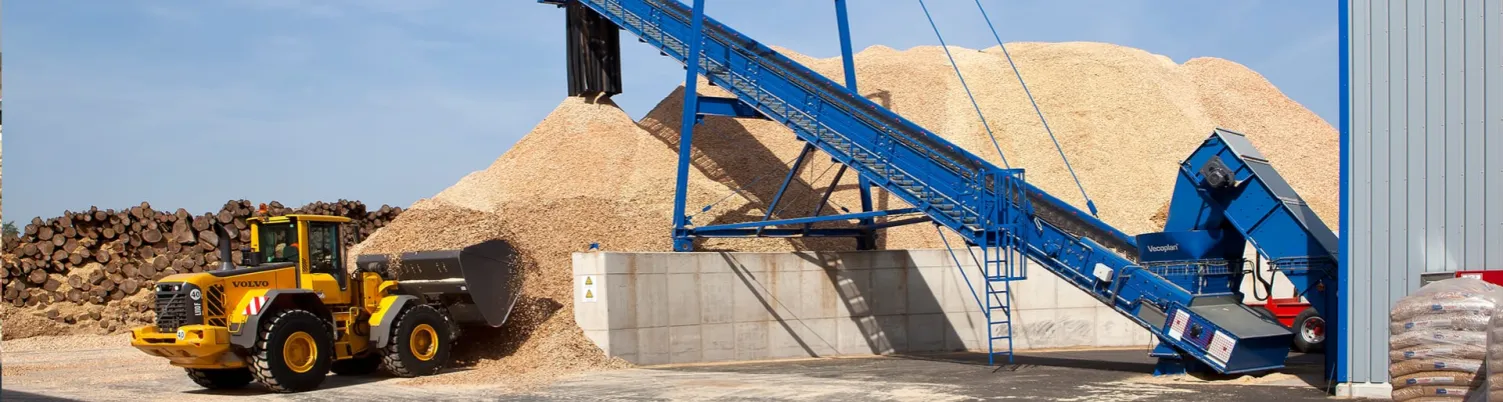
wood pellet plant cost
Capacity: 0.2–24 T/H and above
Investment: $20,000–$2,100,000 and above
This line efficiently processes various types of wood and turns them into high-calorific-value wood pellets. The pellets have a diameter of 4–12 mm, and their length can reach 4–5 times the diameter. The wood pellet mill is the core piece of equipment in this project. Due to the diversity of wood raw materials, multiple crushing and drying units are typically required. Examples include wood chipper, wood chip hammer mill and wood chip dryer.
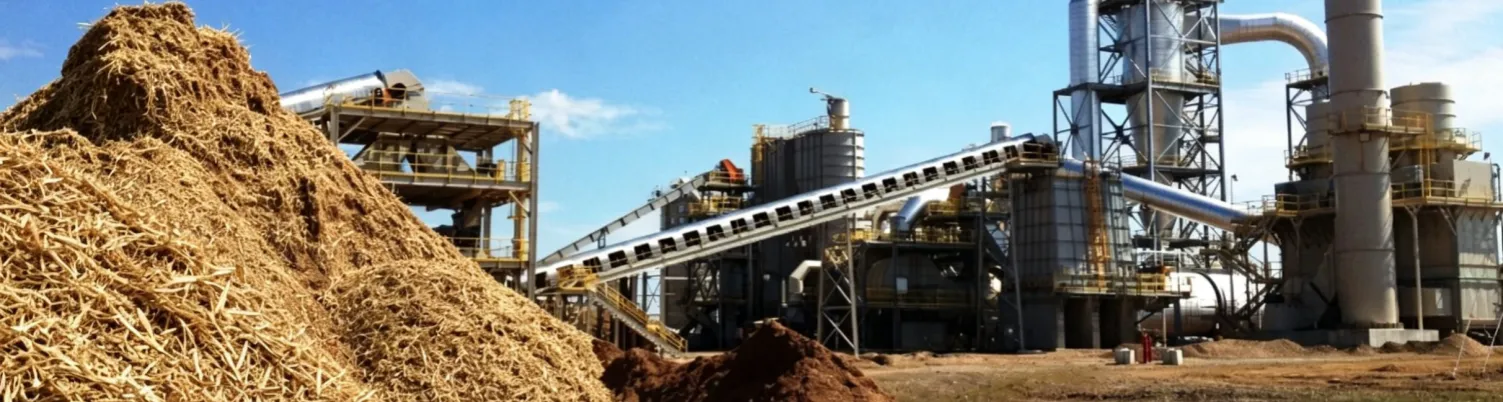
straw Pellet plant price
Capacity: 0.2–24 T/H and above
Investment: $20,000–$2,100,000 and above
The production system is specifically designed to process crop straw with high fiber content, as well as agricultural waste such as sugarcane bagasse and corn cobs. It is equipped with highly efficient crushing and drying systems, enabling efficient end-to-end production from straw bales to high-quality pellets. For feed pelletization, the straw pellet mill can be configured with a conditioner to facilitate the production of high-quality feed.
grass pellet plant price
Capacity: 0.3–20 T/H and above
Investment: $37,000–$620,000 and above
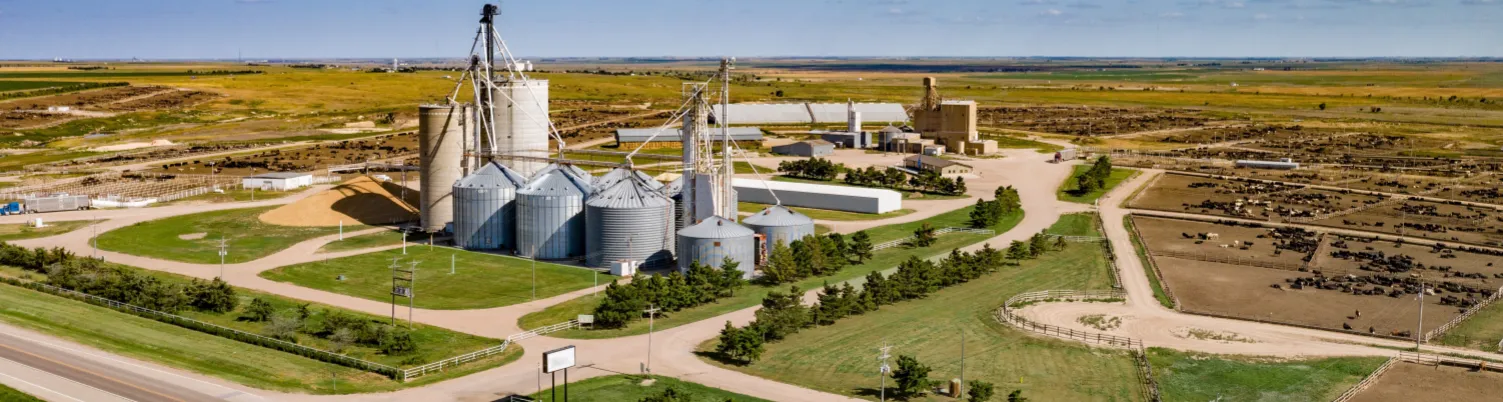
This price applies to a grass feed pellet production system. We offer two types of grass pellet solutions. The price for the grass pellet fuel production line is comparable to that of other solutions. To meet the production needs for high-quality silage pellets, this line will be equipped with specialized crushing, mixing, and pelletizing equipment. It can produce palatable, easily digestible feed pellets or high-quality grass pellet fuel.
husk Pellet plant cost
Capacity: 0.2–24 T/H and above
Investment: $20,000–$2,100,000 and above
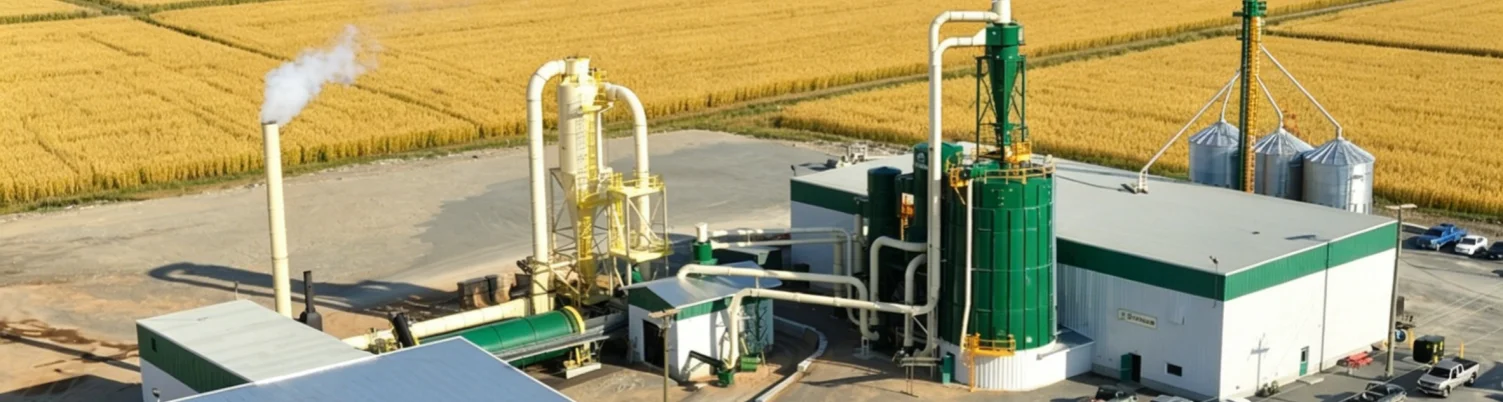
Our husk pellet project is designed for a wide range of agricultural and biomass husks, including common types such as rice husks, sunflower seed husks, peanut husks, and even hard coffee husks, as well as fiber-rich materials like coconut husks and EFB. The system also supports the co-pelletizing of mixed raw materials to enhance pellet quality. This husk pelletizer can also be equipped with a conditioner upon request.
Basic Components of a Biomass Pellet Project
This production plan features a scientifically designed process flow, which helps improve production efficiency. Below is the process flow based on standard raw materials. Additionally, we can flexibly adjust the process configuration according to your specific raw materials, helping you reduce unnecessary biomass pellet project cost.
Design
crushing system
The ideal particle size for biomass raw materials is within 3–5 mm. Materials within this range do not require a dedicated drying section. We have designed specialized crusher for different types of raw materials, enabling a full-process crushing solution from large-sized pieces to powder.
Design
drying system
Raw materials meeting pelletizing standards should have a moisture content between 15% and 18%. Materials within this range do not require a drying section. We offer a range of drying equipment, including drum dryers and mesh belt dryers, to meet the various drying requirements.
Design
pelletizing system
This process segment is the core component and accounts for the majority of the biomass pellet project cost. We offer wood chip pellet machine, sawdust pellet machine, alfalfa pellet mill, straw pelletizers, and more to meet your high-output and high-quality pelletizing needs.
Design
cooling system
Finished pellets require cooling and setting to facilitate subsequent packaging and transportation. This step helps stabilize the pellet structure. Our counter-current cooler features an octagonal design, which significantly reduces pellet breakage and ensures product quality and production capacity.
Design
screening system
This production line is ideal for wood pellet plants, grass pellet plants, and straw pellet plants that require finished products for sale. We have designed a variety of pellet screening units and offer custom-made screens. This production line enables the separation of pellets of different sizes, as well as powder.
Design
packaging system
Implementing this section significantly improves pellet packaging efficiency and ensures consistent packaging specifications. The fully automatic packaging scale greatly reduces labor costs. It also supports various packaging methods, including heat sealing, string sealing, and hybrid sealing.
Global Cases
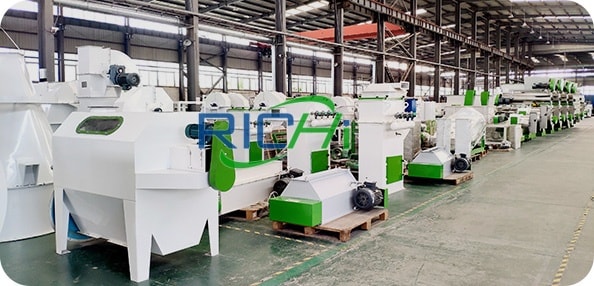
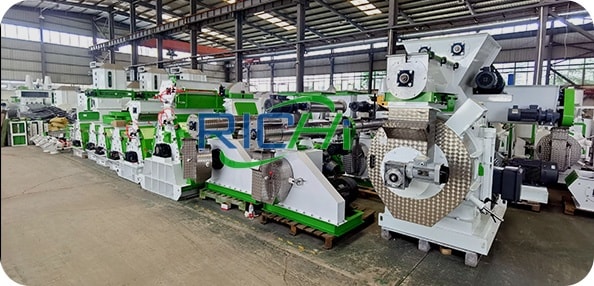
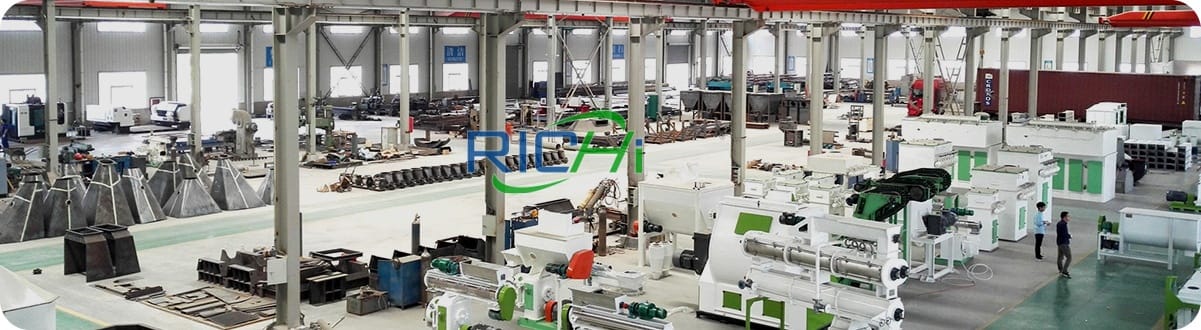
RICHI Machinery biomass pellet projects span over 150 countries and regions worldwide. These include the individual equipment supply, various production solutions and turnkey projects. The following project configurations and investment amounts are provided for your reference. Whatever solution you choose, you can expect high-quality production results.
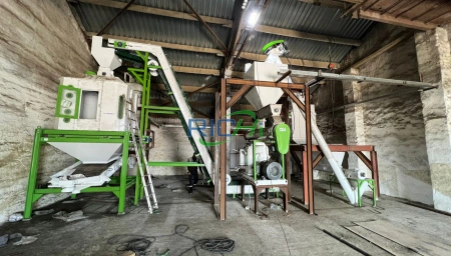

5 T/H Sunflower Seed Pellet project in Kazakhstan
Project Investment: $160,000
The pellet mill included in this solution is equipped with a conditioner to help customers produce high-quality feed pellets. We also provide mixers and other equipment, delivering excellent production results for our customers.
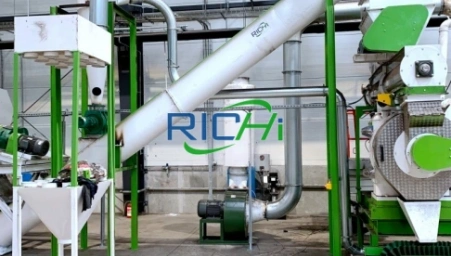

2 T/H grass feed pellet project in Argentina
Project Investment: $40,000
Our client required a simple pellet production system to supply feed pellets for daily use. We provided a production solution featuring high-efficiency and energy-efficient design, meeting the daily needs of this dairy farm.
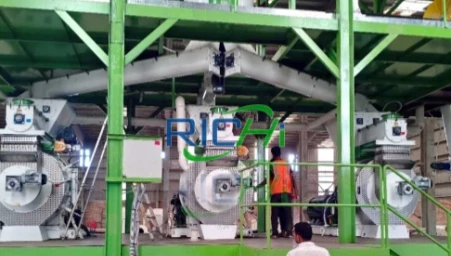

20 T/H Wood Pellet Plant in Bangladesh
Project Investment: $500,000
This project requires the production of high-quality 6–8 mm fuel pellets. Given the on-site constraints and the need for high production capacity, our team developed a customized production line solution for the client.
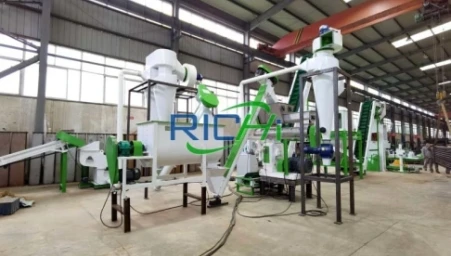

3-4 T/H Wheat Straw Pellet plant in South Africa
Project Investment: $95,000
For this project, we supplied the client with equipment for producing wheat straw pellets. The pellets are primarily used for feeding ruminants. This solution is a customized production line that fully meets the client’s needs.
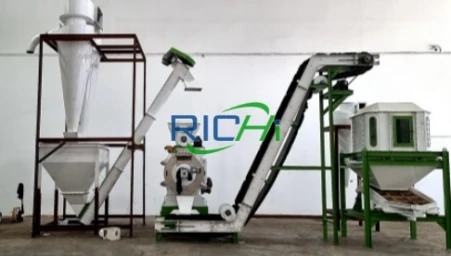

2 T/H sawdust Pellet project in Singapore
Project Investment: $50,000
Our client in Singapore requires a flexible biomass sawdust pellet production line. The raw materials for this system are wood chips and waste wood. Therefore, in addition to the pellet mill, the system also includes crushing equipment.
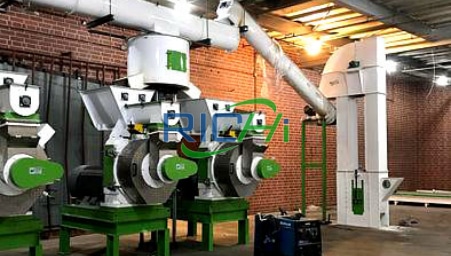

10 T/H biomass Wood Pellet plant Project in USA
Project Investment: $280,000
This biomass pellet project cost is relatively high. We provide a turnkey solution that covers the entire process configuration and project construction. The project utilizes multiple pieces of equipment operating in parallel, further enhancing efficiency.
Different configurations of the biomass pellet project
Another factor affecting the biomass pellet project cost is the level of equipment configuration. We offer a variety of configuration options, including basic, simplified, standard, and high-end configurations. The higher the configuration level of the production line, the higher the price—but it also offers a higher return on investment.
automation levels
For the convenience of our customers, we offer production line solutions with varying levels of automation. These include semi-automated and fully automated lines. Semi-automated lines require a lower initial investment and are suitable for small-scale and flexible pellet production. Fully automated biomass pellet plants involve a higher cost, making them ideal for medium-to-high production capacity. They are particularly well-suited for pellet manufacturers looking to reduce labor costs and improve production efficiency.
Turnkey Solution
If you need help with planning and implementing your production line project, our comprehensive turnkey solution could be the answer. This covers everything from planning to production launch. All you need to do is wait for the production process to begin. The biomass pellet plant cost we provide covers the price of all equipment and does not include project services. Therefore, the final price of the turnkey solution will depend on the actual scope of the project.
Frequently Asked Questions
We understand your concerns when selecting a biomass pellet project. Therefore, we not only offer standard recommendations, but can also address any additional questions you may have. If you need an accurate quote, please feel free to contact us with your production requirements.
+
What factors influence the biomass pellet plant cost?
There are many factors that influence the investment cost of this project. The most significant of these is the type of raw material. To meet pelletizing requirements, raw materials should be within 3–5 mm in size and have a moisture content of 15–18%. If these parameters are exceeded, a grinding system and drying equipment must be installed, which will significantly increase the investment cost.
Other factors include target production capacity, automation level, equipment configuration, customization requirements, and whether turnkey services are needed. By providing this information, we will provide you with the most reasonable quote.
+
Do different raw materials have a significant impact on the biomass pellet project cost?
Generally, different types of raw materials require different processing methods. For example, while both sawdust and logs are wood-based materials, sawdust does not require crushing or drying, whereas logs require a complete raw material processing line.
Additionally, some raw materials have undergone industrial processing and often contain impurities. Therefore, a cleaning and screening system must be installed. Selecting the appropriate raw materials can significantly reduce the cost of biomass pellet production.
+
What is the payback period for this biomass pellet project price?
There are many factors that influence the payback period, such as raw material supply, market demand, and sales channels. Generally, assuming normal project operations and sales, the project can break even within 1 to 3 years. Large-scale production lines typically break even faster, usually within 1 to 2 years.

